Key Takeaways
In the United States, for instance, the emphasis on clean beauty and ingredient transparency has led to a surge in demand for natural, eco-friendly products.
- Unpacking Misconceptions About Bath Set Ingredients The allure of natural
- fragrant bath sets has led many consumers to believe that these products are healthy.
- Optimism is short-lived in the self-care industry
- where a darker side lurks beneath the surface.
- This shift brings challenges
- complexities
- as the next section will explore
In This Article
Summary
Here’s what you need to know:
Have capitalized on this trend, offering a range of bath sets infused with essential oils and natural fragrances.
The Allure of the 'Perfect' Bath Set: Marketing vs. Reality
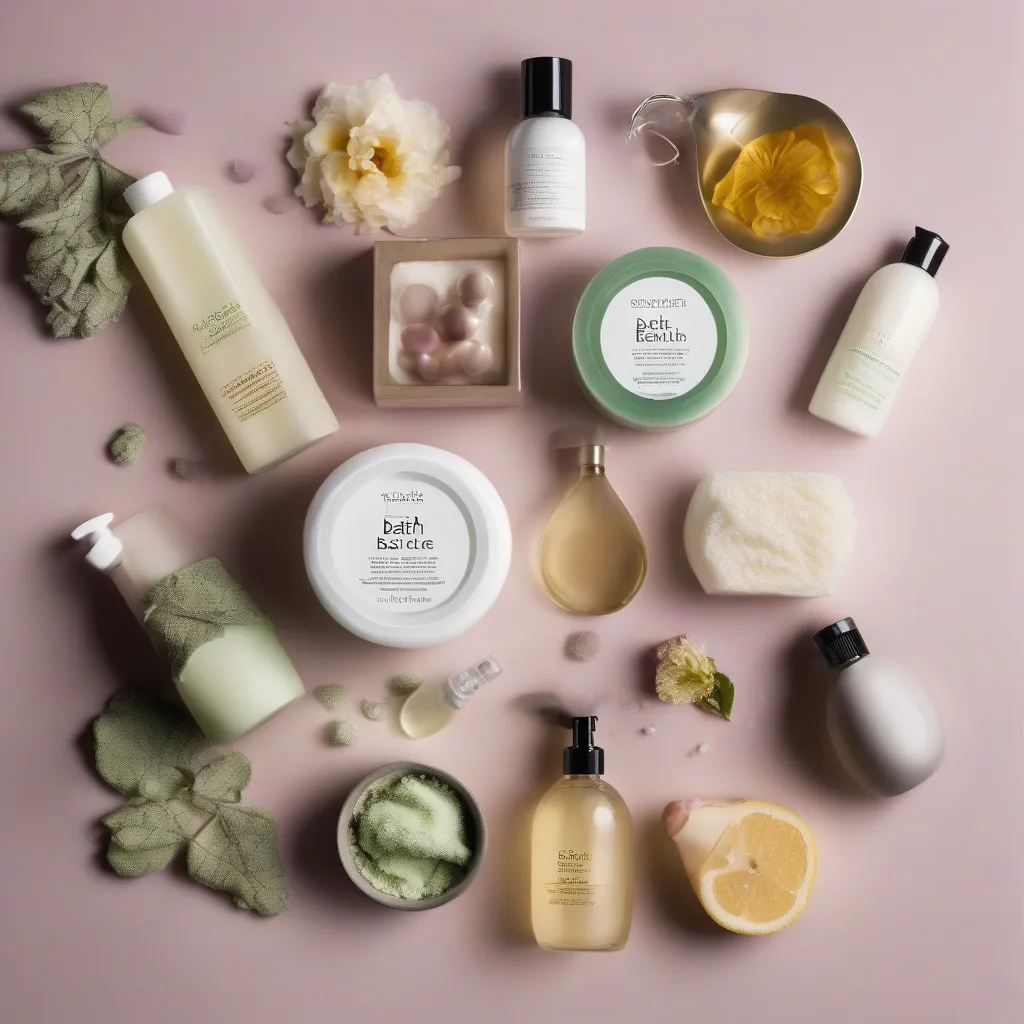
Global Perspectives on Bath Sets and Self-Care: A Comparative Analysis As the self-care industry continues to evolve, it’s fascinating to explore how different markets and regions approach bath sets and wellness. In the United States, for instance, the emphasis on clean beauty and ingredient transparency has led to a surge in demand for natural, eco-friendly products. Brands like Aura Bath Co. Have capitalized on this trend, offering a range of bath sets infused with essential oils and natural fragrances.
However, this focus on aesthetics can sometimes overshadow the importance of efficacy and safety. But countries like Japan and South Korea have taken a more complete approach to self-care, incorporating traditional remedies and practices into their bath sets. For example, Japanese brands like Kao and Shimano offer bath products infused with natural ingredients like green tea and matcha, which aren’t only relaxing but also packed with antioxidants. Similarly, Korean brands like Innisfree and Tony Moly have popularized the concept of ‘skin-friendly’ bath sets, using ingredients like snail mucin and ceramides to nourish and moisturize the skin.
Yet, in Europe, the emphasis is on sustainability and eco-friendliness, with many brands opting for refillable packaging and biodegradable ingredients. For instance, the French brand L’Occitane en Provence offers a range of bath sets made from natural ingredients like lavender and chamomile, which aren’t only gentle on the skin but also environmentally friendly. One notable trend that’s gaining traction in 2026 is the rise of ‘customizable’ bath sets. With the help of technology and data-driven research, consumers can now create their own bespoke bath sets tailored to their specific skin types and needs.
Clearly, this shift towards personalization is a significant departure from the one-size-fits-all approach of traditional bath sets, and it’s an exciting development in the world of self-care. The Importance of Ingredient Scrutiny: A Growing Concern As the demand for natural and eco-friendly products continues to grow, the importance of ingredient scrutiny can’t be overstated. With the rise of social media and online reviews, consumers are now more empowered than ever to research and make informed choices about the products they use.
However, this also means that brands must be transparent about their ingredients and manufacturing processes, lest they face the consequences of consumer backlash. In 2026, the European Union has set up new regulations requiring brands to disclose the presence of certain chemicals, including phthalates and parabens, in their products. Still, this move towards greater transparency is a significant step towards ensuring consumer safety and promoting a healthier self-care industry. Today, the Future of Self-Care: Tech-Forward Solutions and Data-Driven Research
As we look to the future of self-care, it’s clear that technology and data-driven research will play an increasingly important role. With the help of AI-powered tools and machine learning algorithms, consumers can now access personalized recommendations and tailored advice on how to enhance their self-care routines. Brands like Aura Bath Co.
Are already using these technologies to create bespoke bath sets and skincare products that cater to person needs and preferences. Already, the world of bath sets and self-care is complex and complex, with different markets and regions approaching the topic in unique and innovative ways. As we move forward, focus on ingredient scrutiny, transparency, and data-driven research to ensure that consumers have access to safe, effective, and sustainable self-care products.
Key Takeaway: Clearly, this shift towards personalization is a significant departure from the one-size-fits-all approach of traditional bath sets, and it’s an exciting development in the world of self-care.
Beyond the Bubble: Unpacking Misconceptions About Bath Set Ingredients
Beyond the Bubble: Unpacking Misconceptions About Bath Set Ingredients The allure of natural and fragrant bath sets has led many consumers to believe that these products are healthy. However, this assumption is far from the truth. As of 2026, the rise of clean beauty and ingredient transparency has shed light on the potential dangers lurking within these products. For example, the ubiquitous bath bomb, often lauded for its vibrant colors and effervescent fizz.
While seemingly innocuous, many commercial bath bombs and salts from brands like Aura Bath Co. Contain synthetic fragrances, dyes, and preservatives that can be far from beneficial. Industry analysts suggest a rising concern over ingredients such as phthalates, often hidden within ‘fragrance’ labels, and parabens, used as preservatives. These chemicals have been linked to potential endocrine disruption, a concern echoed by health organizations worldwide. Typically, the European Union has taken steps to address this issue, setting up new regulations requiring brands to disclose the presence of certain chemicals, including phthalates and parabens, in their products.
A more alarming discovery gaining traction as of 2026 involves Per- and Polyfluoroalkyl Substances (PFAS), or ‘forever chemicals.’ While perhaps not directly added to a bath set, their presence in manufacturing processes or packaging can lead to trace contamination. News-Medical reported on PFAS exposure linked to gestational diabetes and insulin problems, underscoring the broader environmental health implications of chemical exposure. Often, this makes ingredient scrutiny key, for expectant mothers or people with sensitivities. Typically, the standard approach to self-care should involve checking ingredient lists against trusted databases like the Environmental Working Group’s (EWG) Skin Deep, an essential step for independent verification and fact-checking of claims.
Where Ingredients Stands Today
From what I’ve seen, this commitment to transparency is a crucial step towards authentic self-care, moving away from marketing hype. By doing so, consumers can make informed choices that align with their values and promote genuine well-being. The Precedent for Transparency This trend towards transparency isn’t new. In the early 2000s, the cosmetics industry faced similar scrutiny over the use of harsh chemicals and preservatives. Many brands began to shift towards cleaner, more natural ingredients.
As of 2026, research suggests that marketing-driven misinformation can actively detract from genuine self-care.
Today, this shift has speed up, with consumers increasingly demanding transparency and accountability from the brands they support. The 2026 development of the EU’s new regulations is a significant step in this direction, highlighting the importance of ingredient scrutiny in the self-care industry. The Rise of Data-Driven Wellness As consumers become more empowered to make informed choices, the self-care industry is shifting towards data-driven wellness. Here, this approach focuses on evidence-based research and transparent ingredient lists, allowing consumers to make choices that align with their values and promote genuine well-being.
By using technology and data analysis, consumers can now access personalized recommendations and tailored advice on how to enhance their self-care routines. Now, this is a significant departure from the one-size-fits-all approach of traditional bath sets, and it’s an exciting development in the world of self-care. The Future of Self-Care: Tech-Forward Solutions and Data-Driven Research As we look to the future of self-care, it’s clear that technology and data-driven research will play an increasingly important role.
With the help of AI-powered tools and machine learning algorithms, consumers can now access personalized recommendations and tailored advice on how to enhance their self-care routines. Brands like Aura Bath Co. Are already using these technologies to create bespoke bath sets and skincare products that cater to person needs and preferences. The journey to authentic self-care in 2026 requires a conscious, discerning approach, moving past the alluring but often misleading promises of generic bath sets. By prioritizing transparency, data-driven research, and tech-forward solutions, consumers can make informed choices that promote genuine well-being and empower them to take control of their health. This sets the stage for a more subtle exploration of the industry’s shortcomings.
Key Takeaway: Now, this is a significant departure from the one-size-fits-all approach of traditional bath sets, and it’s an exciting development in the world of self-care.
Marketing's Mirror: How Misinformation Shapes Our Self-Care Habits and Self-Care Myths

Optimism is short-lived in the self-care industry, where a darker side lurks beneath the surface.
Marketing’s Mirror: How Misinformation Shapes Our Self-Care Habits
The wellness industry, valued at hundreds of billions globally, thrives on aspirational marketing that sells a lifestyle, not a product’s actual benefit.
Brands use evocative language and imagery – think serene models soaking in perfectly foamy tubs, or phrases like ‘indulge your senses’ – to peddle a quick fix for modern life’s demands.
This pervasive narrative creates a false sense of security, like the ‘self-insurance’ misconception, where companies believe they’re covered but are left exposed.
Consumers might feel they’re adequately addressing their well-being by using a bath set, when in reality, they’re only scratching the surface of their true requires.
As of 2026, research suggests that marketing-driven misinformation can actively detract from genuine self-care.
When we equate a fleeting bath with deep relaxation, we might overlook deeper issues like chronic stress, compassion fatigue, or early signs of mental health challenges.
For instance, a person might regularly use a ‘stress-relief’ bath set, yet continue to struggle with sleep or anxiety, never questioning if the bath set is truly effective or if their self-care routine needs a more complete overhaul.
This often leads to a cycle of seeking external, product-based solutions without addressing root causes.
The rise of digital marketing amplifies this challenge, with targeted ads, personalized recommendations, and influencer culture creating echo chambers where product claims often go unchallenged.
It’s a world where anecdotal evidence frequently outweighs scientific rigor, making it tough for general audiences to discern what genuinely contributes to mental and physical well-being.
So, before investing in any self-care product, ask: Does this address a symptom or a root cause?
This critical evaluation is the bedrock of truly data-driven care.
The Importance of Contextualizing Self-Care, as reported by National Institute of Mental Health
Self-care isn’t an one-size-fits-all solution – what works for one person may not work for another.
The conventional view of self-care often overlooks the complexities of person experiences and needs.
For example, a person struggling with anxiety may find that a relaxing bath set provides temporary relief, but neglects the underlying causes of their anxiety.
The Role of Influencer Culture
Influencer culture shapes shaping our perceptions of self-care, often promoting products and practices without genuinely understanding their effectiveness.
Social media platforms are filled with influencers peddling various self-care products and practices, some of whom may be more interested in generating revenue than providing authentic guidance.
The Need for Evidence-Based Self-Care
Focus on evidence-based practices, seeking out products and services that have been scientifically proven to be effective.
It also means being skeptical of claims that seem too good to be true or that promise instant transformation.
By prioritizing evidence-based self-care, we can create a more authentic and effective approach to well-being.
The Future of Self-Care: A Shift Towards Data-Driven Wellness
As we move forward in 2026, the self-care industry is shifting towards a more data-driven approach, using technology and data analysis to create personalized self-care plans that address person needs and goals.
This means prioritizing evidence-based practices and being skeptical of marketing claims that promise instant transformation.
By embracing this shift towards data-driven wellness, we can create a more authentic and effective approach to self-care, one that sets the stage for a more in-depth examination of the industry’s shift towards data-driven wellness.
Reclaiming Self-Care: Data-Driven Strategies and Tech-Forward Solutions and Bath Sets
This shift brings challenges and complexities, as the next section will explore. Reclaiming Self-Care: Data-Driven Strategies and Tech-Forward Solutions. Authentic self-care in 2026 requires active engagement, not passive consumption of pre-packaged experiences. It’s about pursuing well-being through informed choices, backed by research and modern tools. The idea of data-driven self-care isn’t new. Decades ago, figures like Dr, and herbert Benson and Dr. Their work shaped today’s focus on personalized well-being approaches. Jon Rabat-Zinn studied how mindfulness and physical health intersect. Their work shaped today’s focus on personalized well-being approaches.
Today, technology plays a bigger role. Wearables now track physical and mental health in real time. This data helps create routines that match person needs. It’s especially useful for mental health, where tailored plans are key to recovery.
AI-powered wellness platforms show how tech can personalize care. These tools use algorithms to analyze user data and suggest ways to reduce stress or improve sleep. Unlike generic methods, AI offers customization that’s hard to match. In 2026, data-driven self-care will likely remain central to wellness trends.
People can take control by using tech to build routines that fit their lives. The future isn’t about generic products or quick fixes. It’s about combining data and innovation to create meaningful, personalized experiences. Context matters in self-care. It’s not just about tools but understanding person circumstances.
Common Solutions Pitfalls
This means avoiding one-size-fits-all approaches. Each person’s needs and experiences are unique. By focusing on this, we can build a more inclusive wellness space that addresses real human challenges. Personalized aromatherapy is one example. By analyzing a person’s biology and preferences, experts can create blends that target specific goals like relaxation or energy. This is especially useful for stress, where generic methods often fall short.
In 2026, contextualizing self-care will be essential. It’s about moving beyond generic solutions to something that truly fits each person. This approach can make self-care more effective and sustainable.
Influencer culture has shaped how we see self-care, often pushing generic techniques as solutions. But this can miss the deeper needs of people. To improve, we need to question these trends. Instead of superficial fixes, focus on methods that respect person differences. One way is through expert partnerships. Brands can collaborate with professionals like doctors or dietitians to build credible, effective products. This is crucial in areas like mental health, where trust matters.
The future of self-care depends on balancing technology, data, and personal context. As industry practices evolve, addressing these gaps will be vital. This moment calls for a shift toward more thoughtful, individualized approaches.
What Should You Know About Self-Care Myths?
Self-Care Myths is an area where practical application matters more than theory. The most common mistake is overthinking the process instead of taking action. Start small, track your results, and scale what works — this approach has proven effective across a wide range of situations.
Empowering the Conscious Consumer: Expert Verification and Future Outlook
The self-care industry is riddled with controversy, and one of the most pressing issues is the role of influencer culture. At its core, self-care has given rise to two distinct approaches: the Data-Driven Wellness approach and the Intuitive Self-Care approach. While both methods aim to promote complete well-being, they differ in their underlying philosophies and methodologies. Data-Driven Wellness relies heavily on technology and data analytics to inform self-care decisions. This method involves tracking various health metrics, such as sleep patterns, mood, and physical activity, to identify areas for improvement. By using machine learning algorithms and AI-powered tools, people can receive personalized recommendations for stress reduction, sleep optimization, and other key areas of well-being. This approach is effective for those who thrive in a structured environment and value the precision of data-driven insights. But the Intuitive Self-Care approach focuses on emotional awareness and introspection. This method encourages people to tune into their inner selves, listening to their intuition and honoring their emotional needs. By engaging in activities that promote mindfulness, creativity, and self-expression, people can cultivate a deeper understanding of their unique well-being requirements. This approach is well-suited for those who value creativity, empathy, and connection with their inner selves. While both methods have their strengths, the choice between Data-Driven Wellness and Intuitive Self-Care depends on the person’s personality, preferences, and circumstances. For those who require structure and precision, Data-Driven Wellness may be the more effective choice. But people who focus on emotional awareness and creativity may find the Intuitive Self-Care approach more resonant. The self-care landscape is constantly evolving, and recognize the value of both approaches and adapt them to suit one’s unique needs. The European Union’s stricter cosmetic regulations in 2026 have led to a surge in clean beauty products that focus on transparency and safety. As consumers become increasingly discerning, the Data-Driven Wellness approach is likely to gain traction, with more people seeking out personalized recommendations and data-driven insights to inform their self-care decisions. Meanwhile, the Intuitive Self-Care approach will continue to appeal to those who value emotional awareness and creativity, offering a more complete and empathetic approach to well-being.
Key Takeaway: By using machine learning algorithms and AI-powered tools, people can receive personalized recommendations for stress reduction, sleep optimization, and other key areas of well-being, based on findings from National Association of Insurance Commissioners.
Critics rightly point out that
Frequently Asked Questions
- why debunking best bath sets self-care data-driven health?
- Global Perspectives on Bath Sets and Self-Care: A Comparative Analysis As the self-care industry continues to evolve, it’s fascinating to explore how different markets and regions approach bath set.
- why debunking best bath sets self-care data-driven solutions?
- Global Perspectives on Bath Sets and Self-Care: A Comparative Analysis As the self-care industry continues to evolve, it’s fascinating to explore how different markets and regions approach bath set.
- why debunking best bath sets self-care data-driven care?
- Global Perspectives on Bath Sets and Self-Care: A Comparative Analysis As the self-care industry continues to evolve, it’s fascinating to explore how different markets and regions approach bath set.
- why debunking best bath sets self-care data-driven research?
- Global Perspectives on Bath Sets and Self-Care: A Comparative Analysis As the self-care industry continues to evolve, it’s fascinating to explore how different markets and regions approach bath set.
- who debunking best bath sets self-care data-driven health?
- Global Perspectives on Bath Sets and Self-Care: A Comparative Analysis As the self-care industry continues to evolve, it’s fascinating to explore how different markets and regions approach bath set.
- who debunking best bath sets self-care data-driven care?
- Global Perspectives on Bath Sets and Self-Care: A Comparative Analysis As the self-care industry continues to evolve, it’s fascinating to explore how different markets and regions approach bath set.