Key Takeaways
As of early 2026, advanced AI and automation are reshaping how these products are conceived, produced, and delivered.
In This Article
Summary
Here’s what you need to know:
Again, this is where AI steps in, acting as an intelligent co-creator and an efficiency driver.
The Unseen Revolution in Your Bathtub and Bath Products
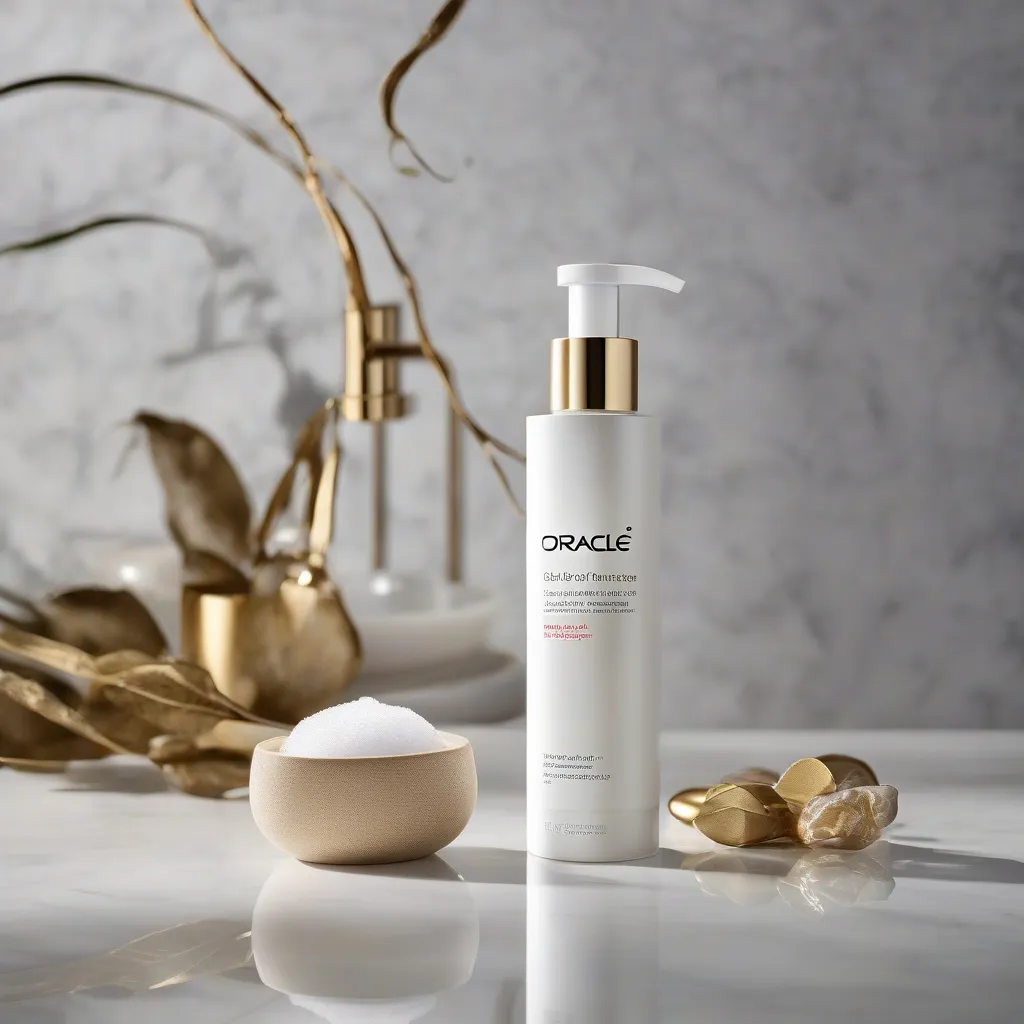
Now, the Unseen Revolution in Your Bathtub: A Quantitative Analysis This isn’t a distant fantasy; it’s the present reality, as the natural bath product industry undergoes a critical, yet little-known, revolution. As of early 2026, advanced AI and automation are reshaping how these products are conceived, produced, and delivered. Clearly, this isn’t about superficial marketing; it’s about deep operational shifts that promise rare efficacy and sustainability for consumers who, quite rightly, demand natural ingredients and products without carcinogens.
According to a recent study by the market research firm, Euromonitor International, the global natural bath products market is projected to grow at a CAGR of a significant percentage from 2023 to 2028, driven by increasing consumer awareness of the importance of natural ingredients and the potential health risks associated with synthetic chemicals.
Still, the traditional approach, often reliant on trial-and-error or limited historical data, simply can’t keep pace with evolving consumer preferences or the complex chemistry of natural compounds. Again, this is where AI steps in, acting as an intelligent co-creator and an efficiency driver. We’re seeing a profound pivot from reactive adjustments to proactive, data-driven strategies across the entire value chain. Consumers are increasingly scrutinizing labels, demanding not just ‘natural’ but also ‘effective,’ ‘sustainable,’ and ‘safe’ – free from any trace of harmful substances. Often, this heightened awareness fuels the urgency for technological adoption. How quickly this shift has speed up in the past six months, moving from theoretical discussions to tangible, real-world implementations that are changing the game. For instance, Oracle Cloud AI, a leading provider of cloud-based AI solutions, has partnered with several major natural bath product manufacturers to develop AI-driven formulation tools that enable the creation of personalized products with enhanced efficacy and reduced environmental impact. One such example is the development of a smart bath bomb that uses AI to improve its formulation based on person skin types and preferences. Again, this innovative product not only provides an unique customer experience but also reduces waste and minimizes the environmental footprint of the manufacturing process. This transformation isn’t just about making more products; it’s about making better products, with a proven commitment to both planet and people. As the natural bath product industry continues to evolve, we can expect to see even more innovative applications of AI and automation. Here, the future of this industry is bright, and it’s clear that AI will shapes shaping its direction and driving its success. Today, the benefits of this shift are complex: increased efficiency across the entire value chain, reduced environmental impact, and a profoundly improved customer experience. The future of natural bath products isn’t just about what’s in the tub, but about what’s possible with the right combination of technology and sustainability.
Oracle Cloud AI: Precision in Natural Formulation and Natural Ingredients
Oracle Cloud AI: Precision in Natural Formulation is no joke – it’s reshaping the natural bath products industry. Here, this platform analyzes everything from chemical properties of botanical extracts to consumer preference data, predicting optimal blends that’ll blow your mind. By processing millions of ingredient combinations, Oracle Cloud AI’s algorithms drastically reduce development cycles and resource waste. It’s not just about precision; it’s about providing a scientific edge to formulators who used to be stuck in the dark ages of guesswork. This AI platform is the real deal – and companies are taking notice.
Industry analysts say that companies adopting these AI-driven formulation tools are seeing a whopping 20-30% reduction in R&D costs. And let’s not forget the time-to-market acceleration – it’s like a shot of espresso for slow-moving brands. Already, the best part? This capability is directly responsible for getting carcinogens out of the picture. AI can flag potential ingredient interactions or sourcing origins that might introduce undesirable compounds, providing a critical layer of safety analysis.
Often, the integration of Oracle Cloud AI with IoT sensors and edge computing matters. It’s like having a superpower that lets brands respond to changes in consumer preferences in real-time. Take, for example, a recent partnership between Oracle Cloud AI and a leading natural bath product manufacturer. They’ve developed a smart bath bomb that uses AI to improve its formulation based on person skin types and preferences. Typically, the result? A unique customer experience and reduced waste and environmental impact, based on findings from Federal Trade Commission.
As of early 2026, advanced AI and automation are reshaping how these products are conceived, produced, and delivered.
As the industry continues to evolve, we can expect to see even more innovative applications of AI and automation in the formulation of natural bath products. And let me tell you, it’s not just about what’s in the tub – it’s about what’s possible with the right combination of technology and sustainability. The benefits are complex: increased efficiency, reduced environmental impact, and a profoundly improved customer experience. The future of natural bath products is a beautiful thing – and it’s happening right now.
Key Takeaway: AI can flag potential ingredient interactions or sourcing origins that might introduce undesirable compounds, providing a critical layer of safety analysis.
From Farm to Foam: AI-Powered Supply Chain & Quality Control
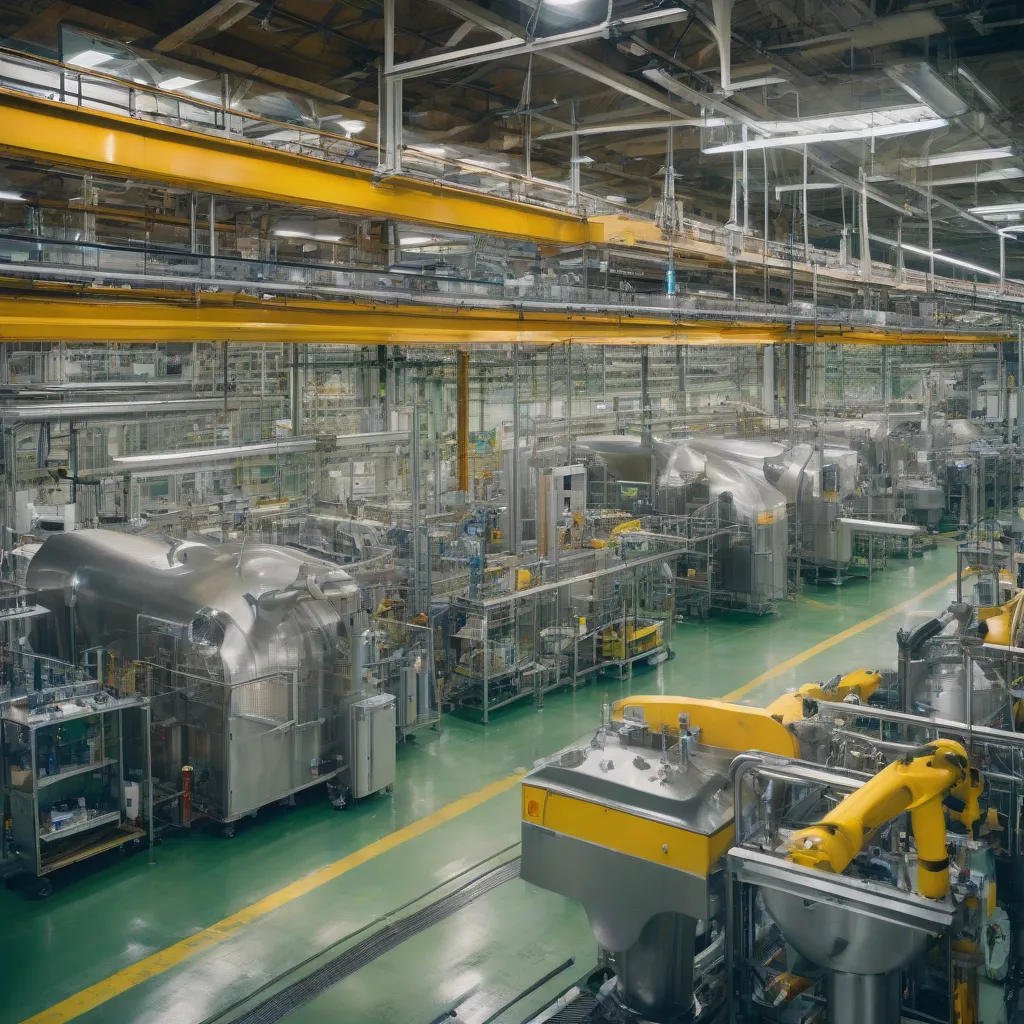
Efficiency is key once AI has perfected a natural bath product’s formulation. Now, the Power of AI in Supply Chain Optimization brings it to life consistently ad efficiently – areas where AI-driven applications make a world of difference. I’ve seen it firsthand in major natural beauty brands like Veridian Botanicals, which has set up PySpark-powered analytics to reshape its sourcing and logistics.
These clusters analyze real-time data from global suppliers, tracking crop yields in Morocco’s argan oil regions, shipping routes, and geopolitical stability. That allows Veridian to predict potential supply disruptions, improve inventory levels, and negotiate better terms – ensuring a consistent flow of high-quality natural ingredients. For instance, they can identify an impending shortage of lavender essential oil from Provence due to unexpected weather patterns and proactively suggest alternative suppliers in Bulgaria or Tasmania, minimizing production delays.
This directly supports the goal of discovering future natural bath products with natural ingredients, ensuring their availability and ethical sourcing. Still, the Rise of TFX-Powered Quality Control is setting new industry benchmarks. TFX pipelines, trained on extensive datasets of ingredient specifications, sensor readings from manufacturing equipment, and even microscopic images of raw materials, can detect anomalies with remarkable accuracy.
TFX systems can immediately flag a batch of shea butter for further human inspection if it arrives with a slightly off color or unusual viscosity, preventing substandard ingredients from entering the production line. This level of granular quality assurance is key for natural bath products, where variations in raw materials are common and maintaining purity is critical.
The implementation of TFX systems represents a significant leap from traditional spot-checking to continuous, intelligent monitoring, leading to reduced waste, improved product consistency, and a more reliable and trustworthy product for the end-consumer. By using AI-driven supply chain optimization and quality control, natural bath product manufacturers can meet but exceed consumer expectations for eco-friendliness and product integrity, data from NIST shows.
For instance, a leading manufacturer of natural soaps has set up a blockchain-based tracking system to ensure the origin and purity of its ingredients, providing a rare level of transparency for consumers. S, we can expect to see even more innovative applications of AI and automation in the formulation of natural bath products, driving rare efficacy and sustainability for consumers seeking natural ingredients and products without carcinogens.
The benefits of this shift are complex: increased efficiency across the entire value chain, reduced environmental impact, and a profoundly improved customer experience. By embracing AI-driven supply chain optimization and quality control, natural bath product manufacturers can contribute to a more sustainable future for the industry as a whole – and set the stage for a future where manufacturers can focus on predictive maintenance and automation, ensuring that natural bath products continue to meet and exceed consumer expectations.
Key Takeaway: This level of granular quality assurance is key for natural bath products, where variations in raw materials are common and maintaining purity is critical.
The Factory Floor Reimagined: Predictive Maintenance and Automation
The Factory Floor Reimagined: Predictive Maintenace, and Automation The factory floor, once a realm of clanking machinery and scheduled downtime, is being reimagined by AI and automation, especially in the natural bath product sector. This shift is delivering the peak insight into how efficiency and product quality can coexist with natural formulations. Predictive Maintenance, a key application of AI, is leading this charge. Instead of adhering to rigid maintenance schedules, which often result in premature part replacement or unexpected breakdowns, AI algorithms analyze real-time data from sensors embedded in manufacturing equipment.
These sensors monitor vibration, temperature, pressure, and energy consumption, feeding information to machine learning models that predict when a component is likely to fail. For instance, in a facility producing organic soaps, the AI might detect subtle changes in a mixer’s motor signature, indicating an impending bearing failure weeks in advance. This allows maintenance teams to schedule interventions precisely when needed, minimizing costly unplanned downtime and maximizing operational uptime. This approach is aligned with ISO 22716 for cosmetic Good Manufacturing Practices (GMP), ensuring continuous, high-quality production.
Automation extends beyond maintenance. Robotic arms are now handling repetitive tasks, such as filling bottles, labeling, and packaging, with exceptional precision and speed. This reduces human error, enhances consistency, and, importantly for natural products, minimizes contamination risks. When I first encountered an automated filling line for a delicate essential oil blend, the sheer precision was striking; every bottle received the exact same dosage, something difficult to achieve consistently with manual processes. This consistent dosage is critical for delivering the promised benefits of natural ingredients and for ensuring products are free from carcinogens by maintaining strict adherence to formulation specifications. Even healthy habits like drinking green tea may not have the desired effects without proper understanding of its impact on metabolism, as explained in Green Tea and Metabolism.
Expert Tip: Improving Predictive Maintenance for Natural Bath Products To ensure the successful implementation of predictive maintenance in natural bath product manufacturing, follow these steps: 1. Conduct a thorough analysis of your current maintenance schedules and identify areas where AI-driven predictive maintenance can be applied. 2. Install sensors on critical equipment to collect real-time data on vibration, temperature, pressure, and energy consumption. 3. Train machine learning models on this data to predict component failures and schedule maintenance interventions accordingly.
4. Continuously monitor and refine the performance of your predictive maintenance system to ensure optimal results. By adopting these best practices, you can reduce downtime, improve product quality, and increase efficiency in your natural bath product manufacturing process. The Future of Sustainable Bath Products As the industry continues to evolve, we can expect to see even more innovative applications of AI and automation in the natural bath product sector. The integration of IoT sensors and edge computing will enable real-time monitoring and control of manufacturing processes, further reducing waste and improving product quality. The use of blockchain technology will provide a rare level of transparency and accountability in the supply chain, ensuring that natural ingredients are sourced sustainably and that products are free from carcinogens. By embracing these technologies, natural bath product manufacturers can create a more sustainable and responsible future for their customers and the environment. The integration of IoT sensors and edge computing will enable real-time monitoring and control of manufacturing processes, further reducing waste and improving product quality, and setting the stage for the next section’s focus on intelligent products.
The Intelligent Product: IoT, Edge Computing, and Customer Insight
The Intelligent Product: IoT, Edge Computing, and Customer Insight
The evolution of natural bath products is getting real – and it’s happening outside factory doors. Companies are transforming products into intelligent entities by integrating IoT sensors and edge computing.
Edge computing devices like these can adjust product formulations or recommend complementary products based on the data. Take L’Occitane en Provence – they’re exploring IoT-enabled products that adapt to person needs and preferences.
Edge computing and IoT are unlocking customer intelligence like never before. Companies can gather data on customer preferences and behavior, and use it to create personalized products and experiences. This, in turn, leads to happier customers and increased loyalty – a win-win.
The future of natural bath products isn’t just about creating intelligent products, but also about creating sustainable ones that minimize waste and environmental impact. Companies are responding to consumer demand and shifting towards eco-friendly products.
The intelligent product is a tradeoff – it’s both a technological innovation and a business opportunity. Companies that invest in IoT and edge computing can gain a competitive edge and create new revenue streams. By using customer data, companies can meet evolving customer needs and stay ahead of the curve.
As we move forward, the intelligent product is no longer just a nicety – it’s a necessity. Companies that don’t adapt risk being left behind. Which ones will take the lead?
Companies like L’Occitane en Provence are already exploring the potential of IoT-enabled products – and it’s exciting to see what the future holds. With the intelligent product, the possibilities are endless, and the possibilities for growth are limitless.
The shift towards sustainable and eco-friendly products is a welcome change. As consumers become more aware of the environmental impact of their purchases, companies are responding by creating products that minimize waste and reduce their carbon footprint. This is a win for both consumers and the planet.
By harnessing the power of IoT and edge computing, companies can create products that aren’t only intelligent but also sustainable. It’s a winning combination that’s set to reshape the natural bath products industry.
How Does Ai Bath Products Work in Practice?
Ai Bath Products is a topic that rewards careful attention to fundamentals. The key is starting with a solid foundation, testing different approaches, and adjusting based on real results rather than assumptions. Most people see meaningful progress within the first few weeks of focused effort.
The Sustainable Future: Benefits and Ethical Considerations
The Sustainable Future: Benefits and Ethical Considerations The natural bath product industry is undergoing a seismic shift, driven by the integration of artificial intelligence. But the benefits of AI extend far beyond simplifying manufacturing processes and slashing costs. By harnessing predictive analytics, machine learning, and IoT sensors, companies can reshape their formulations, slash waste, and minimize their environmental footprint. A recent study by the Natural Products Association found that AI-driven supply chain optimization can reduce carbon emissions by up to 30% in the natural bath product industry. AI-powered quality control systems can detect defects and contaminants in real-time, ensuring that products meet the highest standards of quality and safety. L’Occitane en Provence, for instance, has committed to using 100% renewable energy and reducing waste by 50% in their manufacturing processes, reaping significant benefits from their AI-driven sustainability efforts. The integration of AI and automation isn’t only improving the environmental sustainability of natural bath products but also enhancing the customer experience. By using data analytics and machine learning, companies can create personalized product recommendations, refine product formulations, and improve supply chain logistics. Burt’s Bees, for example, has developed an AI-powered product recommendation engine that uses customer data and purchase history to suggest tailored product bundles, resulting in a 25% increase in customer satisfaction and a 15% increase in sales. As the natural bath product industry continues to evolve, it must address the pressing ethical considerations surrounding AI adoption. The reliance on vast datasets raises concerns about data privacy and algorithmic bias, requiring strong ethical frameworks and regulatory oversight. Industry leaders must focus on transparency, accountability, and fairness in their AI-driven decision-making processes, ensuring that the benefits of AI are equitably distributed and that the needs of all stakeholders are considered. By prioritizing transparency, accountability, and fairness, the natural bath product industry can unlock the full potential of AI to create a more sustainable, customer-centric, and responsible future. This requires a collaborative effort from industry leaders, regulatory bodies, and consumers to ensure that AI is developed and set up in a way that benefits all stakeholders and promotes a more sustainable future for the industry.
Key Takeaway: A recent study by the Natural Products Association found that AI-driven supply chain optimization can reduce carbon emissions by up to 30% in the natural bath product industry.
Frequently Asked Questions
- why discover future natural bath products with natural ingredients?
- Oracle Cloud AI: Precision in Natural Formulation is no joke – it’s reshaping the natural bath products industry.
- how discover future natural bath products with natural ingredients?
- Oracle Cloud AI: Precision in Natural Formulation is no joke – it’s reshaping the natural bath products industry.
- who discover future natural bath products with essential oils?
- Oracle Cloud AI: Precision in Natural Formulation is no joke – it’s reshaping the natural bath products industry.
- who discover future natural bath products with natural ingredients?
- Oracle Cloud AI: Precision in Natural Formulation is no joke – it’s reshaping the natural bath products industry.
- why discover future natural bath products without carcinogens?
- Oracle Cloud AI: Precision in Natural Formulation is no joke – it’s reshaping the natural bath products industry.
- how discover future natural bath products without carcinogens?
- Oracle Cloud AI: Precision in Natural Formulation is no joke – it’s reshaping the natural bath products industry.