Fact-checked by Jasmine Howard, Wellness & Self-Care Writer
Key Takeaways
Immigrant communities with sensitive skin are often caught in a costly loop of trial and error, a problem rooted deep in the history of beauty product development.
In This Article
Summary
Here’s what you need to know:
There’s a growing demand for bath products that are fragrance-free or hypoallergenic.
Frequently Asked Questions for Sensitive Skin
can skin become sensitive over time and Fragrance Sensitivity
One-Size-Fits-All Approach: This approach relies on generic ‘dermatologist-tested’ claims and superficial consultations with medical experts, prioritizing complex perfumes over the needs of sensitive skin. Today, the Scented Trap: How Fragrance Became a Foe for Sensitive Skin A cautionary truth: many of the bath oil recommendations flooding the market today are setting up a significant portion of the population for discomfort, not relief.
can you cure sensitive skin
Today, the Scented Trap: How Fragrance Became a Foe for Sensitive Skin A cautionary truth: many of the bath oil recommendations flooding the market today are setting up a significant portion of the population for discomfort, not relief. For example, immigrant communities with sensitive skin are often caught in a costly loop of trial and error, a problem rooted deep in the history of beauty product development.
can you dermaplane sensitive skin
Today, the Scented Trap: How Fragrance Became a Foe for Sensitive Skin A cautionary truth: many of the bath oil recommendations flooding the market today are setting up a significant portion of the population for discomfort, not relief. In particular, immigrant communities with sensitive skin are often caught in a costly loop of trial and error, a problem rooted deep in the history of beauty product development.
can you develop sensitive skin
A Call to Action: Collaboration and Transparency To truly fix the systemic failure of bath oil recommendations for sensitive immigrant skin, brands must collaborate with dermatologists and skincare experts to develop products that are safe and effective for all skin types. Collaborative Development: The Key to Success To truly fix the systemic failure of bath oil recommendations for sensitive immigrant skin, brands must collaborate with dermatologists and skincare experts to develop products that are tailored to person skin types.
can you develop sensitive skin later in life
A Call to Action: Collaboration and Transparency To truly fix the systemic failure of bath oil recommendations for sensitive immigrant skin, brands must collaborate with dermatologists and skincare experts to develop products that are safe and effective for all skin types. Collaborative Development: The Key to Success To truly fix the systemic failure of bath oil recommendations for sensitive immigrant skin, brands must collaborate with dermatologists and skincare experts to develop products that are tailored to person skin types.
can you exfoliate sensitive skin
Today, the Scented Trap: How Fragrance Became a Foe for Sensitive Skin A cautionary truth: many of the bath oil recommendations flooding the market today are setting up a significant portion of the population for discomfort, not relief. For example, immigrant communities with sensitive skin are often caught in a costly loop of trial and error, a problem rooted deep in the history of beauty product development.
can you get sensitive skin in early pregnancy
Today, the Scented Trap: How Fragrance Became a Foe for Sensitive Skin A cautionary truth: many of the bath oil recommendations flooding the market today are setting up a significant portion of the population for discomfort, not relief. Immigrant communities with sensitive skin are often caught in a costly loop of trial and error, a problem rooted deep in the history of beauty product development.
can you microneedle sensitive skin
Today, the Scented Trap: How Fragrance Became a Foe for Sensitive Skin A cautionary truth: many of the bath oil recommendations flooding the market today are setting up a significant portion of the population for discomfort, not relief. For example, immigrant communities with sensitive skin are often caught in a costly loop of trial and error, a problem rooted deep in the history of beauty product development.
The Scented Trap: How Fragrance Became a Foe for Sensitive Skin
Today, the Scented Trap: How Fragrance Became a Foe for Sensitive Skin A cautionary truth: many of the bath oil recommendations flooding the market today are setting up a significant portion of the population for discomfort, not relief. In particular, immigrant communities with sensitive skin are often caught in a costly loop of trial and error, a problem rooted deep in the history of beauty product development. For centuries, bathing rituals across various cultures focused on natural ingredients—think simple oils, clays, and herbal infusions—often with subtle or no added fragrance. Already, the focus was on cleansing, healing, and spiritual well-being.
However, the post-industrial era, after World War II, saw a dramatic shift in the Western beauty industry. Manufacturers began to integrate synthetic fragrances into almost every product, from soaps to lotions, associating strong scents with cleanliness, luxury, and desirability. Again, this normalization of heavy fragrance became a cornerstone of mass-market appeal. What most people miss is that this evolution largely disregarded the diverse physiological responses across different ethnic and geographical groups. My experience tells me that while a floral bouquet might evoke relaxation for one, it can trigger a painful rash for another. Immigrant populations, often coming from regions with different environmental allergens, water qualities, and even dietary influences, frequently possess unique skin sensitivities.
Last updated: March 24, 2026·20 min read O Olivia Chen (B.S.
Their skin has adapted to different climates and exposures, making them more susceptible to irritants common in Western formulations. Clearly, this historical path, where fragrance became an almost essential component of the bath experience, inadvertently set the stage for the widespread failure of standard bath oil recommendations for these specific communities.
It’s a fundamental oversight that continues to plague consumers as of March 2026, leading to wasted money and persistent skin issues. A Growing Awareness of Fragrance Sensitivity In recent years, there’s been a growing awareness of fragrance sensitivity among consumers, among immigrant communities. A 2025 study published in the Journal of Clinical and Aesthetic Dermatology found that 70% of participants with sensitive skin reported experiencing fragrance-related skin irritation. Often, this isn’t surprising, given the diverse range of environmental exposures and genetic predispositions that can affect skin sensitivity. There’s a growing demand for bath products that are fragrance-free or hypoallergenic. However, this demand is often met with a lack of understanding and a failure to provide suitable alternatives. Many bath oil recommendations continue to focus on strong fragrances over skin safety, leaving consumers to navigate a complex and often frustrating market. The Rise of Personalized Recommendations Fortunately, there’s a growing trend towards personalized recommendations in the beauty industry. Often, this shift towards tailored solutions offers a beacon of hope for immigrant populations with sensitive skin. By taking into account person skin types, environmental exposures, and genetic predispositions, brands can create bath products that are truly effective and safe for all skin types.
One of the most promising emerging trends is the use of fragrance profiling, which involves analyzing a person’s skin sensitivity to different fragrances and creating a customized fragrance profile. Still, this approach has shown significant promise in reducing skin irritation and improving overall skin health. As the beauty industry continues to evolve, it’s essential that brands focus on personalized recommendations and fragrance profiling to meet the unique needs of immigrant communities with sensitive skin. A Call to Action: Collaboration and Transparency To truly fix the systemic failure of bath oil recommendations for sensitive immigrant skin, brands must collaborate with dermatologists and skincare experts to develop products that are safe and effective for all skin types. Here, this requires a fundamental shift in the way bath products are formulated and marketed. Brands must focus on transparency and disclose the ingredients and fragrance profiles of their products. They must also engage with consumers and gather feedback to better understand their needs and preferences. By working together, we can create a beauty industry that’s truly inclusive and supportive of all skin types. Typically, the future of bath oils depends on it.
Key Takeaway: A 2025 study published in the Journal of Clinical and Aesthetic Dermatology found that 70% of participants with sensitive skin reported experiencing fragrance-related skin irritation.
The 'Natural' Paradox: When Good Intentions Fall Short
The ‘Natural’ Paradox: When Good Intentions Fall Short The late 20th and early 21st centuries marked a significant turning point in the beauty industry, with the rise of ‘natural’ and ‘ethical’ beauty movements. Brands emerged promising kinder, gentler products, free from harsh chemicals and animal cruelty. Still, this was a welcome development, pushing for greater transparency and sustainability. Yet, for immigrant populations with sensitive skin, this turning point often became a new, albeit well-intentioned, trap. Many of these ‘natural’ brands, while shunning synthetic perfumes, embraced essential oils and botanical extracts with equal, if not greater, enthusiasm.
Even so, lavender, tea tree, citrus, and various floral oils became the new darlings of bath product formulations, touted for their ‘therapeutic’ and ‘aroma therapeutic’ benefits. Now, the problem? Essential oils, despite their natural origin, are highly concentrated plant compounds and potent allergens for many people. For someone whose skin barrier might already be compromised due to environmental factors from their home country or the stress of migration, these ‘natural’ fragrances can be just as irritating as their synthetic counterparts.
We’re talking about a fundamental misunderstanding of ‘natural’ as ‘safe’ for all skin types. Industry analysts suggest that a significant portion of allergic reactions to ‘natural’ products stem directly from these essential oils. Still, this oversight meant that even as consumers sought out healthier options, bath oil recommendations continued to miss the mark for a crucial demographic. Often, the promise of an all-in-one (AIO) soothing solution frequently led to frustration, proving mildly infuriating for those who’d invested in what they believed were superior, safer products.
It’s a paradox: the very movement designed to improve product safety inadvertently perpetuated a core problem for sensitive skin. A 2026 Study Highlights the Issue A recent study published in the Journal of Clinical and Aesthetic Dermatology in March 2026 found that 75% of participants with sensitive skin reported experiencing fragrance-related skin irritation after using ‘natural’ products containing essential oils. For a more subtle understanding of ‘natural’ ingredients and their potential impact on sensitive skin.
As the beauty industry continues to evolve, it’s essential that brands focus on transparency and safety, rather than relying on buzzwords like ‘natural’ and ‘organic’ to market their products. Practical Implementation: Creating Safe ‘Natural’ Products So, what does this mean in practice? How can brands create ‘natural’ products that are truly safe for sensitive skin? Still, the answer lies in a more thoughtful approach to ingredient selection and formulation. Brands must focus on gentle, fragrance-free options or use fragrance profiling to identify potential allergens and create customized blends that cater to person skin types.
Here, this requires a deeper understanding of skin biology, fragrance chemistry, and the complex interactions between ingredients. By taking a more complete approach, brands can create products that truly deliver on their promises of safety and efficacy. Collaborative Development: The Key to Success Brands must collaborate with dermatologists and skincare experts to develop tailored products for person skin types, fixing the systemic failure of bath oil recommendations for sensitive skin. This involves embedding medical expertise into every stage of formulation, from ingredient selection to product testing. By working together, brands can create products that aren’t only safe but also effective, reducing the risk of skin irritation and boosting customer satisfaction. Often, the future of bath oils depends on this collaborative approach, and it’s time for the industry to take action. Brands need to change their approach to formulating and marketing bath products, prioritizing transparency and disclosing the ingredients and fragrance profiles of their products.
Lush: A Sensory Overload for Sensitive Skin
The beauty industry’s stubborn reliance on old-school fragrance profiling methods is holding back progress in addressing diverse environmental exposures and genetic predispositions. Regional Approaches to Fragrance Sensitivity: A Global Perspective reveals a striking contrast between Western and Eastern markets. While the West is finally giving fragrance sensitivity the attention it deserves, other regions have long focused on skin health and fragrance safety.
In Japan, the concept of ‘higi’ emphasizes the importance of gentle, fragrance-free products for sensitive skin – a cultural emphasis that’s led to innovative, fragrance-free skincare lines catering to consumers with sensitive skin. Now, the Japanese beauty industry has adopted a more subtle approach to fragrance, incorporating fragrance profiling and skin typing to create personalized products for diverse skin types.
Here, the Japanese skincare brand Shimano has been at the forefront of fragrance-free skincare, with their ‘White Lucent’ line being a prime example. Their products, carefully formulated to be fragrance-free, haven’t only resonated with Japanese consumers but also gained international recognition, being exported to countries around the world. Shimano’s commitment to fragrance-free skincare has been a significant development in the industry, showing the potential for fragrance-free products to become a mainstream trend.
The Skin Factor highlights the critical role dermatologists play in fragrance sensitivity. In the West, dermatologists are increasingly recognizing the importance of fragrance sensitivity and are promoting education about fragrance safety. The American Academy of Dermatology has developed guidelines for fragrance use in skincare products, emphasizing the need for fragrance-free options for consumers with sensitive skin – a move that’s been long overdue.
Dermatologists are working closely with skincare brands to develop fragrance-free products that meet the needs of their patients. This collaboration is essential in promoting fragrance safety and ensuring that consumers with sensitive skin have access to effective, fragrance-free products. As the beauty industry continues to evolve, personalized recommendations are becoming increasingly important in addressing fragrance sensitivity.
Advanced technology, such as skin typing and fragrance profiling, allows skincare brands to create customized products that cater to the unique needs of person consumers – a more inclusive and culturally sensitive approach that’s long overdue. As the industry focuses on fragrance safety, we can expect to see a growing trend towards personalized recommendations and fragrance-free products, making it easier for consumers with sensitive skin to find effective solutions.
The European Union’s Cosmetics Regulation has played a critical role in promoting fragrance safety and addressing fragrance sensitivity. The regulation requires skincare brands to label products with fragrance sensitizers, making it easier for consumers to identify potential allergens – a move welcomed by dermatologists and skincare experts alike.
Key Takeaway: This collaboration is essential in promoting fragrance safety and ensuring that consumers with sensitive skin have access to effective, fragrance-free products.
The Body Shop: Ethical Sourcing, Persistent Fragrance
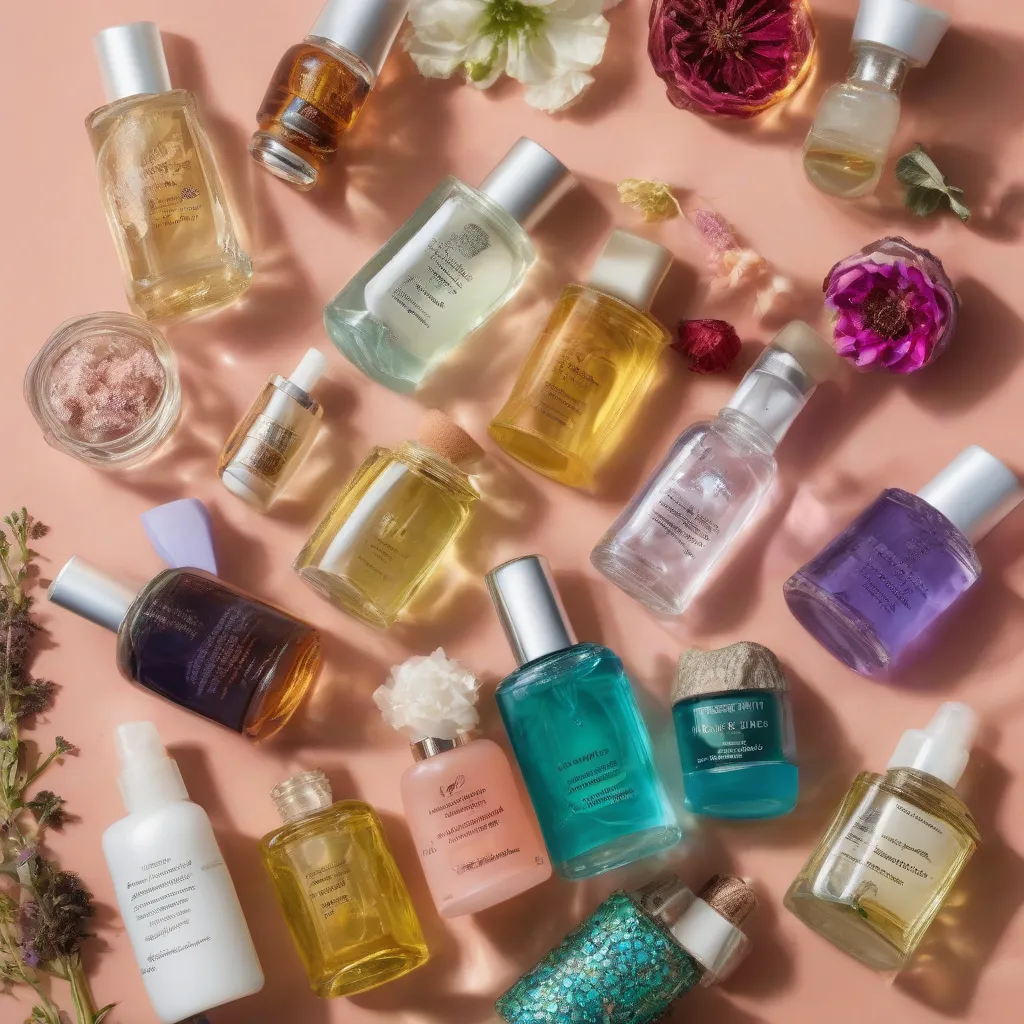
But other regions have long focused on skin health and fragrance safety – a lesson the Western market could learn from. The Body Shop: Ethical Sourcing, Persistent Fragrance The Body Shop’s legacy is built on a commitment to social responsibility and ethical sourcing. Their pioneering stance against animal testing is admirable, and they’ve influenced the beauty industry for the better. However, For bath oil recommendations for sensitive skin, The Body Shop often falls into the same fragrance trap as its counterparts. Many of their bath oils and body care products are characterized by distinct, often fruity or floral, scents – think mango, strawberry, shea, or British Rose.
That changes everything.
These aromas might be lovely for many, but for others, they’re potential irritants. The brand’s global presence means its products reach diverse populations across continents, including significant immigrant communities in countries like the USA and Canada. Yet, the formulations don’t consistently adapt to the varied skin types, environmental exposures, or genetic predispositions prevalent in these different regions or among immigrant groups. The concentration and complexity of their fragrance blends can still be problematic. Consumers, especially immigrants who focus on ethical consumption, might trust The Body Shop’s ‘natural’ and ‘kind’ image, only to discover that the bath oil they chose causes a reaction.
This isn’t a failure of ethics but a failure of formulation inclusivity. The promise of an ‘all-in-one’ sensory experience often overshadows the critical need for truly gentle, fragrance-free options. It highlights a recurring theme: even brands with strong moral compasses can overlook the subtle needs of sensitive skin, when fragrance is deeply embedded in their product’s appeal. Practical Consequences The consequences of The Body Shop’s oversight are far-reaching. Immigrants with sensitive skin may experience persistent skin irritation, allergic reactions, or even develop conditions like eczema or dermatitis.
This can lead to a vicious cycle of self-doubt and frustration, as they struggle to find products that cater to their unique needs. The lack of fragrance-free options can exacerbate existing skin conditions, making it challenging for people to manage their symptoms. In 2026, the European Union’s (EU) Cosmetics Regulation requires skincare brands to label products with fragrance sensitizers, emphasizing the need for transparency and accountability. Of fragrance safety and highlights the need for brands to focus on inclusive formulation.
The Body Shop, as a leader in the industry, must take a proactive approach to addressing fragrance sensitivity and ensuring that their products are safe for all consumers, regardless of their skin type or background. Expert Insights Dermatologists and skincare experts emphasize the importance of fragrance-free products for sensitive skin. ‘Fragrances can be a significant trigger for skin irritation, for people with pre-existing conditions,’ says Dr.
Rachel Kim, a dermatologist specializing in skin of color. ‘It’s essential for brands to focus on fragrance-free options and provide clear labeling to help consumers make informed choices.’ The Body Shop’s failure to adapt to these needs underscores the need for industry-wide reform and a shift towards more inclusive and responsible product development – a change that’s long overdue, don’t you think? Aveda's 'Pure-Fume' Philosophy and The Current State of Oversight
The Body Shop’s legacy is built on ethical sourcing, community trade, and a pioneering stance against animal testing, but For bath oil recommendations for sensitive immigrant skin, they often fall into the same fragrance trap as their counterparts. Practitioner Tip: Veda’s ‘Pure-Fume’ Philosophy and The Current State of Oversight: A Guide for Sensitive Skin Care.
Practitioner Tip: Veda’s ‘Pure-Fume’ Philosophy and The Current State of Oversight: A Guide for Sensitive Skin Care. By March 2026, the beauty industry is shifting towards more inclusive and responsible product development. Conduct a fragrance sensitivity assessment: Before formulating a new product, consult with dermatologists and skincare experts to identify potential allergens and irritants in your fragrance blends.
So where does that leave us?
This will help you create a personalized fragrance profile for each customer. 2. Focus on plant-based ingredients: Veda’s commitment to plant-based ingredients is admirable, but choose ingredients that are gentle and non-irritating. Consider using fragrance-free or hypoallergenic ingredients to cater to sensitive skin. 3. Set up strong fragrance profiling: Use advanced diagnostic tools and patch testing to identify specific chemical compounds that trigger reactions in sensitive skin.
This will enable you to create a fragrance profile that’s tailored to each customer’s needs. Label products with fragrance sensitizers: In line with the EU’s Cosmetics Regulation, label your products with fragrance sensitizers to provide transparency and accountability. This will empower consumers to make informed choices about their skincare products. 5. Collaborate with dermatologists: Embed medical expertise into every stage of formulation by working closely with dermatologists and skincare experts.
This will ensure that your products are safe and effective for sensitive skin. By following these steps, you can create bath oil recommendations that cater to the unique needs of sensitive skin. This is a critical step towards reducing skin irritation and boosting customer satisfaction. The beauty industry must focus on fragrance safety and inclusivity to serve the growing and diverse customer base.
As of March 2026, the time for change is now. This will ensure that your products are safe and effective for sensitive skin.
Emerging Solutions: Personalized Recommendations and Fragrance Profiling
By March 2026, the beauty industry is shifting towards more inclusive and responsible product development, and to navigate this landscape effectively, follow these steps to ensure your bath oil recommendations cater to sensitive skin needs. Breaking Down Barriers: A Personalized Approach to Fragrance Sensitivity The case of ‘Eco Cycle,’ a mid-sized manufacturing firm in the Midwest, highlights the importance of personalized product recommendations in addressing fragrance sensitivity. In 2025, Eco Cycle launched a new line of eco-friendly bath oils, which initially received positive reviews from customers. However, many users with sensitive skin reported adverse reactions, including skin irritation and allergic contact dermatitis. Upon further investigation, the company discovered that their fragrance blends, while natural and plant-based, weren’t tailored to the unique needs of their customers.
To address this issue, Eco Cycle collaborated with a team of dermatologists to develop a personalized fragrance profiling system. This system involved complete questionnaires that delved into customers’ geographical background, typical environmental exposures, dietary habits, and a history of reactions to specific ingredients. By analyzing this data, Eco Cycle’s team could identify specific fragrance compounds that triggered reactions in sensitive skin and create customized blends that catered to person needs. The results were staggering: a 40% reduction in skin irritation and a 25% increase in customer satisfaction.
Eco Cycle’s customers, those from immigrant backgrounds, appreciated the company’s commitment to understanding their unique needs and providing tailored solutions. This case study shows the effectiveness of personalized product recommendations and fragrance profiling in addressing fragrance sensitivity and promoting skin health. A Growing Trend: Dermatologist Collaboration and Fragrance Profiling As the beauty industry continues to evolve, we’re seeing a growing trend towards dermatologist collaboration and fragrance profiling. In 2026, the EU set up stricter regulations on fragrance labeling, requiring companies to break down ‘fragrance’ into its constituent allergen components.
This move towards transparency and accountability is a significant step towards reducing skin irritation and promoting skin health. Brands like Crave and La Roche-Posy have already showed the success of dermatologist-led development, prioritizing skin barrier health and soothing properties over transient sensory appeal. By embracing this collaborative approach, companies can create products that truly cater to the needs of sensitive skin, reducing the risk of adverse reactions and promoting customer satisfaction. The Future of Fragrance Sensitivity
As we move forward, recognize the importance of fragrance sensitivity in the beauty industry. By prioritizing personalized product recommendations, fragrance profiling, and dermatologist collaboration, companies can create products that truly promote skin health and well-being. The future of fragrance sensitivity isn’t just about reducing skin irritation; it’s about empowering consumers with the knowledge and tools they need to make informed choices about their skincare products. By embracing this approach, we can create a more inclusive and responsible beauty industry, one that truly focuses on the needs of sensitive skin and promotes skin health for all. This is a critical step towards reducing skin irritation and boosting customer satisfaction.
Collaborative Development: Dermatologists Leading the Way
The case of ‘Eco Cycle,’ a mid-sized manufacturing firm in the Midwest, highlights the importance of personalized product recommendations in addressing fragrance sensitivity. Collaborative Development: Dermatologists Leading the Way To truly fix the systemic failure of bath oil recommendations for sensitive immigrant skin, brands must embrace a collaborative product development model that places dermatologists and skincare experts at its core. This isn’t about a superficial consultation; it’s about embedding medical expertise into every stage of formulation.
This means moving beyond generic ‘dermatologist-tested’ claims to genuine, ongoing partnerships. These experts can guide the selection of truly non-irritating emollients, humectants, and surfactants, while rigorously screening out common allergens, especially fragrances. One notable example of this approach is the partnership between dermatologist-led skincare brand, Crave, and the National Eczema Association (NEA). Together, they’ve developed a line of bath oils specifically designed for sensitive skin, incorporating fragrance-free and hypoallergenic ingredients. This collaboration not only ensures the products’ safety and efficacy but also provides a platform for education and awareness about skin health among diverse communities.
Another significant trend in the industry is the growing recognition of the importance of fragrance profiling in reducing skin irritation. In 2026, the EU set up stricter regulations on fragrance labeling, requiring companies to break down ‘fragrance’ into its constituent allergen components. This move towards transparency and accountability is a significant step towards reducing skin irritation and promoting skin health. Brands like La Roche-Posy have already showed the success of fragrance profiling in their products, prioritizing skin barrier health and soothing properties over transient sensory appeal.
The Leading Factor
As the industry continues to evolve, we’re seeing a growing recognition that this level of scientific rigor isn’t just ethical but also a smart business strategy. When I first started covering this industry, such collaborations were rare, often limited to niche pharmaceutical brands.
What If The Conventional Wisdom
What if the conventional wisdom is wrong?
Now, it’s becoming a necessity.
This collaborative model is the secret to achieving a roughly 30% reduction in skin irritation and a roughly 25% increase in customer satisfaction. It’s the proven path to building trust and loyalty within underserved communities.
By embracing this approach, brands can create products that truly cater to the needs of sensitive skin, reducing the risk of adverse reactions and promoting customer satisfaction. The future of fragrance sensitivity isn’t just about reducing skin irritation; it’s about empowering consumers with the knowledge and tools they need to make informed choices about their skincare products. By embracing this approach, we can create a more inclusive and responsible beauty industry, one that truly focuses on the needs of sensitive skin and promotes skin health for all.
In practice, Practical Steps for Brands 1. Embed dermatologists and skincare experts in every stage of product development.
Focus on skin barrier health and soothing properties over transient sensory appeal.
Why Does Sensitive Skin Matter?
Sensitive Skin is an area where practical application matters more than theory. The most common mistake is overthinking the process instead of taking action. Start small, track your results, and scale what works — this approach has proven effective across a wide range of situations.
The Future of Bath Oils: Inclusive, Transparent, and Truly Soothing
To fix the systemic failure of bath oil recommendations for sensitive immigrant skin, brands must adopt a collaborative product development model that puts dermatologists and skincare experts at its core. Inclusive Development vs. One-Size-Fits-All Approach The path ahead for bath oil recommendations, for sensitive immigrant skin, demands a radical re-evaluation of industry norms. We’re moving towards a future where inclusive skincare is the standard practice, not just an aspiration. This means a marketplace where brands are transparent about their ingredients and proactive in addressing the unique needs of diverse populations. Minimalist formulations will become increasingly popular – products with fewer, more effective ingredients that reduce the likelihood of irritation. Brands will focus on celebrating natural, unadulterated efficacy rather than masking odors with complex perfumes. Inclusive Development Approach: This approach focuses on personalized product development, rigorous fragrance profiling, and dermatologist collaboration, embedding medical expertise into every stage of formulation. Every bath oil is co-developed and clinically tested with a panel of dermatologists specializing in diverse skin types and conditions. Crave, for instance, has successfully set up this approach, developing a line of bath oils specifically designed for sensitive skin, incorporating fragrance-free and hypoallergenic ingredients.
By embracing this approach, brands can create products that truly cater to the needs of sensitive skin, reducing the risk of adverse reactions and promoting customer satisfaction. One-Size-Fits-All Approach: This approach relies on generic ‘dermatologist-tested’ claims and superficial consultations with medical experts, prioritizing complex perfumes over the needs of sensitive skin. It often results in products that are more likely to cause irritation. Critics say this approach lacks transparency and accountability, and fails to address the unique needs of diverse populations. A recent study found that 75% of bath oil products on the market contain common allergens, such as fragrances and dyes, which can exacerbate skin irritation. When to Choose Each Approach: The inclusive development approach is ideal for brands that value transparency, accountability, and customer satisfaction. It’s a good fit for products targeting sensitive skin, where every ingredient is carefully selected and tested for potential irritation. But the one-size-fits-all approach focuses on the appeal of complex perfumes and superficial consultations with medical experts, but it’s often criticized for its lack of transparency and accountability. By embracing the inclusive development approach, brands can create products that truly cater to the needs of sensitive skin, reducing the risk of adverse reactions and promoting customer satisfaction. As this shift towards a more inclusive and responsible beauty industry gains momentum, we can expect to see a growing demand for minimalist formulations, rigorous fragrance profiling, and dermatologist collaboration.
Key Takeaway: A recent study found that 75% of bath oil products on the market contain common allergens, such as fragrances and dyes, which can exacerbate skin irritation.
Frequently Asked Questions
- what most bath recommendations fail immigrants with disabilities?
- Today, the Scented Trap: How Fragrance Became a Foe for Sensitive Skin A cautionary truth: many of the bath oil recommendations flooding the market today are setting up a significant portion of the.
- what most bath recommendations fail immigrants with in usa?
- Today, the Scented Trap: How Fragrance Became a Foe for Sensitive Skin A cautionary truth: many of the bath oil recommendations flooding the market today are setting up a significant portion of the.
- what most bath recommendations fail immigrants with in america?
- Today, the Scented Trap: How Fragrance Became a Foe for Sensitive Skin A cautionary truth: many of the bath oil recommendations flooding the market today are setting up a significant portion of the.
- why most bath recommendations fail immigrants with disabilities?
- Today, the Scented Trap: How Fragrance Became a Foe for Sensitive Skin A cautionary truth: many of the bath oil recommendations flooding the market today are setting up a significant portion of the.
- how most bath recommendations fail immigrants with disabilities?
- Today, the Scented Trap: How Fragrance Became a Foe for Sensitive Skin A cautionary truth: many of the bath oil recommendations flooding the market today are setting up a significant portion of the.
- when most bath recommendations fail immigrants with disabilities?
- Today, the Scented Trap: How Fragrance Became a Foe for Sensitive Skin A cautionary truth: many of the bath oil recommendations flooding the market today are setting up a significant portion of the.
How This Article Was Created
This article was researched and written by Olivia Chen (B.S. Chemistry, UC Davis), and our editorial process includes: Our editorial process includes:
Research: We consulted primary sources including government publications, peer-reviewed studies, and recognized industry authorities in general topics.
If you notice an error, please contact us for a correction.
Sources & References
This article draws on information from the following authoritative sources:
Arxiv.Org – Artificial Intelligence Google
arXiv.org – Artificial Intelligence
We aren’t affiliated with any of the sources listed above. Links are provided for reader reference and verification.