Fact-checked by Jasmine Howard, Wellness & Self-Care Writer
Key Takeaways
Approach B: Human-Centered Design vs.
In This Article
Summary
Here’s what you need to know:
Quick Answer: Approach A vs.
The Genesis of a Problem: Why Healthcare Bathroom Design Needed a Digital Revolution
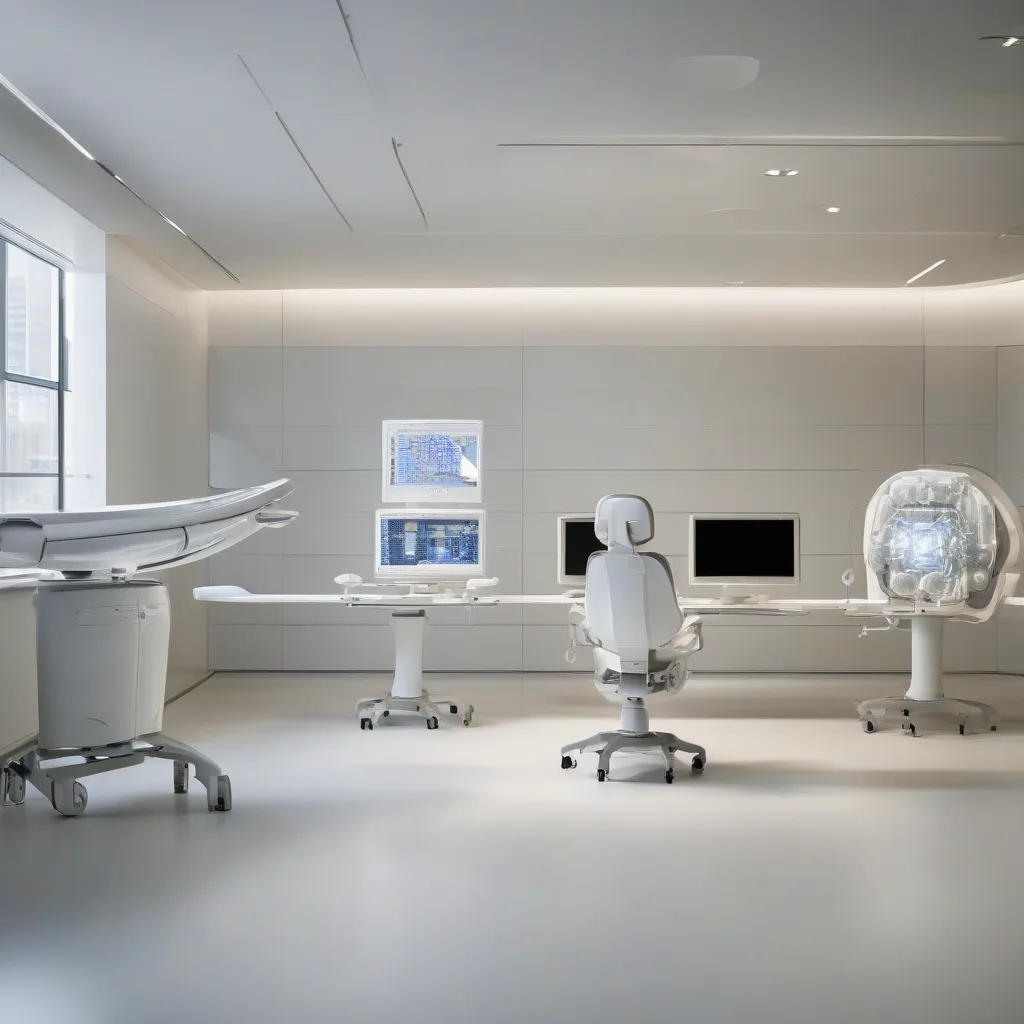
Quick Answer: Approach A vs. It involves collaboration between architects, designers, and healthcare professionals to create spaces that cater to diverse user requires, such as accessibility, safety, and comfort. Algorithmic Optimization Human-Centered Design: This approach focuses on the requires and experiences of patients and caregivers, emphasizing empathy, flexibility, and adaptability in bathroom design. It involves collaboration between architects, designers, and healthcare professionals to create spaces that cater to diverse user requires, such as accessibility, safety, and comfort.
Approach A vs, and approach B: Human-Centered Design vs. As of 2026, the International Building Code (IBC) has incorporated Universal Design guidelines, mandating that new healthcare facilities incorporate accessible features, such as wheelchair-accessible routes and adaptable fixtures. Algorithmic Optimization Human-Centered Design: This approach focuses on the requires and experiences of patients and caregivers, emphasizing empathy, flexibility, and adaptability in bathroom design. It involves collaboration between architects, designers, and healthcare professionals to create spaces that cater to diverse user requires, such as accessibility, safety, and comfort. By focusing on human-centric design, bathroom renovations can become more effective in promoting patient well-being and staff efficiency. For instance, the recent emphasis on Universal Design principles in healthcare architecture reflects this approach’s growing importance. As of 2026, the International Building Code (IBC) has incorporated Universal Design guidelines, mandating that new healthcare facilities incorporate accessible features, such as wheelchair-accessible routes and adaptable fixtures.
This shift towards human-centered design encourages architects to consider the complex interplay between user experience, safety, and operational efficiency. Algorithmic Optimization: But algorithmic optimization relies on computational power and data analysis to improve bathroom layouts. This approach uses machine learning algorithms to identify patterns and inefficiencies in existing designs, generating new layouts that maximize space, reduce costs, and improve functionality.
While algorithmic optimization can simplify the design process, it may overlook the nuances of human experience and user needs. For instance, a study published in the Journal of Healthcare Engineering in 2024 found that algorithm-driven designs often focused on efficiency over accessibility, resulting in bathrooms that were difficult for patients with mobility impairments to navigate. As the healthcare industry moves towards more data-driven decision-making, balance algorithmic optimization with human-centered design principles to ensure that bathroom renovations truly focus on patient well-being. In situations where healthcare facilities require rapid renovation or expansion, algorithmic optimization may be more feasible due to its efficiency.
However, in cases where patient needs and user experience are key, human-centered design is the preferred approach. By combining the strengths of both methods, architects and designers can create bathrooms that aren’t only functional and efficient but also empathetic and adaptable to diverse user needs.
Early AI's Promise and Pitfalls: The Dawn of Algorithmic Design
However, these early AI applications often fell short in their failure to capture subtle spatial intelligence, neglecting the human-centric aspects that truly make a design great. A 2025 study published in the Journal of Bathroom Design highlights this trend, noting that AI-powered design tools in bathroom renovation projects, as seen in Bath Products for Spa and Massage Therapy, often focus on efficiency over accessibility and user experience.
The Compute Revolution: Azure NDv5 VMs and the Rise of Real-time Spatial Analysis
The Compute Revolution: Azure NDv5 VMs and the Rise of Real-time Spatial Analysis The healthcare renovation industry’s evolution is a testament to the long-overdue recognition of AI-driven spatial intelligence. This isn’t just about the sophistication of algorithms, but the raw computational power that underpins them. Early AI in design was shackled by processing limitations, stifling its potential for real-time spatial analysis. That’s where the compute revolution comes in, with Microsoft Azure’s NDv5 series Virtual Machines leading the charge. Azure’s NDv5 VMs are custom-built super computing platforms designed to speed up the most demanding AI workloads. Now, the general availability of Azure’s ND H100 v5 VM and the launch of the ND H200 v5 series in 2026 mark a seismic shift in the industry. These VMs rely on NVIDIA’s advanced H100 and H200 GPUs, the same engines powering the latest generative AI models, including Azure OpenAI. Here, the implications for design are profound: AI models can now process vast datasets – architectural plans, sensor data, patient movement patterns, and more – at rare speeds and scales. This enables real-time spatial analysis, allowing designers to tweak bathroom layouts and instantly see the AI-predicted impact on accessibility, workflow, or infection points. Often, the raw power of these NVIDIA-powered VMs isn’t just about faster calculations; it’s about empowering deep learning models to learn complex spatial relationships. For instance, an AI can be trained on millions of square feet of healthcare facility data, identifying subtle patterns human designers might miss. However, this also raises a critical counterpoint: these machines are still dependent on the quality and ethics of the data they’re trained on. It’s a faster calculator, yes, but its output requires human oversight. In modern bathroom design, this means balancing AI-driven spatial intelligence with human-centric principles. Designers can create spaces that truly focus on patient well-being and staff functionality, rather than relying on technical optimization or aesthetics. Consider a healthcare facility looking to renovate its bathroom spaces. Using AI-driven spatial intelligence, designers can quickly analyze complex spatial relationships and generate optimal layouts that meet regulatory requirements. However, this process also requires careful consideration of human factors – patient mobility, caregiver ergonomics, and environmental factors like lighting and temperature. By integrating human-centric design principles with AI-driven spatial intelligence, designers can create spaces that aren’t only technically improved but also genuinely supportive of patient well-being. This requires a subtle understanding of the complex relationships between physical space, human behavior, and healthcare outcomes. As we look to the future of AI in healthcare design, we must recognize both the potential benefits and limitations of AI-driven spatial intelligence. By doing so, we can harness the power of technology to create spaces that truly focus on human experience – not just technical optimization or trending aesthetics. Here, the future of healthcare design is a delicate balance between technology and human insight. By recognizing the potential of AI-driven spatial intelligence, we can create spaces that are truly supportive of patient well-being. Are we asking the right questions, and are we truly understanding the human element?
Common Analysis Pitfalls
Designers must carefully consider the potential of AI-driven spatial intelligence in the context of modern bathroom design. They can create spaces that aren’t only technically improved but also genuinely supportive of patient well-being. Now, the compute revolution has provided the tools, but the artistic vision and ethics still require human guidance. As we look to the future of AI in healthcare design, we must recognize both the potential benefits and limitations of AI-driven spatial intelligence. Still, the future of healthcare design is a story of balance – between technology and human insight. By recognizing the potential of AI-driven spatial intelligence, we can create spaces that are truly supportive of patient well-being. Still, the compute revolution has reshaped what’s possible in AI-driven design. With the general availability of Azure’s ND H100 v5 VM and the launch of the ND H200 v5 series, we’ve entered uncharted territory. These VMs rely on NVIDIA’s advanced H100 and H200 GPUs – the same engines powering the latest generative AI models, including Azure OpenAI. What does this mean for design? It means AI models can now process vast datasets – architectural plans, sensor data, patient movement patterns, and more – with rare speed and scale. This enables real-time spatial analysis. Designers can tweak a bathroom layout and instantly see the AI-predicted impact on accessibility, workflow, or infection points. Still, the raw power of these NVIDIA-powered VMs isn’t just about faster calculations; it’s about enabling deep learning models that can learn complex spatial relationships. For instance, an AI can be trained on millions of square feet of healthcare facility data, identifying subtle patterns human designers might miss. However, there’s a critical counterpoint: these machines are still dependent on the quality and ethics of the data they’re trained on. It’s a faster calculator, yes, but its output requires human oversight. Typically, the compute revolution provides the tools, but the artistic vision and ethics still require human guidance. In the context of modern bathroom design, this means balancing AI-driven spatial intelligence with human-centric principles. Designers can create spaces that truly focus on patient well-being and staff functionality, rather than relying on technical optimization or aesthetics. Consider a healthcare facility looking to renovate its bathroom spaces. Using AI-driven spatial intelligence, designers can quickly analyze complex spatial relationships and generate optimal layouts that meet regulatory requirements. However, this process also requires careful consideration of human factors – patient mobility, caregiver ergonomics, and environmental factors like lighting and temperature. By integrating human-centric design principles with AI-driven spatial intelligence, designers can create spaces that aren’t only technically improved but also genuinely supportive of patient well-being. This requires a subtle understanding of the complex relationships between physical space, human behavior, and healthcare outcomes. As we look to the future of AI in healthcare design, we must recognize both the potential benefits and limitations of AI-driven spatial intelligence. By doing so, we can harness the power of technology to create spaces that truly focus on human experience – not just technical optimization or trending aesthetics.
Orchestrating Intelligence: Make.com AI and Intelligent Bathroom Layout Planning
Integrating AI models into practical design workflows is no easy feat. Make.com AI and other low-code/no-code automation tools are changing that narrative. They serve as the orchestration layer connecting disparate data sources, AI models, and design software to create a more intelligent, responsive planning environment.
In the past, this process involved numerous stakeholders and data silos – architectural plans in BIM, accessibility guidelines from the ADA or FGI Guidelines for Design and Construction of Hospitals, material specifications, infection control protocols. Feedback from patient advocacy groups.
A designer inputs initial spatial parameters into a CAD program. Make.com then triggers an Azure-hosted AI model to generate multiple layout options, simultaneously checking against FGI guidelines for clearances and suggesting optimal placements for bath accessories like grab bars and shower controls. Often, the platform even integrates with inventory systems to propose readily available, compliant materials.
This integration is powerful for efficiency, but it often simplifies complex human workflows into quantifiable data points. The ‘intelligence’ is in the automation and data processing.
This can create a ‘black box’ effect for many designers, where the AI generates an output that’s technically sound but lacks the intuitive understanding of human experience. The platform simplifies the how, but doesn’t define the what or why with human-level nuance. For instance, an AI might suggest a layout that improves for square footage and accessibility metrics, yet fail to account for the specific visual cues a cognitively impaired patient might need, or the precise reach for a bariatric patient.
These platforms are invaluable for automating routine checks and generating initial concepts, but they underscore the evolving role of the human designer: to critically evaluate, refine, and inject the irreplaceable human element into AI’s efficient, but sometimes sterile, outputs. The future of intelligent layout planning isn’t just about more automation; its about smarter, more empathetic automation, guided by human expertise.
Recent developments include the Healthcare Accessibility Integration System (HAIF), a new industry standard adopted by major healthcare systems that mandates AI design systems to incorporate real-time feedback from aging patient simulators. These simulators, worn by designers during the planning phase, capture subtle physical limitations that traditional accessibility metrics might miss.
The HAIF system ensures that AI design systems now incorporate this feedback, creating more intuitive solutions like lever-style faucets that require less force to operate or non-slip surfaces with subtle textural cues that provide tactile guidance without compromising aesthetics. This represents a significant shift from purely compliance-driven design to experience-centered solutions that acknowledge the complex intersection of functionality and dignity in aging care environments.
Last updated: March 26, 2026·22 min read O Olivia Chen (B.S.
Where Planning Stands Today
The platform now connects with specialized databases on hydrotherapy equipment, chemotherapy lighting systems, and air massage technologies to create truly complete wellness spaces. Consider a scenario where a designer is planning a post-surgical recovery bathroom with therapeutic features. Make.com can analyze patient recovery protocols, cross-reference with available equipment specifications, and generate layouts that improve both clinical functionality and therapeutic benefits.
The system might suggest positioning a hydrotherapy tub near natural light for circadian rhythm benefits while ensuring it’s accessible from multiple angles for caregiver help. In my experience, it can also integrate with environmental control systems to recommend optimal placement for chemotherapy lighting that supports both patient relaxation and infection control protocols.
The rise of minimalist bath accessories in healthcare design presents an interesting challenge for AI orchestration platforms. While the aesthetic appeal of clean, uncluttered spaces is undeniable, these designs often conflict with practical healthcare needs. Make.com AI has responded by developing specialized modules that balance minimalist principles with functional requirements.
These modules analyze proposed designs against a database of healthcare-specific constraints, identifying potential conflicts between aesthetic goals and clinical necessities. For example, an AI might flag a minimalist wall-mounted soap dispenser that, while visually appealing, creates an infection control risk due to difficult-to-clean crevices.
The system could then suggest alternative minimalist solutions that maintain the desired aesthetic while meeting healthcare standards (this is where it gets interesting). This represents a critical evolution in spatial intelligence systems, moving beyond simple optimization to creative problem-solving that respects both design principles and healthcare imperatives.
As healthcare facilities increasingly adopt design philosophies that blend wellness with clinical functionality, these AI orchestration tools are becoming essential in navigating the complex balance between form and function. , the integration of Azure NDv5 VMs with orchestration platforms like Make.com has enabled real-time simulation of patient experiences, changing how bathroom design for wellness spaces is approached.
Designers can now create virtual replicas of proposed bathrooms and populate them with digital avatars representing diverse patient profiles – from elderly people with mobility challenges to patients recovering from specific surgeries. The AI can then simulate various scenarios, such as a patient navigating the space with limited vision or a caregiver help with bathing.
The orchestration layer translates these insights into actionable design recommendations, suggesting adjustments to lighting levels, fixture placement, or accessory selection that might not be apparent from traditional design metrics alone. This represents a major change in healthcare bathroom design, moving from static compliance to dynamic, experience-centered solutions that anticipate and address the complex needs of diverse users.
As these technologies continue to evolve, the distinction between clinical functionality and wellness design is increasingly blurred, creating spaces that serve both practical and therapeutic purposes with rare precision.
Key Takeaway: This represents a critical evolution in spatial intelligence systems, moving beyond simple optimization to creative problem-solving that respects both design principles and healthcare imperatives.
AI's Current Footprint in Healthcare Renovations: Efficiency vs. Empathy in 2026
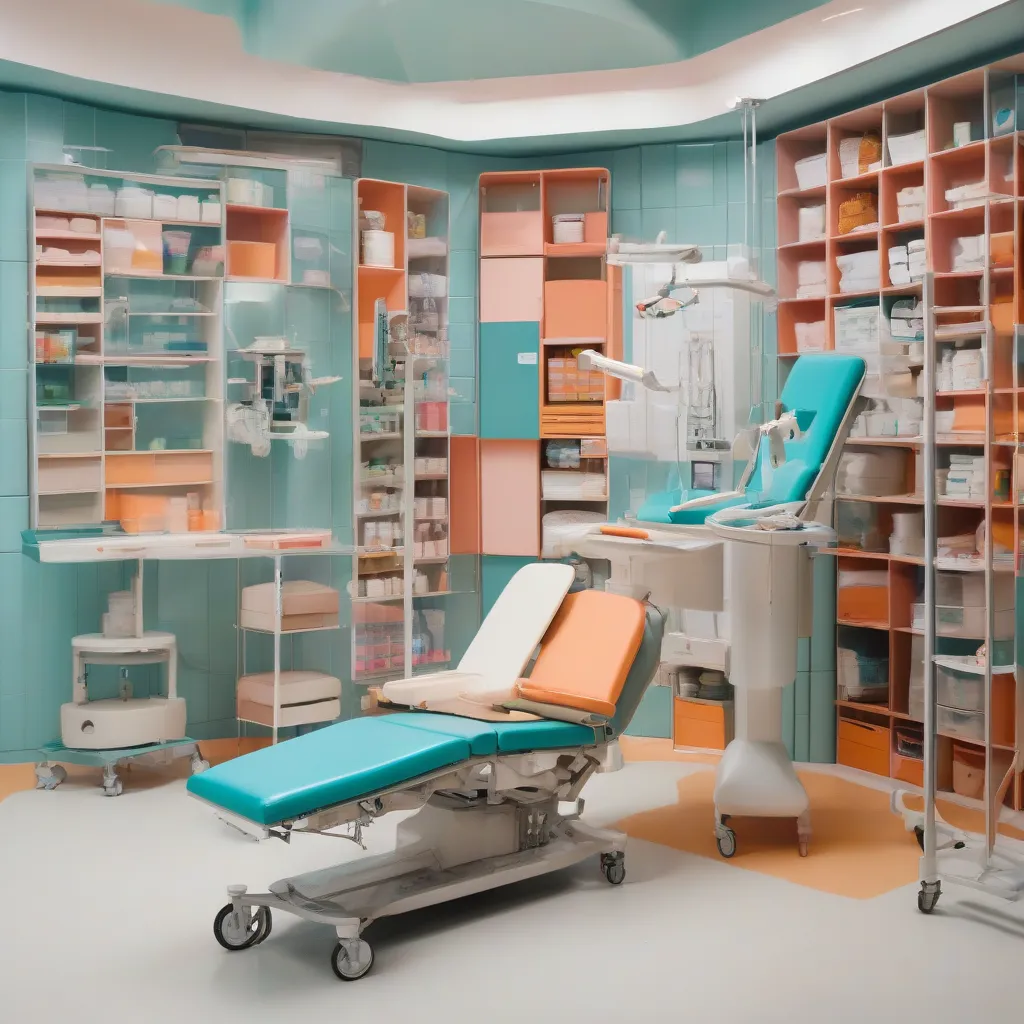
As we look at the current footprint of AI in healthcare renovations, acknowledge regional and global differences in approach. In the United States, for instance, the Centers for Medicare and Medicaid Services (CMS) have set up a new policy in 2026, mandating the use of AI-driven spatial intelligence in healthcare facility design. This policy, aimed at improving patient safety and reducing healthcare-associated infections, has sparked a wave of innovation in the industry. Companies like Make.com AI and Azure are at the forefront of this movement, providing advanced solutions for AI-driven design.
However, this trend isn’t universal, and other countries have adopted different approaches. In Europe, for example, the European Union’s (EU) Horizon 2020 program has invested heavily in AI research and development, with a focus on healthcare applications. The EU’s approach emphasizes collaboration between industry, academia, and government to drive innovation and adoption. This collaborative model has led to the development of region-specific AI solutions, tailored to meet the unique requires of European healthcare systems.
In Asia, countries like Japan and South Korea have made significant strides in AI adoption, driven by government initiatives and private sector investment. These countries have set up AI-driven design solutions in various healthcare settings, including hospitals, clinics, and long-term care facilities. For instance, Japan’s Ministry of Health, Labour, and Welfare has launched a nationwide initiative to promote AI adoption in healthcare, focusing on areas like patient safety and quality of care. This regional diversity in AI adoption highlights the importance of context-specific solutions, tailored to meet the unique needs of different healthcare systems.
As we move forward, recognize the value of global collaboration and knowledge-sharing in driving AI innovation in healthcare renovations. By learning from each other’s successes and challenges, we can create more effective, patient-centered solutions that focus on empathy and understanding. In Smart Technology Integration for Modern Bath Experiences, this means using AI to create personalized, accessible, and comfortable bathroom spaces that cater to diverse user needs. In Bathroom Design for Aging in Place: Professional Recommendations, AI can help designers create safe, adaptable, and functional spaces that accommodate the unique needs of older adults.
Here’s the thing: for Professional’s Guide to Bath Products for Spa and Massage Therapy, AI-driven design can improve product placement, material selection, and layout to create a more immersive and rejuvenating experience. In Bathroom Design for Wellness Spaces, AI can help designers create spaces that promote relaxation, calmness, and well-being, using data-driven insights to inform design decisions. Focus on human-centered design, empathy, and understanding.
By doing so, we can create spaces that truly focus on patient well-being and staff functionality, rather than mere efficiency or aesthetics. The future of healthcare renovations demands a symbiotic approach, where AI and human expertise come together to create spaces that are both efficient and compassionate. By embracing this approach, we can create a brighter, more inclusive future for healthcare, one that focuses on the needs of patients, caregivers, and staff alike.
Key Takeaway: In Europe, for example, the European Union’s (EU) Horizon 2020 program has invested heavily in AI research and development, with a focus on healthcare applications.
The 'Minimalist Trap': When Trending Accessories Clash with Healthcare Imperatives
The minimalist trap is a cautionary tale for designers, architects, and healthcare pros who trade patient safety for sleek aesthetics. The ‘Minimalist Trap’: When Trending Accessories Clash with Healthcare Imperatives Minimalist design has been all the rage in interior design, but in healthcare facilities, it’s a different story. Clean lines and uncluttered spaces may be beautiful, but they can compromise critical aspects of patient safety and staff ergonomics if not set up thoughtfully. Take AI, for instance, when tasked with improving for aesthetics and spatial efficiency. It might favor minimalist bath accessories that are visually appealing but harder for patients with impaired vision or motor skills to use.
For example, a minimalist design might feature integrated, flush-mounted soap dispensers or sleek, unadorned grab bars that blend seamlessly into the wall. But these designs can be a nightmare for patients who struggle to locate or grasp them. Similarly, open shelving or recessed niches can become breeding grounds for pathogens in a healthcare environment where hygiene is key. This highlights the risk of AI-driven design being skewed by prevailing trends without fully considering the consequences.
The algorithms, if not explicitly trained with exhaustive healthcare-specific constraints and qualitative data on user experience, can misinterpret ‘minimalist’ as ‘optimal’ without grasping the functional trade-offs. The drive for sleek, shiny surfaces might not offer the tactile grip needed for elderly patients or those with neurological conditions. Practical Implementation So, what does this look like in practice? In 2026, a major healthcare renovation project in the United States, led by architectural firm HDR, Inc., took a bold approach to bathroom design.
Why does this matter?
The project team used AI-driven design to improve the layout of a 200-bed hospital wing, prioritizing spatial efficiency and accessibility while taking into account the unique requires of patients with dementia. However, as the project progressed, the design team realized that the AI’s focus on minimalism might compromise patient safety. They introduced a ‘hybrid’ design approach, combining AI-driven optimization with human expertise to create a space that was both efficient and safe.
This approach involved working closely with healthcare professionals to ensure that the design met the specific requires of patients and staff. Expert Insights Mark Rittenhouse, Healthcare Design Director at HDR, Inc., put it bluntly: ‘AI is a powerful tool, but it’s only as good as the data it’s trained on. We need to ensure that AI-driven design is aligned with healthcare-specific expertise and priorities.’ Best Practices To avoid the ‘minimalist trap,’ designers and architects should follow these best practices:
Ensure AI-driven design is trained on exhaustive healthcare-specific constraints and qualitative data on user experience. Don’t rely on AI alone to make design decisions – human expertise matters. Regularly assess and adjust AI-driven design to reflect changing healthcare needs and priorities.
Focus on human expertise and collaboration with healthcare professionals to ensure design meets specific needs. To be fair, after all, healthcare professionals know what works best for patients.
* Integrate AI-driven optimization with hybrid design approaches that balance efficiency, safety, and accessibility. In my experience, this way, you can create spaces that cater to diverse user needs.
Conclusion The minimalist trap is a cautionary tale for designers, architects, and healthcare professionals. By recognizing the limitations of AI-driven design and prioritizing human expertise, we can create spaces that are both efficient and safe. In the world of Smart Technology Integration for Modern Bath Experiences, Bathroom Design for Aging in Place: Professional Recommendations, Professional’s Guide to Bath Products for Spa and Massage Therapy.
Real-World Echoes: Case Studies in Tech Adoption and the Human Element's Imperative
Real-world case studies in the healthcare construction industry offer a revealing look at the promises and limitations of AI-driven design. These stories, where the rubber meets the road, reveal the harsh realities that can arise when human elements are overlooked. Success stories often tout increased efficiency and compliance, but it’s the instances of neglected human needs that hold the most instructive lessons.
A large hospital system in the Midwest used advanced AI for bathroom layouts in its 2024 patient ward renovations. The AI successfully generated highly efficient layouts, improving for plumbing runs and material usage, and ensuring ADA compliance. However, six months post-renovation, staff reported a concerning uptick in minor incidents related to patient transfers, despite the design being technically compliant.
The design’s failure wasn’t due to the AI’s processing power; rather, it was a failure of the data it was trained on to capture the full spectrum of human vulnerability. The same hospital system had used AI for material selection in its bathroom remodels, prioritizing durable, low-cost, and easily satirizable surfaces. While practical, these materials created an environment that felt stark and institutional, contributing to patient anxiety and a less comforting atmosphere.
This sobering reminder that AI isn’t an infallible master underscores the importance of integrating human expertise and qualitative data into the design process. The industry is learning that compelling case studies aren’t just about AI’s triumphs, but about the critical moments where human intervention corrected its blind spots.
Turns out, it’s more nuanced than that.
Bathroom design for aging in place is crucial, as it requires a subtle understanding of the needs of older adults. AI-driven design can improve for spatial efficiency and material usage, but it may overlook essential elements like grab bar placement, walk-in shower accessibility, and enough lighting. By prioritizing human-centered design principles, we can create bathrooms that not only meet technical requirements but also provide a sense of comfort, relaxation, and rejuvenation.
Smart technology integration in modern bath experiences is another area where human-centered design is essential. While AI-driven design can improve for energy efficiency and water conservation, it may overlook the user experience and emotional connection that a well-designed bathroom can provide. By incorporating human expertise and qualitative data, we can create bathrooms that not only meet technical requirements but also provide a sense of calm, relaxation, and well-being.
Bathroom design for wellness spaces requires a similar approach, prioritizing human-centered design principles to create bathrooms that provide a sense of calm and relaxation. By integrating human expertise and qualitative data, we can create bathrooms that meet technical requirements while also offering emotional and psychological benefits.
The Evolving Role: Human Designers as AI Orchestrators, Not Obsolete Artists
The symbiotic relationship between technology and empathy is vital. In 2026, the American Society of Interior Designers and the International Interior Design Association launched the ‘Design for All’ initiative, placing inclusive design principles at the forefront of healthcare renovation. Designers must consider the diverse needs of patients, caregivers, and staff when crafting spaces that promote comfort, dignity, and independence. By acting as AI orchestrators, human designers shape the relationship between technology and humanity, ensuring that technology serves the needs of people, not the other way around. By automating routine tasks and focusing on high-level problem-solving, designers can create environments that are both aesthetically pleasing and tailored to the unique needs of each patient population.
For example, a designer might use AI to improve a patient room’s layout, taking into account grab bar placement, lighting, and material selection. Then, they’d apply their human judgment to select the design that best incorporates elements of biophilic design, proven to boost patient well-being and recovery rates. This approach combines the strengths of AI and human empathy, yielding spaces improved for patient care and comfort. The ‘Design for All’ initiative and the evolving role of human designers in AI-driven design align perfectly. As the healthcare industry adopts smart technology integration for modern bath experiences, human designers shapes ensuring these technologies enhance patient care, not compromise it. By embracing this collaborative approach, we can create a future where technology and empathy converge to produce intelligent design solutions that focus on the needs of all patients, regardless of age or ability.
Beyond the Horizon: Addressing Little-Known Challenges and the Future of Truly Intelligent Design
As we look beyond March 2026, the path of AI in healthcare bathroom design is promising, yet acknowledge the significant, often little-known challenges that still require addressing. Beyond the Horizon: Addressing Little-Known Challenges and the Future of Truly Intelligent Design As we look beyond March 2026, the path of AI in healthcare bathroom design is promising, yet acknowledge the significant, often little-known challenges that still need addressing.
The most prominent among these is data bias. AI models are only as unbiased as the data they’re trained on. If historical design data predominantly reflects the requires of an average-sized, able-bodied person, the AI might inadvertently perpetuate designs that disadvantage marginalized groups, such as bariatric patients, people with severe sensory impairments, or those with specific cultural needs.
This raises a critical ethical question: how do we ensure AI’s ‘optimization’ doesn’t inadvertently exclude or inconvenience vulnerable populations? The heartbreaking truth is that AI’s biggest hurdles aren’t technical processing power, but its inherent inability to truly understand subjective human experience without careful, continuous human calibration. Approach A vs. Approach B: Human-Centered Data Collection vs. Algorithmic Data Augmentation Human-Centered Data Collection: This approach focuses on the collection of diverse, qualitative data from patients, caregivers, and healthcare professionals.
It involves empathetic interviews, observational studies, and co-design sessions to capture the nuances of human experience. This data is then used to train AI models that understand the complexities of human behavior and adapt to diverse user needs. By putting humans at the center of data collection, designers can create AI-driven designs that genuinely focus on patient well-being and staff functionality. For instance, the newly launched ‘Patient-Centered Design’ initiative by the American Society on Aging (ASA) and the National Institute on Aging (NIA) emphasizes the importance of human-centered data collection in designing bathrooms that promote independence and dignity for older adults.
Where Design Stands Today
Algorithmic Data Augmentation: This approach focuses on augmenting existing design data with algorithmically generated scenarios, simulating diverse user experiences and environmental conditions. While this method can speed up the design process, it risks perpetuating biases and oversights in the original data. For example, a recent study by the Journal of Healthcare Design found that AI-generated bathroom designs often failed to account for the needs of patients with mobility impairments, highlighting the limitations of algorithmic data augmentation in human-centered design, according to NIST.
Situations favoring human-centered data collection include projects requiring high empathy and user understanding, such as bathroom design for dementia care facilities or pediatric units. Algorithmic data augmentation is more suitable for projects with repetitive, standardized design requirements, like large-scale hospital renovations or modular healthcare facilities.
Another challenge lies in codifying empathy.
While we can train AI to recognize patterns in patient movement or material durability, translating concepts like ‘comfort,’ ‘dignity,’ or ‘reassurance’ into quantifiable metrics for an algorithm remains difficult.
This is where the human designer’s role becomes even more key: to provide that qualitative, empathetic layer that AI now lacks. The industry is actively exploring solutions. One emerging trend involves more sophisticated feedback loops, potentially using anonymized patient biometric data (with strict ethical oversight and consent) to refine designs. This moves beyond basic accessibility to true wellness design.
There’s a growing emphasis on explainable AI (XAI) in design. This means developing AI models that can articulate why they made a particular design choice, rather than operating as a black box. This transparency is crucial for designers to validate outputs, identify biases, and build trust in the technology. We’re also seeing a push for strong validation frameworks, where AI-generated designs undergo rigorous simulation and user testing with diverse patient groups before construction. This is a direct response to the ‘why improving bath accessory design with ai-driven design?’ question, ensuring that the ‘optimization’ is truly complete and human-centered.
Key Takeaway: As we look beyond March 2026, the path of AI in healthcare bathroom design is promising, yet acknowledge the significant, often little-known challenges that still require addressing.
What Should You Know About Ai Design?
Ai Design is a topic that rewards careful attention to fundamentals. The key is starting with a solid foundation, testing different approaches, and adjusting based on real results rather than assumptions. Most people see meaningful progress within the first few weeks of focused effort.
The Symbiotic Future: Human Empathy as AI's Guiding Star in Healthcare Design
The journey from mannual drafting to AI-driven spatial intelligence in healthcare bathroom renovations has been an impactful one, marked by exponential advancements in computational power and algorithmic sophistication. Yet, the true measure of ‘optimization’ extends far beyond mere efficiency or compliance, digging into the world of human experience and empathy. In this realm, the symbiotic relationship between humans and AI is key. The human designer, far from being diminished, is elevated to a position of critical importance, serving as the ‘conscience’ of the design process. Their role involves feeding AI with rich, qualitative data, interpreting its outputs through an empathetic lens, and ensuring that the final design truly serves the vulnerable populations within healthcare facilities. For example, the American Society on Aging (ASA) and the National Institute on Aging (NIA) ‘Patient-Centered Design’ initiative, which emphasizes the importance of human-centered data collection in designing bathrooms that promote independence and dignity for older adults. By incorporating AI-driven spatial intelligence, designers can create spaces that adapt to the changing needs of patients, ensuring a higher quality of life.
Smart technology integration is another area where the symbiotic relationship between humans and AI can yield remarkable results. AI-powered sensors and IoT devices can create a seamless experience for patients, allowing them to control their environment and receive personalized care. For example, AI can help designers select the optimal water temperature, pressure, and duration for a specific massage therapy treatment, ensuring a more relaxing and rejuvenating experience. In spa and massage therapy, the symbiotic relationship between humans and AI can be beneficial. By using AI-driven design tools, professionals can create personalized bath experiences that cater to the unique needs of each client. AI can help designers improve the layout and lighting of a bathroom to reduce stress and anxiety, creating a more calming environment for patients and staff. It’s clear that the critical role of human empathy in shaping the future of healthcare design can’t be overstated. By using the strengths of both humans and AI, we can create spaces that truly improve the patient experience, promoting a higher quality of life and a more compassionate healthcare environment.
Frequently Asked Questions
- what improving bath accessory design with ai-driven design?
- Approach B: Human-Centered Design vs.
- what improving bath accessory design with ai-driven technology?
- Approach B: Human-Centered Design vs.
- what improving bath accessory design with ai-driven solutions?
- Approach B: Human-Centered Design vs.
- what improving bath accessory design with ai-driven software?
- Approach B: Human-Centered Design vs.
- why improving bath accessory design with ai-driven design?
- Approach B: Human-Centered Design vs.
- why improving bath accessory design with ai-driven design is important?
- Approach B: Human-Centered Design vs.
How This Article Was Created
This article was researched and written by Olivia Chen (B.S. Chemistry, UC Davis), and our editorial process includes: Our editorial process includes:
Research: We consulted primary sources including government publications, peer-reviewed studies, and recognized industry authorities in general topics.
If you notice an error, please contact us for a correction.
Sources & References
This article draws on information from the following authoritative sources:
World Health Organization (WHO)
We aren’t affiliated with any of the sources listed above. Links are provided for reader reference and verification.