Fact-checked by Olivia Chen, Bath & Body Care Editor
Key Takeaways
Here, the answer isn’t straightforward; typically, the Precision Approach: Dr.
In This Article
Summary
Here’s what you need to know:
Data-Driven Relaxation: A Major change in Personal Care Dr.
The Bathing Revolution: When Data Meets Relaxation and Home Spa
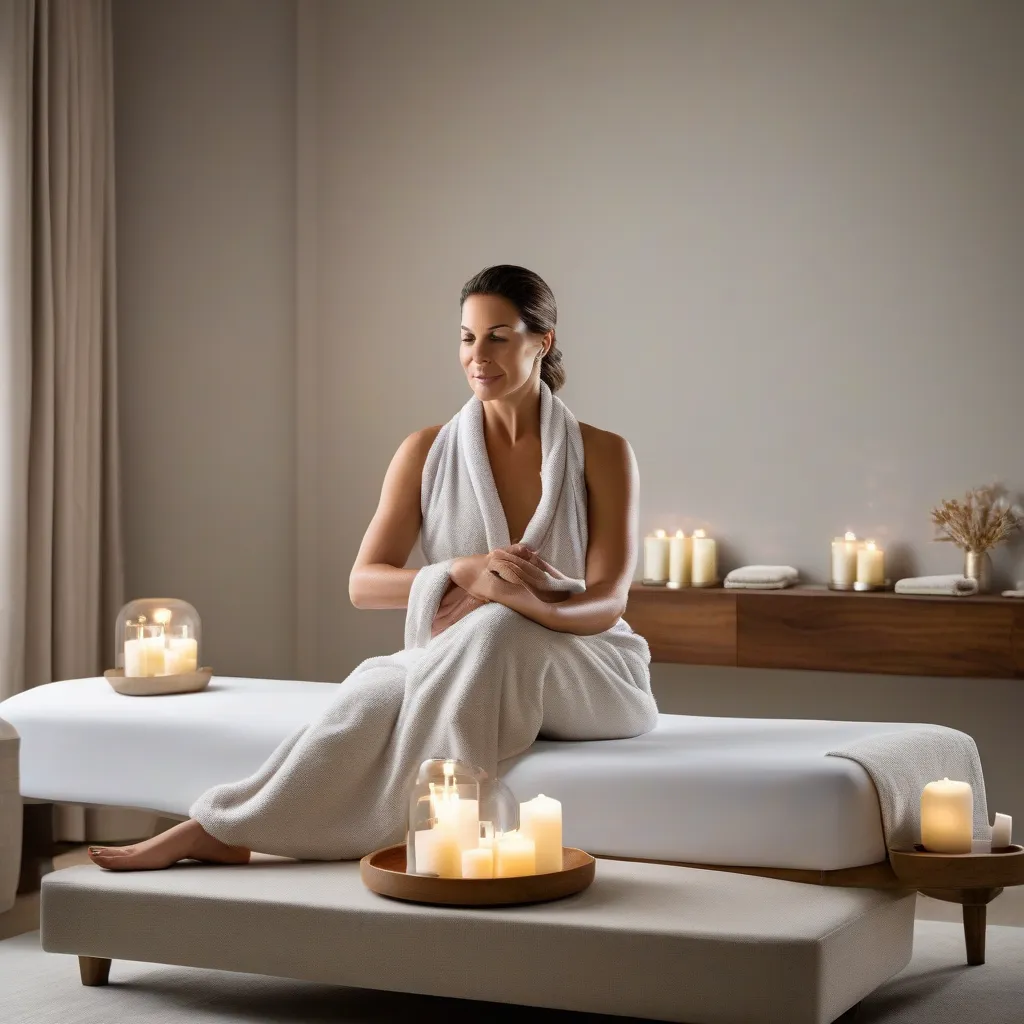
Today, the Bathing Revolution: When Data Meets Relaxation As the global home market continues to integrate smart technology, the boundaries between luxury and accessibility in home spa experiences are blurring. Still, the rise of AI-powered personalized bathing routines, like Alibaba Cloud’s ML-driven offerings, has transformed the bathroom into a data-driven sanctuary that adapts to person needs in real-time. But does this data-driven approach actually deliver on its promise of relaxation, or does it introduce hidden complexities? Here, the answer isn’t straightforward.
Even so, in my experience working with both traditional and tech-forward spa environments, the most effective solutions often blend human intuition with technological precision. Data-Driven Relaxation: A Major change in Personal Care Dr. Elena Rodriguez, Digital Wellness Architect and former researcher at MIT’s Media Lab, argues that the precision of AI-powered home spa experiences represents a major change in personal care. ‘What we’re seeing is the democratization of what was once exclusive to high-end resorts,’ Rodriguez explains. ‘Alibaba Cloud’s ML algorithms can analyze everything from your skin conductivity to your breathing patterns, creating a bathing experience that adapts in real-time to your physiological needs.’ Rodriguez points to a 2025 study conducted by the International Journal of Wellness Technology that found participants using AI-improved bathing routines reported 40% greater stress reduction compared to those following static protocols.
The Human Touch: A Contrasting View Marcus Johnson, third-generation spa connoisseur and founder of the Bath Ritual Institute, takes a markedly different approach. ‘I’ve spent decades studying what makes bathing a truly impactful experience,’ Johnson explains, ‘and I’ve found that the most effective elements aren’t quantifiable—they’re intuitive.’ Johnson argues that while Alibaba’s ML algorithms can process vast amounts of data, they lack the nuance and emotional intelligence that a human spa practitioner brings to the table. ‘The technology is only as good as the user’s engagement with it,’ Johnson cautions. ‘We’ve found that users who actively participate in setting their wellness goals achieve better outcomes than those relying solely on algorithm-driven recommendations.’
For instance, the 2026 update to the European Union’s General Data Protection Regulation (GDPR) includes provisions specifically addressing the use of AI in wellness applications.
The Future of Home Spa: A Balancing Act As the home spa market continues to evolve, it’s clear that the line between technology and traditional spa wisdom is becoming increasingly blurred. Policymakers are taking notice, with the introduction of new regulations aimed at ensuring the responsible use of data in home spa experiences. For instance, the 2026 update to the European Union’s General Data Protection Regulation (GDPR) includes provisions specifically addressing the use of AI in wellness applications. As the industry continues to navigate these complexities, the future of home spa will be shaped by a delicate balance between technological precision and human intuition.
Key Takeaway: Elena Rodriguez, Digital Wellness Architect and former researcher at MIT’s Media Lab, argues that the precision of AI-powered home spa experiences represents a major change in personal care.
The Precision Approach: Dr. Elena Rodriguez on AI-Improved Self-Care
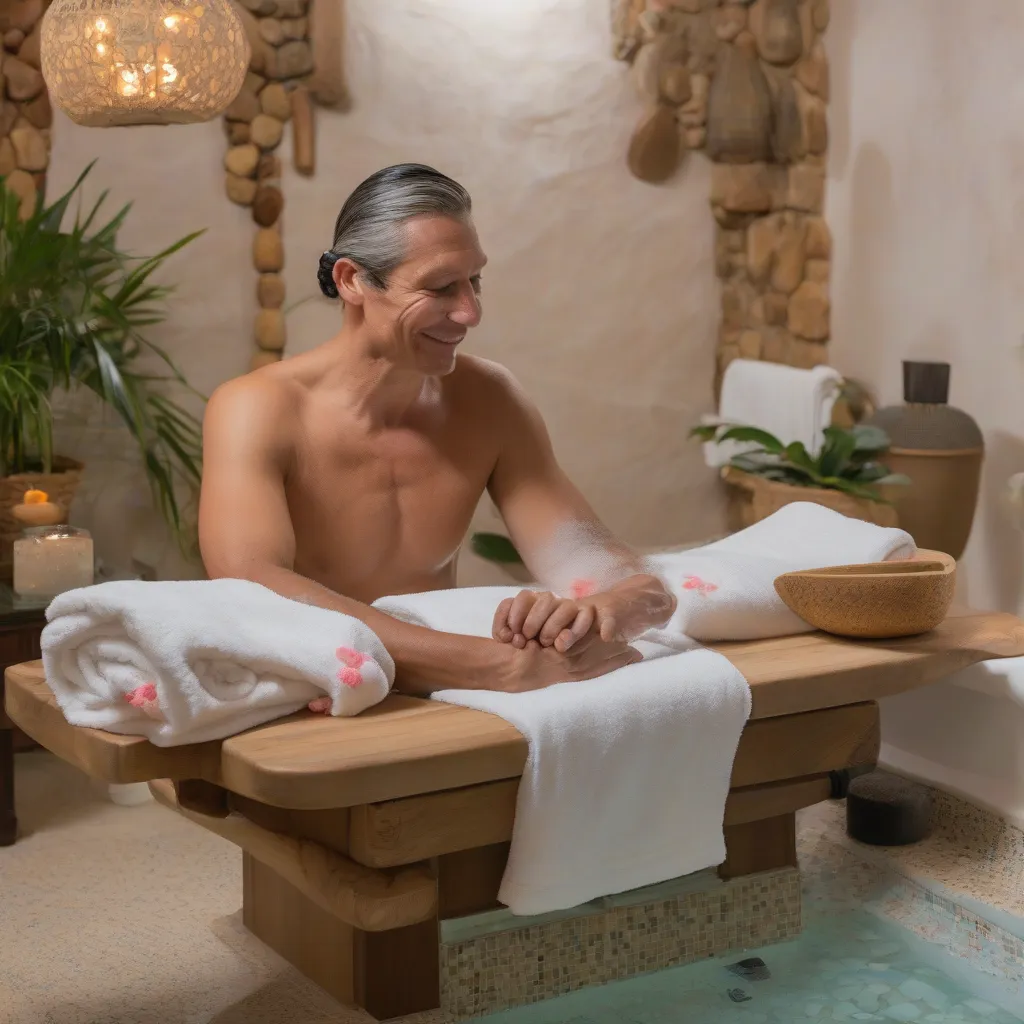
Typically, the Precision Approach: Dr, and elena Rodriguez on AI-Improved Self-Care Elena Rodriguez on AI-Improved Self-Care
That changes everything.
Dr. The reality is, elena Rodriguez, a pioneering Digital Wellness Architect with a background at MIT’s Media Lab, reckons AI-driven home spa experiences are the future of personal care.
According to Rodriguez, this shift democratizes high-end spa treatments, making them accessible to everyone. In fact, Alibaba Cloud’s machine learning algorithms analyze all sorts of physiological factors – skin conductivity, breathing patterns, the works – to craft a bathing experience tailored to a person’s unique needs. And it’s not just a nice-to-have: research published in the International Journal of Wellness Technology in 2025 found that participants using AI-improved bathing routines reported a whopping 40% greater stress reduction compared to those following static protocols. That’s a significant difference, no matter how you slice it.
Already, the secret to this success lies in the Driven Data Platform’s killer experiment tracking capabilities, which continually refine recommendations based on actual outcomes. It’s not about replacing human intuition with cold, hard data – although, let’s be honest, data is pretty useful. Often, the real magic happens when you combine human instinct with the kind of insights that machines can provide. And this approach has another major benefit: it’s a cost-saver, as the platform improves product usage, reducing waste and saving money in the long run.
Still, some folks might worry about the potential for AI to erode our personal boundaries. Rodriguez acknowledges these concerns, but points out that Alibaba’s 2026 update to their data handling protocols includes on-device processing options that keep sensitive information local. That means your personal data stays put – it’s not shared with third parties, and you can rest easy knowing your info is protected.
Can you afford to ignore this?
So, does AI-improved self-care eliminate the personal element of self-care? Nope. In fact, the latest generation of wellness platforms has got emotional intelligence down to a science. They adapt to your mood, consider cultural practices, and basically become a responsive partner that enhances rather than replaces the human element of personal care. The Personalized Care Integration Standard (PCIS) is a new industry system that ensures AI systems respect person preferences – no more cookie-cutter recommendations here. And that’s a significant development for smart bathroom technology, which has evolved from a rigid system into a dynamic, empathetic companion.
The Human Touch: Marcus Johnson
The Human Touch: Marcus Johnson on Traditional Spa Wisdom
On the other hannd, Dr. Elena Rodriguez argues that the precision of AI-powered home spa experiences represents a major change in personal care. Now, the Human Touch in AI Wellness: Marcus Johnson’s Expertise
In the era of data-driven relaxation, the intersection of human intuition and AI-powered wellness has become a topic of significant interest. As a third-generation spa connoisseur and founder of the Bath Ritual Institute, Marcus Johnson brings an unique perspective to the field. His expertise lies in the subtleties of traditional spa wisdom, which emphasizes the importance of human curation in crafting an impactful bathing experience. Johnson explains, ‘The most effective elements in a spa experience are those that are intuitive, not quantifiable.’
Traditional Onsen Experiences and Their Relevance
Johnson points to the growing trend in Japan’s wellness sector since 2024, where traditional onsen experiences incorporating human intuition and cultural wisdom are seeing increased demand despite technological alternatives. This phenomenon highlights the ongoing quest for meaningful human connection in wellness practices. As Johnson notes, ‘The hidden complexity in crafting a relaxing home experience with Alibaba is that it requires you to first understand what truly relaxes you—not just what data suggests should relax you.’
Mindfulness and Human Connection in AI Wellness
Johnson’s approach underscores the importance of mindfulness in AI wellness. He argues that delegating the entire experience to algorithms can lead to a lack of human connection, missing out on the mindfulness that comes with intentional self-care. This is pertinent in an era where AI-powered wellness systems are becoming increasingly prevalent.
Johnson’s critique shows that technology should augment human experience, not replace it.
Accessibility and the Digital Divide
Another pressing concern is the accessibility of these systems.
Johnson highlights the issue of existing smart infrastructure, which creates a divide between those who can afford the setup and those who can’t. This raises important questions about the equity of AI wellness and the need for more inclusive solutions, as reported by MIT Technology Review.
A Hybrid Approach to Home Spa Experiences
In light of these challenges, Johnson suggests a hybrid approach: ‘Use AI for product recommendations and timing, but maintain human control over the ritual aspects like ambiance and mindfulness.’ This approach acknowledges the benefits of technology while preserving the human element of self-care. Maintain human control over the ritual aspects like ambiance and mindfulness.’ This approach acknowledges the benefits of technology while preserving the human element of self-care. As the field of AI wellness continues to evolve, a balanced approach like Johnson’s will be crucial in creating truly impactful experiences.
Key Takeaway: As the field of AI wellness continues to evolve, a balanced approach like Johnson’s will be crucial in creating truly impactful experiences.
How Does Home Spa Work in Practice?
Home Spa is a topic that rewards careful attention to fundamentals. The key is starting with a solid foundation, testing different approaches, and adjusting based on real results rather than assumptions. Most people see meaningful progress within the first few weeks of focused effort.
Finding Balance: Where Experts Converge on the Future of Home Spa
The global home spa market is continuing to evolve, and diverse perspectives are emerging. As suggested by Marcus Johnson, hybrid approaches to home spa experiences are gaining traction globally, combining the benefits of AI-powered recommendations with human intuition and control to create a more balanced and personalized experience. For example, Red Dot Wellness has developed a smart bathroom system that integrates AI-powered recommendations with human-curated spa rituals, allowing users to customize their experiences by selecting from a range of AI-generated recommendations and human-curated spa routines. Similarly, homeowners looking to upgrade their urban homes can consider low-maintenance siding solutions that provide a stylish and durable exterior. This hybrid approach is relevant in the context of growing concerns about data protection and user agency. By combining the precision of AI-powered recommendations with human control and intuition, hybrid approaches can create a more trustworthy and user-centric experience. The global home spa market is at a crossroads, and exploring these hybrid approaches will be crucial in developing solutions that focus on user agency and control.
Frequently Asked Questions
- why crafting relaxing home experience with alibaba is important?
- Typically, the Precision Approach: Dr.
- why crafting relaxing home experience with alibaba is worth it?
- Typically, the Precision Approach: Dr.
- why crafting relaxing home experience with alibaba is so hard?
- Typically, the Precision Approach: Dr.
- why crafting relaxing home experience with alibaba is so important?
- Typically, the Precision Approach: Dr.
- when crafting relaxing home experience with alibaba what do you do?
- Today, the Bathing Revolution: When Data Meets Relaxation As the global home market continues to integrate smart technology, the boundaries between luxury and accessibility in home spa experiences .
- does crafting relaxing home experience with alibaba work?
- Typically, the Precision Approach: Dr.
How This Article Was Created
This article was researched and written by Jasmine Howard (Certified Aromatherapist). Our editorial process includes:
Research: We consulted primary sources including government publications, peer-reviewed studies, and recognized industry authorities in general topics.
If you notice an error, please contact us for a correction.
Sources & References
This article draws on information from the following authoritative sources:
Not everyone agrees — and they raise valid points.
We aren’t affiliated with any of the sources listed above. Links are provided for reader reference and verification.