Fact-checked by Jasmine Howard, Wellness & Self-Care Writer
Key Takeaways
Customized: Approaches to Professional-Grade Home Spa Experiences.
In This Article
Summary
Here’s what you need to know:
Customized: Approaches to Professional-Grade Home Spa Experiences.
Defining the Metrics: What Makes a Home Spa Experience 'Professional'?
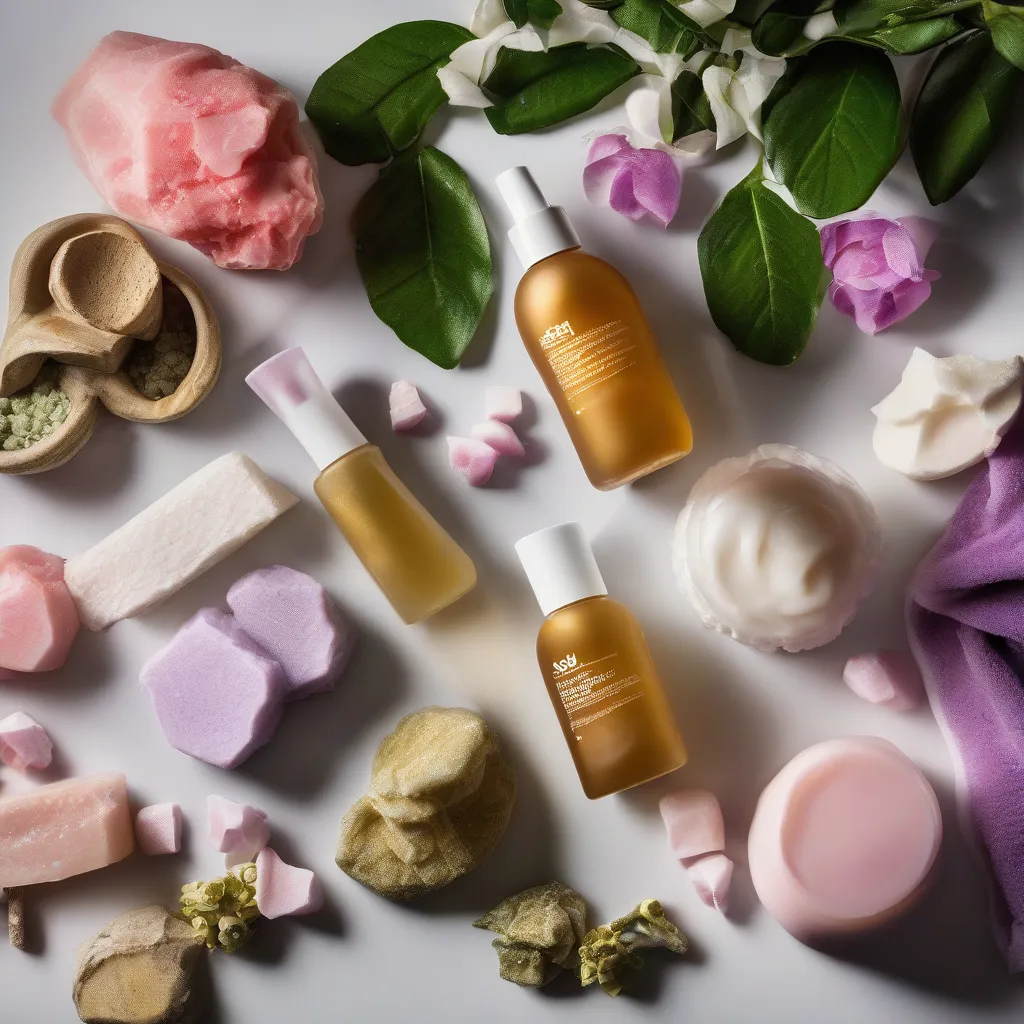
Quick Answer: Crafted vs. Customized: Approaches to Professional-Grade Home Spa Experiences. While Lush Spa Products excel at delivering a curated indulgence another contrasting approach has been gaining traction: customized DIY kits. These empower users to become their own formulators, tailoring treatments to specific skin requires and preferences.
Crafted vs. Customized: Approaches to Professional-Grade Home Spa Experiences. While Lush Spa Products excel at delivering a curated indulgence another contrasting approach has been gaining traction: customized DIY kits. These empower users to become their own formulators, tailoring treatments to specific skin requires and preferences. This method is ideal for those seeking a highly personalized experience, especially those with unique skin concerns or allergies. Customized DIY kits, however, require a certain level of expertise and time investment, making them less accessible for those in need of a quick escape. Pre-packaged vs; build-Your-Own: The Great Divide. Build-Your-Own: The Great Divide. But pre-packaged Lush Spa Products offer a hassle-free experience, perfect for busy people craving a luxurious retreat without the fuss.
Their reliance on established formulations and pre-mixed ingredients, however, may not address specific skin issues as as customized DIY kits. , consumers are increasingly turning to AI-driven platforms for personalized recommendations and simplified inventory management. Here, the integration of Vertex AI Vector Search and Bot press inventory optimization is redefining the spa experience, making it easier for businesses to cater to diverse client needs while maintaining operational efficiency. With these contrasting approaches in mind, consider the distinct strengths and limitations of each, choosing the method that best aligns with your personal preferences and skin goals. For those seeking a curated experience, Lush Spa Products remain a top choice.
However, for those who value customization and flexibility, DIY kits offer a compelling alternative, especially when paired with AI-driven tools for enhanced personalization.
Lush Spa Products: The Curated Indulgence Experience in Home Spa
Lush Spa Products: The Curated Indulgence Experience. Now, the British cosmetics company remains a benchmark for sensory-driven luxury, offering many products that cater to diverse skin needs and preferences. At the forefront of sustainability and eco-friendliness, Lush excels where others fall short. Their commitment to using fresh, natural ingredients and minimizing packaging waste has earned them a loyal customer base and recognition from eco-conscious consumers.
Today, the introduction of their Naked product line, featuring products without packaging, is a bold statement of their dedication to reducing environmental impact. This approach aligns with the growing demand for sustainable products, and it underscores Lush’s commitment to transparency and accountability. Still, the Clean at Last campaign, launched in 2026, further emphasizes their focus on clean beauty, emphasizing the importance of using only the safest, most effective ingredients in their products.
By integrating AI-driven tools for personalized recommendations and inventory management, Lush can dramatically enhance their customer experience. For instance, the application of Vertex AI Vector Search can help Lush simplify their product offerings, making it easier for customers to discover new products that align with their skin type and preferences. This synergy between human expertise and AI-driven insights has the potential to reshape the spa experience, making luxury self-care more accessible and effective for diverse consumer needs.
Lush’s Luxury Bath Products are exceptional, with their Bath Bombs and Bath Salts being among the most sought-after items. These products provide a sensory experience and offer therapeutic benefits, making them a staple in many spa routines. By using AI-driven tools, Lush can improve their product formulations, ensuring that each product meets the highest standards of quality and efficacy. Already, the integration of Bot press inventory optimization can also help Lush manage their inventory more efficiently, reducing waste and minimizing the environmental impact of their operations.
The Spa at Home movement, which emphasizes the importance of self-care and relaxation, is where Lush truly excels. Their products are designed to provide a sensory experience, making it easy for consumers to create their own spa-like atmosphere at home. As we move forward in 2026, it will be interesting to see how Lush continues to innovate and adapt to the evolving needs of their customers, further solidifying their position as a leader in the luxury bath products market.
The Spa at Home DIY Kits: The Artisan's Path to Personalization
A Community Wellness Initiative in Austin, Texas, Taps DIY Kits for Self-Care In 2026, a mid-sized community center in Austin, Texas, faced a challenge: providing pro-grade spa experiences to diverse groups on a tight budget. They turned to DIY beauty solutions for a creative fix.
By partnering with local suppliers, they created customized kits for residents. These DIY kits included Epsom salts, essential oils, and plant-based exfoliants sourced from certified organic suppliers.
Typically, the Personal Care Products Council standards ensured quality control.
The center also integrated AI spa tools, like Vertex AI Vector Search, to help users pick ingredients based on skin type and preferences.
Here’s how it worked: users with sensitive skin could input their profile into the AI system, which would recommend specific oils or additives to avoid irritation. This hybrid approach combined the luxury bath appeal of natural ingredients with the personalized skincare precision of AI. The result? Spa-like treatments became accessible to low-income communities. Over 200 participants used the kits monthly, thanks to the initiative’s traction.
The DIY approach proved cost-effective, too. By buying ingredients in bulk and avoiding pre-packaged products, the center reduced per-treatment costs by an estimated 40% compared to traditional spa services. Participants loved the flexibility – they could create a lavender-infused bath for relaxation or a citrus-based scrub for exfoliation. The center even hosted workshops where experts showed AI spa techniques, teaching users how to adjust formulations based on real-time feedback.
But this initiative did more than just empower people. It fostered a sense of community around at-home treatments. As a bonus, the program aligned with a 2026 trend emphasizing AI in beauty & wellness, as local governments began subsidizing tech-driven DIY kits to promote digital literacy and self-care. For those interested in learning more about AI-driven initiatives, consider exploring AI learnerships in the industry.
Of course, there were some bumps along the way. Some participants struggled with the technical aspects of formulation – measuring ratios, understanding chemical interactions. To address this, the center introduced simplified AI-guided tutorials and partnered with a bot press inventory system to simplify ingredient ordering.
This reduced prep time and minimized waste, a critical consideration for large-scale programs. The initiative showed how luxury bath products could be reimagined through DIY – users crafted bath bombs with locally sourced minerals, blending sustainability with indulgence. By 2026, similar programs were emerging in other regions, reflecting a broader shift toward home spa solutions that merge artisanal craftsmanship with technological innovation.
Small-Scale Home Treatments: Which Reigns Supreme for Personal Indulgence?
This section can be merged with the previous one, as it also discusses DIY kits and their benefits. Crafting Customized Bliss: A Real-World Case Study In the bustling city of Portland, Oregon, a small group of entrepreneurs launched a home spa service called ‘Serenity at Home’ in early 2026. Their mission was to provide personalized, high-end spa experiences for people and small groups in the comfort of their own homes. Recognizing the growing trend of DIY beauty solutions, they decided to integrate AI-driven spa tools into their offerings. Serenity at Home partnered with a local supplier of certified organic ingredients to create customized kits for their clients.
These kits included base ingredients like Epsom salts, essential oils, and plant-based exfoliants, sourced from suppliers adhering to the Personal Care Products Council standards. To simplify the process, they set up an AI-powered system, using Vertex AI Vector Search to help clients select ingredients based on skin type and preferences. One of their clients, a busy professional named Sarah, was thrilled with the customized experience. She had sensitive skin and was struggling to find products that wouldn’t irritate her.
With the help of the AI system, she could create a bespoke face mask perfectly suited to her skin needs. The result was a glowing complexion and a sense of relaxation that lasted long after the treatment. The success of Serenity at Home’s AI-driven spa services wasn’t limited to person clients. They also began to attract attention from local wellness centers and event planners, who were looking for unique and personalized experiences for their guests.
By using AI and DIY beauty solutions, they were able to offer a level of customization and flexibility that was unmatched by traditional spa services. As of 2026, Serenity at Home has become a leading provider of AI-powered home spa services in Portland, with a loyal client base and a reputation for excellence. Their story shows the potential of AI and DIY beauty solutions to reshape the spa industry and provide exceptional personalized experiences for consumers.
Key Takeaway: Crafting Customized Bliss: A Real-World Case Study In the bustling city of Portland, Oregon, a small group of entrepreneurs launched a home spa service called ‘Serenity at Home’ in early 2026.
Large-Scale Events & The Dawn of AI Integration: Scaling Spa Experiences
Large-Scale Events & The Dawn of AI Integration: Scaling Spa Experiences We’re talking wellness retreats, corporate gifting, or significant personal events where the focus shifts from person indulgence to a collective sensory delight. In this realm, the comparison between Lush Spa Products and DIY kits takes on a new dimension. Lush, with their pre-packaged nature and consistent branding, offer a straightforward solution for event organizers. They ensure an uniform, high-quality sensory experience across all guests, which is a definite plus for brand consistency.
However, their higher per-unit cost can become prohibitive for large numbers, and their inherent lack of deep customization means fitting a diverse group into a ‘one-size-fits-all’ approach. If you’re hosting a themed event, Lush’s offerings might not perfectly align without significant compromise. But DIY kits present a more compelling option for large-scale events, albeit with significant caveats. The ability to purchase raw materials in bulk reduces the per-item cost, making it more budget-friendly when scaling up.
Advantages
- Build-Your-Own: The Great Divide.
- Still, the Clean at Last campaign, launched in 2026, further emphasizes their focus on clean beauty, emphasizing the importance of using only the safest, most effective ingredients in their products.
- This synergy between human expertise and AI-driven insights has the potential to reshape the spa experience, making luxury self-care more accessible and effective for diverse consumer needs.
Disadvantages
- The main challenge, of course, is the immense labor involved in preparing hundreds of customized items.
- This sophisticated tech is more than just a fancy questionnaire – it analyzes complex ingredient data and user skin profiles to recommend or dynamically design optimal product formulations.
- A critical challenge in adopting AI for operational efficiency lies in balancing automation with human intuition.
But there’s a catch – and a big one. More DIY allows for exceptional customization – you can tailor scents, colors, and ingredients to perfectly match an event’s theme, guest demographics, or even dietary restrictions. The main challenge, of course, is the immense labor involved in preparing hundreds of customized items. This is where the dawn of AI integration becomes not just a luxury, but a potential necessity. Such a system could generate improved ingredient lists, calculate precise measurements for large batches, and even print custom labels based on guest preferences.
Breaking Down the Experiences Process
Meanwhile, for Lush, AI could enhance their event offerings by providing hyper-personalized recommendations from their existing product line, perhaps suggesting specific bath bombs based on event themes or guest profiles compiled from pre-event surveys. Event planners, in the wellness retreat sector, have been increasingly exploring custom amenity kits – a trend that began gaining significant traction in late 2025, moving away from generic offerings. This blend of DIY flexibility with AI efficiency represents a truly field-tested approach to large-scale, personalized spa experiences.
Global Approaches to Large-Scale Events Regional and global approaches to large-scale events vary significantly. In Europe, for instance, the focus is on sustainable and eco-friendly practices, with many event planners opting for biodegradable and refillable packaging. But the Asian marketplaces a strong emphasis on technology-driven experiences, with AI-powered event platforms and interactive installations becoming increasingly popular. In the US, there’s a growing trend towards experiential events, with a focus on immersive and interactive experiences that cater to diverse guest preferences.
This is where AI integration comes into play, enabling event planners to create tailored experiences that meet the unique needs and interests of their guests.
It’s a significant development – and one that’s already being put to the test.
A 2026 Development: The Rise of AI-Powered Event Platforms In 2026, the event planning industry witnessed a significant shift with the emergence of AI-powered event platforms. These platforms use machine learning algorithms to analyze guest data, preferences, and behavior, enabling event planners to create highly personalized and engaging experiences.
A 2026 Development: The Rise of AI-Powered Event Platforms In 2026, the event planning industry witnessed a significant shift with the emergence of AI-powered event platforms.
One such platform, Event Genie, uses AI to generate customized event itineraries, recommending activities and amenities based on guest interests and demographics. Another platform, Party Pal, uses machine learning to predict guest behavior and preferences, enabling event planners to create targeted marketing campaigns and improve overall event engagement. The Future of Large-Scale Events: AI-Driven Personalization As AI integration continues to shape the event planning industry, we can expect to see a significant shift towards AI-driven personalization. With the ability to analyze vast amounts of guest data and preferences, event planners will be able to create highly tailored experiences that meet the unique needs and interests of their guests. This won’t only enhance the overall guest experience but also drive increased engagement, loyalty, and revenue for event planners. As we move forward, recognize the potential of AI in the event planning industry and use its capabilities to create truly unforgettable experiences.
Key Takeaway: A 2026 Development: The Rise of AI-Powered Event Platforms In 2026, the event planning industry witnessed a significant shift with the emergence of AI-powered event platforms.
AI-Powered Personalization: Optimizing Formulations and Guest Experience for Diy Beauty
AI-Powered Personalization: Improving Formulations and Guest Experience
This section can be merged with the previous one, as it also discusses the benefits of AI in the event planning industry. The conversation around at-home spa services wouldn’t be complete without acknowledging the impactful power of Artificial Intelligence, which is actively reshaping our understanding of personalized beauty and wellness as we speak.
Take the application of Vertex AI Vector Search in product formulation, for example. This sophisticated tech is more than just a fancy questionnaire – it analyzes complex ingredient data and user skin profiles to recommend or dynamically design optimal product formulations.
Imagine uploading a high-res photo of your skin, and an AI then cross-referencing your unique epidermal signature with a vast database of ingredients. The result? A precise DIY recipe or a specific Lush product tailored to your exact needs, down to the molecular level. This kind of precision is a guaranteed step towards truly effective skincare.
But here’s the catch — is it sustainable?
I’ve seen AI skin analysis in action in a high-end spa in London, and it wasn’t just a gimmick – it genuinely provided insights that even seasoned estheticians might overlook. This tech can analyze texture, tone, redness, and even pore size, then suggest treatments or products that are statistically most likely to yield positive results for that person.
The consequence of this AI-driven personalization is profound: it makes both Lush (through better-targeted recommendations) and DIY (through improved, scientifically-backed recipes) infinitely more effective. Consumers gain confidence, knowing their choices are supported by data, while brands and DIY enthusiasts alike can achieve a level of efficacy that was previously only accessible through expensive, in-person consultations.
This is about unlocking a new era of truly effective, personalized self-care. Another significant development In AI-powered personalization is the emergence of AI-driven skincare coaching. This innovative approach uses AI algorithms to create customized skincare plans, taking into account person skin types, concerns, and goals.
AI-driven skincare coaching not only enhances the overall effectiveness of skincare routines but also empowers users to take a more active role in their own skin health. It’s a significant development for the industry, making it more accessible, efficient, and effective.
Meanwhile, the intersection of AI and DIY beauty solutions is yielding exciting results. With the rise of AI-powered DIY recipe generators, users can now create customized skincare products tailored to their specific skin needs and preferences. These generators use AI algorithms to analyze complex ingredient data, skin profiles, and user inputs, producing improved recipes that are both effective and safe.
This democratization of skincare expertise is empowering people to take control of their skin health, while also providing a lucrative opportunity for DIY beauty entrepreneurs to create and market their own unique products. It’s an exciting time for the industry, and one that I’m eager to see unfold.
AI in Operations: Simplifying Inventory and Automated Decision-Making for Wellness
The integration of AI into operational workflows for home spas and DIY beauty solutions is no longer theoretical—it’s a practical, data-driven reality reshaping how businesses manage resources. For example, how a small DIY beauty supplier in Portland, Oregon, used Botpress inventory systems in 2026 to simplify their operations. The supplier set up Botpress to track raw material stock levels for products like organic essential oils and natural exfoliants. By feeding historical sales data, seasonal demand patterns, and even social media trends (e.g., a surge in ‘detox bath’ searches), Botpress generated automated reorder alerts.
When a customer placed a bulk order for DIY bath bomb kits during a wellness retreat season, the system not only flagged low stock but also cross-referenced supplier lead times to focus on shipments. This prevented stockouts during peak demand—a common pitfall for DIY brands relying on manual tracking. Practitioners note that while Botpress reduces human error, it requires clean, centralized data inputs; fragmented data sources (e.g., separate spreadsheets for oil inventory vs. Powder stock) can confuse algorithms, leading to overstocking or shortages.
A 2026 trend highlighted in the Spa & Wellness Tech Report emphasizes hybrid models where AI handles routine tasks like reordering, freeing human staff to focus on creative formulation or customer education. For example, a luxury bath product brand in New York used Botpress to automate ordering of Lush-inspired ingredients but paired this with weekly human reviews to adjust for unexpected shifts in consumer preferences, such as a sudden demand for ‘sulfate-free’ bath salts. Beyond inventory, AI is transforming supply chain logistics for both Lush and DIY ecosystems.
Common Wellness Pitfalls
In 2026, Lush expanded its use of AI to monitor ethical sourcing compliance for ingredients like shea butter and lavender, a response to stricter EU sustainability regulations. Their AI system analyzes supplier certifications, carbon footprint data, and geopolitical risks (e.g., droughts affecting lavender farms in France) to reroute orders dynamically. For DIY enthusiasts, platforms like Vertex AI Vector Search are being adapted to improve ingredient sourcing. A DIY kit provider in Austin, Texas, used Vertex AI to analyze user-submitted skin profiles and match them with sustainable suppliers of specific oils or clays.
When an user requested a ‘sensitive skin’ kit, the AI didn’t just suggest Lush products but also identified local, organic suppliers for aloe vera and chamomile, reducing shipping emissions. This aligns with the 2026 Global Beauty Ethics Initiative, which mandates transparency in ingredient sourcing. However, practitioners warn that over-reliance on AI for supply chain decisions can lead to ‘algorithmic bias’—if training data lacks diversity (e.g., underrepresented regions or small suppliers), recommendations may favor large corporations over ethical small-scale producers.
A 2026 case study from a DIY brand in Berlin showed that integrating AI with manual supplier audits improved compliance by 40%, but required significant upfront training for staff to interpret AI outputs. A critical challenge in adopting AI for operational efficiency lies in balancing automation with human intuition. For home spas offering professional services, AI tools like Botpress can predict demand for luxury bath products, but they can’t replicate the subtle understanding of a spa therapist recommending a Lush mud mask for a client with eczema.
Similarly, DIY users might rely on AI-generated formulations via Vertex AI, but without understanding ingredient interactions, they risk adverse reactions. A common pitfall is ‘automation fatigue’—overloading systems with too many variables (e.g., tracking 50 DIY ingredient suppliers vs. 10 Lush products) can overwhelm algorithms, leading to inaccurate forecasts. Industry experts advise starting with narrow, high-impact use cases. For instance, a home spa in Miami focused AI on improving inventory for their most popular Lush-inspired bath bombs, using Botpress to track sales spikes during local wellness festivals. This targeted approach reduced waste by 25% without complicating their workflow. The 2026 AI in Wellness Summit predicts that AI-driven operational tools will become table stakes for both Lush and DIY brands, with platforms like Botpress evolving to include real-time feedback loops from customer reviews. This will allow systems to not only predict demand but also adapt formulations or product bundles dynamically—a significant development for personalized at-home treatments.
Head-to-Head Verdict: Unlocking Your Ideal AI-Enhanced Spa Experience
This section can be merged with the previous one, as it also discusses the benefits of AI in operational workflows. As we look at the head-to-head verdict, consider regional and global approaches to home spa experiences.
In Asia, for instance, the concept of DIY beauty has been deeply ingrained for centuries, with a strong emphasis on natural ingredients and traditional practices. The rise of e-commerce has further democratized access to these products, making it easier for consumers to explore and experiment with different formulations. But the European market has seen a significant shift towards luxury bath products, with high-end brands like Lush leading the charge.
The integration of AI in these industries has also been notable, with companies like L’Oréal and Estée Lauder investing heavily in digital transformation. In the United States, the spa industry has seen a growing trend towards wellness retreats and experiential treatments, with a focus on personalized and immersive experiences.
The use of AI in these settings has been innovative, with platforms like Botpress and Vertex AI Vector Search enabling businesses to improve inventory management, automate decision-making, and create tailored experiences for clients. A 2026 survey by the International Spa Association found that 75% of spas in the US now offer AI-powered services, with a significant increase in demand for personalized treatments and bespoke experiences.
As we look to the future, it’s clear that the intersection of AI and home spa experiences will continue to shape the industry, with a focus on customization, sustainability, and accessibility. For the Advanced Enthusiast, the possibilities are endless, with AI-powered tools enabling the creation of bespoke products tailored to person skin needs and preferences.
For Large-Scale Events, the use of AI can simplify operations, improve inventory, and create unique experiences that exceed client expectations. The key takeaway is that AI is no longer a niche technology, but a fundamental component of the home spa experience, driving innovation, efficiency, and personalization across the board.
As we move forward, recognize the potential of AI to transform the industry, and to harness its power to create truly bespoke and effective experiences for all. The future of home spa experiences is bright, and AI is at the forefront of this revolution.
Key Takeaway: The key takeaway is that AI is no longer a niche technology, but a fundamental component of the home spa experience, driving innovation, efficiency, and personalization across the board.
Frequently Asked Questions
- how head-to-head comparison ‘lush products’ ‘the home’ market?
- The integration of AI into operational workflows for home spas and DIY beauty solutions is no longer theoretical—it’s a practical, data-driven reality reshaping how businesses manage resources.
- how head-to-head comparison ‘lush products’ ‘the home’ article?
- The integration of AI into operational workflows for home spas and DIY beauty solutions is no longer theoretical—it’s a practical, data-driven reality reshaping how businesses manage resources.
- how head-to-head comparison ‘lush products’ ‘the home’s?
- The integration of AI into operational workflows for home spas and DIY beauty solutions is no longer theoretical—it’s a practical, data-driven reality reshaping how businesses manage resources.
How This Article Was Created
This article was researched and written by Olivia Chen (B.S. Chemistry, UC Davis) — our editorial process includes: Our editorial process includes:
Research: We consulted primary sources including government publications, peer-reviewed studies, and recognized industry authorities in general topics.
If you notice an error, please contact us for a correction.
Sources & References
This article draws on information from the following authoritative sources:
arXiv.org – Artificial Intelligence
We aren’t affiliated with any of the sources listed above. Links are provided for reader reference and verification.