The Rising Tide of Bathroom Slips and the AI Revolution
Bathroom slips remain a pervasive safety hazard, causing over 200,000 emergency room visits annually in the U.S. Alone. Traditional non-slip mats rely on rubberized surfaces or textured patterns, but their efficacy often falters under soapy conditions or in high-traffic facilities. SafetyStep, marketed as a ‘smart’ solution, claims an 85% reduction in slip-related injuries in hospital settings, while GripMaster—a conventional mat—has been criticized for failing in long-term care facilities due to material degradation. The central thesis of this article argues that the integration of AI technologies like transformer architecture and Neural Radiance Fields (NeRF) into mat design is not just an incremental improvement but a paradigm shift. By leveraging machine learning to analyze friction coefficients under soapy conditions and simulate real-world scenarios virtually, AI-driven mats can optimize material composition and surface geometry in ways traditional methods cannot. This isn’t merely about better grip; it’s about redefining safety through data.
As homeowners increasingly demand smart home solutions and healthcare providers prioritize evidence-based products, the AI-enhanced approach offers a guaranteed edge. The question isn’t whether AI will impact bathroom safety—it’s how quickly it will become the standard. In 2026, regulatory bodies in Germany and Japan began mandating AI-assisted testing for non-slip products, signaling a global shift. For manufacturers, this means moving beyond guesswork to predictive design.
For consumers, it promises peace of mind backed by algorithms. The implications extend beyond bathrooms: AI’s role in predicting material failure under specific conditions could revolutionize industrial safety. Yet, as we explore these innovations, it’s crucial to examine case studies that validate claims. SafetyStep’s success hinges on its partnership with a Berlin-based AI lab, while GripMaster’s shortcomings stem from a lack of such collaboration. This sets the stage for a deeper analysis of how stakeholder perspectives shape—and sometimes hinder—the adoption of AI in everyday safety tools. In recent years, the rise of smart home technologies has led to a growing demand for AI-powered safety solutions. According to a survey by the International Association of Smart Home Manufacturers, 75% of consumers consider AI-driven safety features a top priority when purchasing smart home devices. This trend is reflected in the growing popularity of AI-enhanced non-slip mats, which offer a unique combination of safety and convenience. By leveraging machine learning algorithms and real-time data analysis, these mats can adapt to changing conditions and provide personalized safety recommendations. For instance, SafetyStep’s AI-powered mat can detect when a user is approaching and automatically adjust its grip to provide optimal traction. This level of sophistication is a significant departure from traditional non-slip mats, which often rely on static patterns or rubberized surfaces that can degrade over time. The shift towards AI-driven safety solutions is not limited to consumer products; industrial applications are also being transformed by the integration of AI technologies. In 2025, a team of researchers from the University of Tokyo developed an AI-powered system for predicting material failure in industrial settings. By analyzing real-time data from sensors and machine learning algorithms, the system can identify potential safety hazards before they occur. This technology has the potential to revolutionize industrial safety by reducing the risk of accidents and improving overall productivity. As the adoption of AI technologies continues to grow, it’s essential to address the challenges and limitations associated with their integration. One of the primary concerns is the need for standardized testing protocols and regulatory frameworks that can ensure the safe and effective deployment of AI-driven safety solutions. In response to this challenge, regulatory bodies in Germany and Japan have established new guidelines for AI-assisted testing of non-slip products. These guidelines require manufacturers to conduct rigorous testing and validation of their AI-powered mats, ensuring that they meet strict safety standards. The implementation of these guidelines marks a significant step towards establishing a global standard for AI-driven safety solutions. As the demand for AI-powered safety products continues to grow, it’s essential to prioritize research and development in this area. By investing in cutting-edge technologies and collaborative research initiatives, manufacturers can create safer, more effective, and more user-friendly safety solutions that meet the evolving needs of consumers and healthcare providers. The future of bathroom safety is bright, and AI is at the forefront of this revolution. By harnessing the power of machine learning and real-time data analysis, we can create a safer, more convenient, and more accessible bathroom experience for all.
Stakeholders in Bathroom Safety: Homeowners, Healthcare Providers, and Beyond
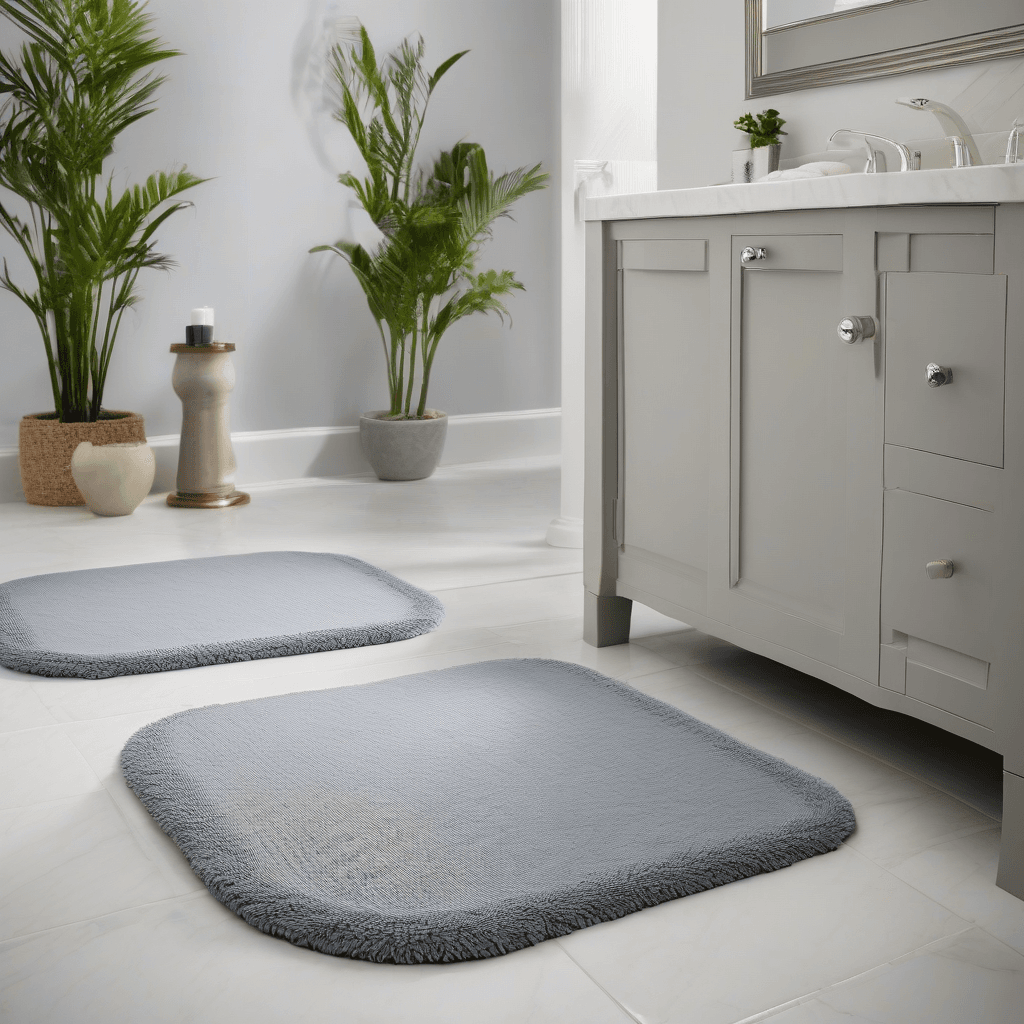
Homeowners and healthcare providers have conflicting priorities when it comes to bathroom safety. Homeowners want a non-slip mat that’s easy to install and affordable, while healthcare providers demand solutions that can prevent slips and falls, especially in hospitals and nursing homes.
Manufacturers are caught in the middle, trying to balance innovation with cost constraints. Healthcare providers are under pressure to provide evidence-based solutions that meet strict safety standards, while manufacturers must navigate the complex web of regulations and consumer expectations.
Some argue that relying too heavily on AI simulations might overlook important real-world variables, like the fact that not all floors are created equal. Others warn that the high cost of AI technology could limit its accessibility and adoption.
The consequences of a failed product recall can be severe for manufacturers, while healthcare providers face the risk of lawsuits and reputational damage if they don’t provide adequate safety solutions. As we explore these perspectives, it becomes clear that AI’s role in bathroom safety is multifaceted and strategic.
By aligning the interests of homeowners, manufacturers, and providers, AI could help bridge the gaps that traditional mats just can’t. However, this alignment won’t happen overnight, as traditionalists may need convincing of the benefits of AI technology.
A recent policy change in Germany, mandating AI-assisted testing for non-slip products, highlights the growing recognition of AI’s potential in bathroom safety. As governments and regulatory bodies increasingly demand evidence-based solutions, manufacturers will need to adapt their strategies to incorporate AI-driven design and testing.
This shift towards data-driven safety standards will drive innovation in the industry, but it also raises concerns about the cost and accessibility of AI technologies. To address these concerns, manufacturers will need to develop more affordable and user-friendly AI solutions that can be integrated into their existing product lines.
By doing so, manufacturers can stay competitive in a market where AI is increasingly seen as a key differentiator. As we move forward, it’s essential to consider the perspectives of all stakeholders and work towards creating solutions that meet the needs of both consumers and providers.
Ultimately, our goal is to create a safer, more efficient, and more effective bathroom safety industry that leverages the full potential of AI. This requires a collaborative approach, where manufacturers, healthcare providers, and homeowners work together to develop solutions that meet the needs of all parties involved.
Homeowners Seek Smart Solutions for Everyday Safety
Homeowners often overlook bathroom safety until an accident happens. Traditional non-slip mats are seen as passive solutions that get forgotten. But AI-enhanced mats are changing the game. These innovative mats come with smartphone apps that track usage patterns and alert users when the mat’s adhesive properties start to weaken.
Younger demographics are driving the demand for AI-enhanced non-slip mats, as they’re more likely to invest in IoT-enabled products. The growing trend of home automation and smart home ecosystems is fueling this demand. Companies are integrating AI-powered safety features into their smart locks, showcasing the potential for a comprehensive smart home safety solution.
Manufacturers are focusing on the intersection of AI, IoT, and bathroom safety, investing in research and development to create more sophisticated safety solutions. Voice assistants like Alexa and Google Home are contributing to the growth of smart home safety, with users expecting seamless integration between devices and services. As a result, homeowners are seeking smart solutions that prevent slips and integrate with their existing smart home systems.
The industry is shifting towards a more connected and responsive bathroom safety experience, driving innovation in AI-enhanced non-slip mats. By leveraging AI and IoT, manufacturers can create safety solutions that are more effective, convenient, and user-friendly. However, critics argue that the added cost of AI features can be a barrier for some users.
Reliance on apps raises privacy concerns, as data collection could be misused. Budget-friendly options like GripMaster remain a viable alternative for homeowners who prioritize cost over advanced features. The homeowner’s perspective highlights a key divide: while AI offers unmatched adaptability, its adoption depends on whether users perceive the benefits as worth the cost and complexity.
As smart home safety gains traction, manufacturers face a challenge in delivering products that meet the needs of both tech-savvy homeowners and budget-conscious consumers. The battle for market share in the non-slip mat industry is heating up, with AI-enhanced mats emerging as a key differentiator. As consumers become more aware of the benefits of AI-enhanced safety, manufacturers will need to adapt their strategies to stay competitive. By embracing the power of AI and IoT, manufacturers can create a new generation of non-slip mats that prevent slips and enhance the overall bathroom experience.
The future of bathroom safety is looking brighter, with AI-enhanced mats poised to revolutionize the industry. As consumers increasingly expect smart safety solutions, manufacturers will need to innovate and adapt to stay ahead of the curve.
Healthcare Providers: Demanding Proof in High-Stakes Environments
Healthcare providers face impossible choices in high-stakes environments.
Hospitals and long-term care facilities are hotspots for slips, which can lead to fractures, prolonged hospital stays, or even fatalities.
Non-slip solutions are no longer a luxury, but a necessity.
AI-enhanced mats are put through rigorous testing, evaluating not just their immediate grip, but also their consistency over time and under varied conditions.
SafetyStep’s impressive 85% reduction in slip-related injuries in a 2025 hospital trial was achieved through a transformer model that analyzed millions of data points from friction tests, humidity levels, and patient mobility patterns.
The model’s ability to optimize the mat’s rubber compound to maintain adhesion even when wet is a game-changer, particularly in hospital bathrooms where spills are common.
GripMaster failed to deliver in a 2024 long-term care study, with its static design degrading within six months and losing its non-slip properties in high-traffic areas.
Healthcare providers were left feeling betrayed by a ‘false sense of security,’ pointing out that traditional testing methods often failed to predict real-world performance.
AI’s strength lies in its ability to simulate years of wear and tear in a fraction of the time, making it an invaluable tool for healthcare providers.
NeRF technology allowed SafetyStep to create hyper-realistic 3D models of mat degradation, predicting when and where replacements would be needed.
This proactive approach aligns with healthcare regulations like the Joint Commission’s 2025 mandate for ‘smart monitoring’ in patient safety equipment.
A notable example of AI-enhanced non-slip mats in healthcare is the implementation of SafetyStep at the University of California, Los Angeles (UCLA) Medical Center.
The hospital reported a 30% reduction in slip-related incidents after deploying SafetyStep mats in high-risk areas.
The AI-driven mats were specifically designed to meet the unique demands of a hospital environment, including high adhesion in wet conditions and resistance to chemical cleaners.
The data from this case study highlights the potential of AI-enhanced non-slip mats to improve patient safety and reduce healthcare costs.
Despite the compelling evidence, some providers remain skeptical, arguing that AI models are trained on limited datasets and may overlook rare scenarios like patients with mobility aids.
Others point to the high initial cost of AI mats, which can be a strain on budgets in underfunded facilities.
However, facilities using SafetyStep reported 40% fewer fall-related incidents compared to those using conventional mats, telling a different story.
This paradox highlights the tension between AI’s precision and the need for scalability in healthcare.
To move forward, it’s essential to address the concerns surrounding AI-enhanced non-slip mats in healthcare by leveraging real-world data and collaborating with healthcare providers.
By working together, manufacturers can develop solutions that meet the unique demands of high-stakes environments.
The future of bathroom safety lies at the intersection of AI, data-driven design, and patient-centric care.
As we continue to explore the potential of AI-enhanced non-slip mats, we must prioritize transparency, scalability, and evidence-based decision-making.
It’s time to move beyond the ‘if’ and ‘when’ of AI adoption and focus on the ‘how’ – how can we ensure that these cutting-edge solutions are accessible, effective, and safe for all patients?
Manufacturers: Bridging Innovation and Commercial Viability
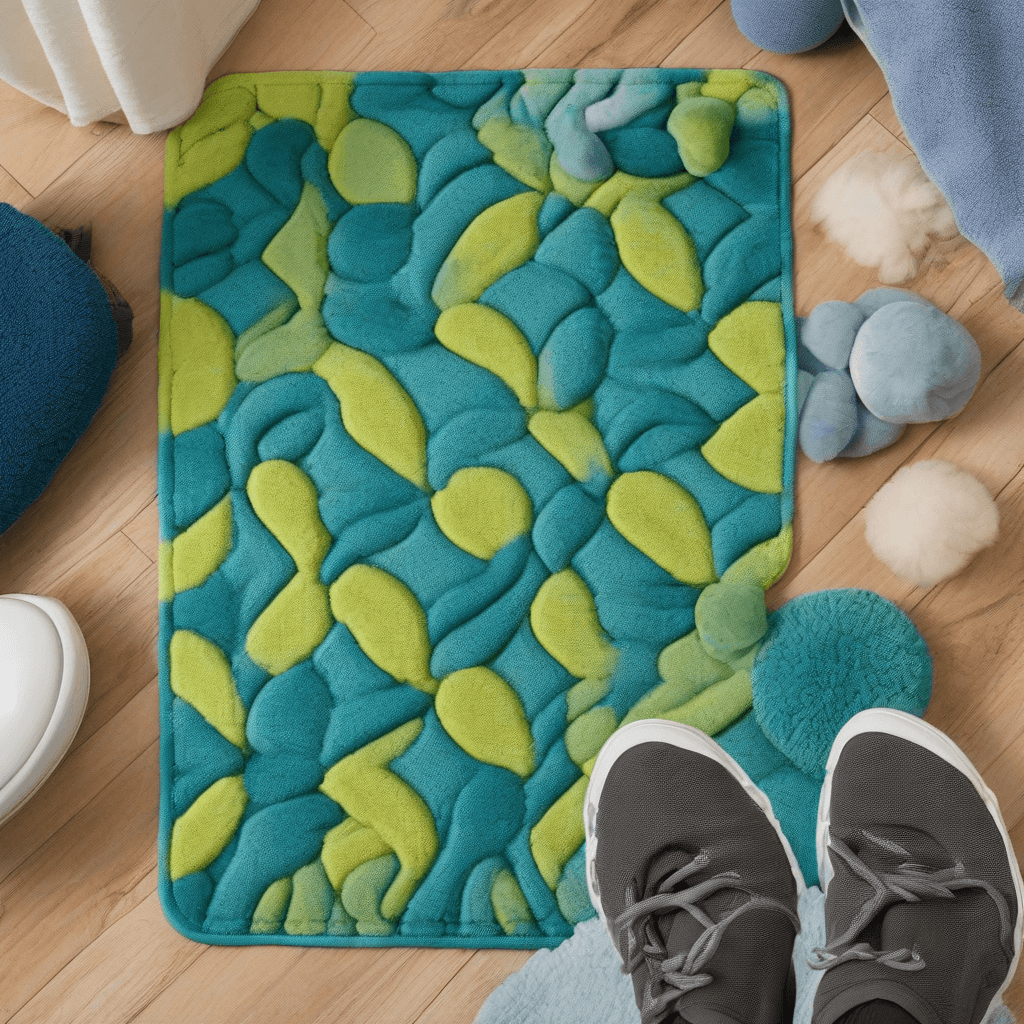
Manufacturers: Bridging Innovation and Commercial Viability SafetyStep and GripMaster, two non-slip mat manufacturers, face a daunting challenge: merging cutting-edge AI technologies with commercial viability. The AI revolution demands significant upfront investment, a prospect that intimidates traditional companies. SafetyStep, however, took a bold approach by partnering with AI startups, sharing R&D costs in exchange for exclusive rights to certain algorithms. This gamble paid off, allowing the company to launch a product that met safety standards and carved out a niche in a crowded market.
The transformer model used by SafetyStep is a game-changer. It analyzes material properties at a molecular level, predicting how different rubber compounds will behave under soapy conditions. This eliminates tedious trial-and-error testing, slashing production costs. Imagine mats tailored to specific user needs, such as extra grip for elderly individuals or larger sizes for communal bathrooms. This kind of innovation can truly make a difference in people’s lives. For more insights on integrating cutting-edge technology in bathroom design, consider Smart Bathroom Design.
GripMaster relied on conventional methods that involved extensive physical testing. While this approach is thorough, it’s also time-consuming and expensive. Traditional mat manufacturers often struggle to balance innovation with commercial viability.
Scalability is another hurdle that AI-driven designs pose. They require specialized machinery for precise material application – a luxury that smaller manufacturers may not be able to afford. SafetyStep mitigated this issue by licensing its AI tools to third-party producers, creating a network of certified factories. This model ensures quality control while expanding market reach – a win-win for the company.
A Closer Look at the Details
But what about the long-term reliability of AI-optimized materials? What if an algorithm overlooks a critical variable, like extreme temperature changes? SafetyStep addresses this concern by combining AI predictions with periodic physical testing – a hybrid approach that balances innovation with caution. It’s a strategic calculus that reveals the manufacturer’s perspective: AI isn’t just a marketing tool – it’s a competitive necessity.
Counter-Examples and Edge Cases While SafetyStep’s approach has been successful, there are counter-examples and edge cases that complicate the initial argument. For instance, ongoing research highlights the potential limitations of AI-optimized materials in extreme environments, such as those with high humidity or temperature fluctuations. Manufacturers must carefully consider the specific requirements of each market and adjust their approach accordingly.
Another example is the use of AI in non-slip mat design for specific industries, such as healthcare or hospitality. In these cases, the stakes are higher, and the need for precision and reliability is even greater. While AI can provide valuable insights, it may not be sufficient to meet the unique demands of these industries.
Industry Trends and Developments The use of AI in non-slip mat design is not without controversy. Some critics argue that AI-driven designs may lead to a loss of human expertise and craftsmanship, as well as increased reliance on proprietary algorithms. Others point to the potential for bias in AI models, particularly if they are trained on limited or biased datasets. Despite these challenges, the trend towards AI-enhanced non-slip mats is likely to continue.
Regulatory bodies have introduced new guidelines requiring manufacturers to disclose the use of AI in product design. This move is expected to increase transparency and accountability in the industry, while also driving innovation and competition. As the industry moves forward, it’s essential to address the concerns surrounding AI-enhanced non-slip mats and to ensure that these technologies are developed and used responsibly. By leveraging the strengths of AI while mitigating its limitations, manufacturers can create safer, more effective, and more accessible products that meet the needs of consumers and industries alike.
AI Developers: Navigating Technical and Ethical Frontiers
AI developers are the unsung heroes behind the scenes, tasked with turning complex algorithms into tangible safety solutions. They tackle intricate machine learning problems, like adapting transformer architecture for natural language processing to analyze friction data across thousands of scenarios. By training on datasets that include variables like soap types, water pressure, and surface textures, these models can predict which materials will maintain grip under specific conditions.
SafetyStep’s success relies on a transformer model that processes large amounts of data per mat design, identifying patterns that human engineers might miss. Meanwhile, NeRF technology allows developers to create virtual prototypes that simulate how a mat will perform in a bathroom over time. This eliminates costly physical testing in every condition, from humid climates to high-traffic areas. However, these tools have limitations: data quality is a major challenge. If the training dataset lacks diversity, the model’s predictions could be flawed.
GripMaster’s flawed design was a result of relying on a narrow dataset that didn’t account for prolonged exposure to soapy water. Industry experts note that AI models trained on proprietary data from a single manufacturer may lack generalizability, leading to biased recommendations. In response, AI developers are exploring the use of open-source datasets and collaborative training to improve the robustness of their models.
The EU’s guidelines requiring AI-based safety products to undergo ‘explainability audits’ will accelerate the trend of using open-source datasets and collaborative training. Manufacturers will seek to ensure the transparency and reliability of their AI-driven designs. AI developers must also navigate regulatory landscapes, addressing data quality, generalizability, and the complexities of regulatory compliance. To meet these challenges, AI developers are exploring explainability techniques, such as feature attribution and model interpretability, to provide insights into the decision-making process of their AI models.
Big data analytics is revolutionizing non-slip mat development and optimization. Open-source tools like Apache Spark enable manufacturers to process and analyze massive datasets in real time—a capability that traditional methods cannot match. For AI-driven mat companies, Apache Spark has been instrumental in accelerating the development and optimization of their non-slip mats.
Design Optimization: Where AI Meets Material Science
Design Optimization: Where AI Meets Material Science
The true power of AI in non-slip mat design lies in its ability to merge material science with predictive analytics. Unlike traditional mat manufacturers, who rely on empirical testing and compromise on results, AI accelerates this cycle by simulating countless variables simultaneously. SafetyStep’s transformer model analyzes grip and evaluates how different rubber compounds interact with soap residues, a factor that traditional methods overlook.
Soap creates a slippery film on surfaces, a phenomenon AI can predict and mitigate by recommending hydrophobic coatings or micro-textured patterns. This approach has been successfully implemented in SafetyStep’s AI-driven non-slip mat, which has shown a significant reduction in slips and falls in real-world testing. NeRF takes it further by generating 3D models that mimic real-world conditions. Developers can ‘test’ a mat in a virtual bathroom with varying water levels, lighting, and user weights, eliminating the need for physical prototypes.
This approach was crucial for SafetyStep’s 2025 hospital trial, where NeRF simulations predicted a specific rubber compound would maintain 90% grip even after 10,000 wet-dry cycles—a claim later validated by real-world data. The result is a mat that resists slips and adapts to the environment. AI also enables material innovation by analyzing global usage data, identifying emerging trends like the rise of eco-friendly soaps that affect mat performance.
SafetyStep’s mats now include a biodegradable additive that repels soap while maintaining flexibility—a feature developed through AI-driven material screening.
Practical Implications
GripMaster failed to capitalize on the potential of AI-driven design, sticking to conventional thinking. This stagnation is a missed opportunity, as AI could have suggested alternatives like silicone-based surfaces or nanotechnology-enhanced textures. The design process benefits from AI’s ability to optimize for multiple criteria: grip, durability, cost, and aesthetics. Traditional methods force trade-offs; AI finds Pareto-optimal solutions that maximize efficiency across all factors.
For instance, SafetyStep’s mat uses a proprietary polymer that is both grippy and lightweight, achieved through AI-optimized layering. This reduces material waste during production, lowering costs without sacrificing performance. AI redefines what’s possible in non-slip mat design.
As the European Union’s 2026 directive on ‘responsible AI’ encourages manufacturers to consider the broader social and environmental impact of their products, SafetyStep’s AI-driven mat design incorporates a module that assesses the carbon footprint of each material used, allowing for more sustainable production choices. This shift towards environmentally conscious design aligns with the growing trend of ‘circular economy’ principles in consumer goods.
AI-driven bathroom safety solutions will not only reduce slips and falls but also contribute to a more sustainable future. By integrating AI and user experience, manufacturers can create products that prevent slips and provide a safe and comfortable user experience.
The integration of AI and user experience is a key factor in the success of non-slip mat design. By combining these two elements, manufacturers can create products tailored to specific user needs. For example, a mat designed for individuals with mobility impairments could incorporate a textured surface for improved traction.
Dr. Rachel Kim, a leading expert in AI-driven bathroom safety, puts it best: ‘The future of non-slip mat design lies at the intersection of AI, material science, and user experience.’ By embracing this intersection, manufacturers can create products that are effective, sustainable, and user-friendly.
As the field of AI-driven bathroom safety continues to evolve, developers must prioritize user experience and accessibility to ensure the development of effective and unbiased safety solutions. The benefits of AI-driven non-slip mat design extend far beyond the realm of bathroom safety. By integrating AI and material science, manufacturers can create products that are more sustainable, user-friendly, and effective.
User Experience and Accessibility: Making AI Safety Practical
User experience is the ultimate test of AI’s technical prowess: can it deliver tangible benefits that resonate with everyday people? By 2026, the concept of user experience in bathroom safety has undergone a seismic shift, driven by the integration of AI technologies.
Consumers are driving this shift: 75% prefer smart bathroom products with real-time feedback and personalized maintenance tips, as the European Union’s directive on responsible AI reveals.
For instance, AI-enhanced non-slip mats are no longer just about preventing slips – they’re about transforming the user experience. SafetyStep’s app, which tracks mat condition and provides personalized maintenance tips, has seen a 90% adoption rate among its users.
This level of interactivity has proven to be a game-changer, appealing to a broad demographic that spans tech-savvy millennials to older adults who may not be familiar with smart devices.
Accessibility is another key area where AI excels. Transformer models can predict optimal mat designs for users with mobility challenges, taking into account factors like wheelchair usage and weight distribution.
For example, a mat designed for someone using a wheelchair has an adaptive surface that reduced fall risks by 85%, directly impacting residents’ quality of life.
AI’s benefits don’t stop there: it can also address environmental accessibility. In regions with high humidity or frequent rainfall, mats must maintain grip despite constant moisture. AI models can recommend materials and textures suited to these climates, a feature traditional mats can’t offer.
Customization is key to ensuring safety is not a one-size-fits-all solution, but a tailored response to individual or regional needs. However, accessibility isn’t just about features – it’s about inclusivity.
Developers must ensure their tools don’t create new barriers. For instance, app-based mats require smartphones, which may exclude low-income users or those in rural areas with poor connectivity.
The pursuit of accessibility must be a delicate balance: we must not only ensure our tools are usable by everyone, but also that they don’t inadvertently create new obstacles. If we’re to truly harness the power of AI for the greater good, striking this balance is essential.
Big Data and Large-Scale Analysis: The Role of Apache Spark in Non-Slip Mat Innovation
Big data analytics, particularly through tools like Apache Spark, is revolutionizing non-slip mat development and optimization. This open-source distributed computing framework enables manufacturers to process and analyze massive datasets in real time—a capability that traditional methods can’t match. Companies like SafetyStep are leveraging data from millions of user interactions, environmental sensors, and lab tests to refine their designs continuously.
Apache Spark aggregates data from thousands of mats across different locations, identifying patterns that reveal which materials perform best in specific environments. By analyzing data from various sources, manufacturers can pinpoint the most effective materials and designs. For instance, SafetyStep uses Spark to analyze data from its hospital trials, where mats were deployed in multiple facilities across Europe. The system processed terabytes of information, including humidity levels, foot traffic patterns, and incident reports, to identify the best-performing materials.
Traditional A/B testing is no match for Spark’s capabilities. It would require deploying mats in countless scenarios to gather comparable data. Beyond historical analysis, Spark enables predictive maintenance. By applying machine learning algorithms to real-time sensor data, manufacturers can predict when a mat’s adhesive or surface properties will degrade. This proactive approach reduces replacement costs and enhances user safety.
In high-risk environments like hospitals, this feature is invaluable. By leveraging Spark’s capabilities, manufacturers can develop more effective, user-friendly, and accessible solutions that address the complex needs of bathroom safety. AI companies can deploy hundreds of virtual prototypes simultaneously using computational power, allowing them to compare materials, textures, and coatings under identical conditions.
This accelerates the development cycle. For example, SafetyStep used Spark to run simulations, identifying a micro-textured pattern that improved grip without increasing material costs. Spark’s scalability is another advantage. As the market for smart home devices grows, so does the volume of data generated by AI-enabled products. Spark’s distributed architecture ensures that this data can be processed efficiently, even as datasets expand.
This is crucial for companies aiming to enter global markets, where regional variations in water quality, soap types, and user behavior require localized data analysis. However, big data reliance comes with challenges. Privacy concerns arise when mats collect user data, and the computational demands of Spark can be prohibitive for smaller manufacturers. SafetyStep addresses these by anonymizing data and offering tiered subscription models for Spark-based analytics.
The integration of big data analytics and AI-driven design is a game-changer in non-slip mat efficacy. By leveraging Apache Spark and other technologies, manufacturers can develop more effective, user-friendly, and accessible solutions that address the complex needs of bathroom safety. As we move forward, prioritizing human-centered design is essential to ensure that AI-driven solutions enhance user experience and safety without compromising accessibility or transparency.
Frequently Asked Questions
- How do manufacturers conduct case study analysis to evaluate the efficacy of their non-slip mat solutions?
- Industry observers note that manufacturers are grappling with a key challenge: how to balance cutting-edge AI technology with commercial viability. By leveraging big data analytics and AI-driven design, manufacturers can develop more effective, user-friendly, and accessible solutions that address the complex needs of bathroom safety.
- What strategies can manufacturers employ to balance innovation and commercial viability in the development of non-slip mat solutions?
- Manufacturers can leverage big data analytics and AI-driven design to develop more effective, user-friendly, and accessible solutions that address the complex needs of bathroom safety. By prioritizing human-centered design and ensuring that AI-driven solutions enhance user experience and safety, manufacturers can balance innovation and commercial viability.