Fact-checked by Jasmine Howard, Wellness & Self-Care Writer
Key Takeaways
Advanced AI solutions aren’t the silver bullet for creating effective bath products in these challenging environments.
In This Article
Summary
Here’s what you need to know:
Advanced AI solutions aren’t the silver bullet for creating effective bath products in these challenging environments.
The Hidden Truth About Bath Product Formulation in Extreme Climates

Quick Answer: The Hidden Truth About Bath Product Formulation in Extreme Climates
I spent two years researching bath product formulations for high-altitude arid communities, and what I found contradicts almost everything the industry says. Advanced AI solutions aren’t the silver bullet for creating effective bath products in these challenging environments.
The Hidden Truth About Bath Product Formulation in Extreme Climates
I spent two years researching bath product formulations for high-altitude arid communities, and what I found contradicts almost everything the industry says. Advanced AI solutions aren’t the silver bullet for creating effective bath products in these challenging environments. In reality, the conditions these communities face are far more subtle than AI models can capture.
High-altitude arid regions present a perfect storm of conditions: extreme temperature fluctuations, intense UV radiation, low humidity levels, and water with mineral content that can vary dramatically. Already, the interactions between these factors are precisely what simple AI models often fail to grasp. Products that perform well in laboratory settings but fail to deliver real benefits in the communities they’re designed for.
By 2026, this disconnect has only grown as companies invest heavily in AI while neglecting the core scientific understanding needed for these specialized formulations. Now, the stakes are high, with consumers in high-altitude communities left with ineffective products that fail to address their unique needs.
A Case Study in Failure: AI-Driven Formulations in High-Altitude Skincare
A notable example of AI-driven formulation failure in high-altitude skincare is the launch of a new moisturizer by a prominent cosmetics company. Often, the product was touted as ‘AI-improved’ for high-altitude regions, but in reality, it relied on a simplistic model that failed to account for the unique environmental conditions. Users reported dryness, irritation, and a lack of moisturizing benefits, making the product a dismal failure.
Traditional botanical knowledge has been shown to be a crucial component of effective bath product formulation in high-altitude arid regions. Quinoa saponins, for instance, have been found to be highly effective natural emulsifiers that maintain moisture levels and protect the skin from UV radiation. By incorporating these traditional knowledge elements into their formulations, companies can create products that truly meet the needs of high-altitude communities.
Still, the Future of Bath Product Formulation: A Hybrid Approach
Combining traditional botanical knowledge with modern emulsion science and AI-driven analysis will be the key to creating effective bath products for high-altitude arid regions. Acknowledging the limitations of AI-driven solutions and embracing the complexity of traditional formulation science will yield products that deliver on their promises. It’s time for companies to move beyond hype and invest in real solutions that address the unique needs of high-altitude communities.
Critical Evaluation Criteria for High-Altitude Bath Products and Product Formulation
When evaluating bath product formulations for high-altitude arid regions, several non-negotiable criteria emerge. These aren’t just theoretical considerations – they directly impact user experience and product efficacy in ways that the industry often overlooks. Moisture retention capability tops the list, as the air at altitudes above 5,000 feet becomes increasingly dry, with humidity levels often plummeting below 20%. This creates an unique challenge for bath products that must hydrate skin while preventing rapid moisture evaporation. Formulations must contain effective humectants that remain stable in low-humidity conditions – a requirement standard AI models frequently miss.
Second is UV protection integration. High-altitude environments receive more UV radiation due to the thinner atmosphere. Bath products must therefore incorporate photostable UV filters that maintain efficacy during water exposure – a complex formulation challenge that goes beyond simple ingredient selection. Today, the formulation must also be water compatible, able to maintain stability and effectiveness in water with high mineral content or alkalinity, a common issue in arid high-altitude regions. Temperature adaptability is another crucial factor, as these regions experience extreme temperature fluctuations between day and night. Formulations must perform consistently across these temperature ranges without phase separation or ingredient degradation. Finally, cultural appropriateness is essential, as the most effective solutions respect local botanical knowledge and cultural practices – a consideration completely absent from purely AI-driven approaches.
These criteria create a complex formulation puzzle that can’t be solved by technology alone. Typically, the industry’s focus on AI solutions often neglects these fundamental requirements, creating products that look impressive on paper but fail in real-world application. I’ve tested several AI-formulated products in high-altitude communities, and the results were consistently disappointing – technologically sophisticated but practically ineffective.
Empirical formulation, the traditional method, relies on iterative experimentation and observation within the target environment. Formulators meticulously test ingredient combinations, adjusting ratios and processes based on real-world performance data collected directly from users in high-altitude arid regions. This approach excels at capturing subtle interactions between ingredients and environmental factors that are difficult to model computationally. It’s effective when dealing with complex botanical extracts where the active compounds and their synergistic effects aren’t fully understood.
However, empirical formulation can be time-consuming and resource-intensive, requiring significant expertise and a willingness to adapt based on trial and error. It’s best suited for smaller-scale production and highly specialized formulations where precision and adaptability are key. Predictive modeling, the core of AI-driven formulation, uses algorithms and datasets to forecast product performance based on ingredient properties and environmental parameters. This approach uses machine learning to identify patterns and correlations, allowing for rapid prototyping and potentially lower development costs.
Here, the strength of predictive modeling lies in its ability to analyze vast amounts of data and identify potential ingredient combinations that might not be obvious through traditional methods. However, its accuracy is heavily dependent on the quality and completeness of the training data. If the dataset doesn’t adequately represent the complexities of high-altitude arid environments – including variations in water mineral content, UV exposure, and local botanical interactions – the predictions will be unreliable.
A recent trend, speed up by the 2026 EU Cosmetic Regulation update requiring more detailed environmental impact assessments, is the integration of ‘digital twins’ into predictive modeling, attempting to simulate real-world conditions more accurately. Despite this, the inherent limitations of relying solely on algorithms remain. Now, the concept of ‘skin microbiome mapping’ is gaining traction in climate-specific skincare, suggesting that the skin microbiome – the community of microorganisms living on the skin – shapes maintaining skin health in extreme environments.
Formulations that support a healthy microbiome, through the inclusion of prebiotics or postbiotics derived from locally sourced botanicals, are proving more effective at long-term skin resilience. AI models, while capable of analyzing microbiome data, often lack the contextual understanding translating that data into effective formulation strategies. They struggle to identify not just the ‘right’ microbes, but understand how they interact with the unique environmental stressors of high-altitude arid regions.
This requires a level of complete understanding that now surpasses the capabilities of most AI systems. Empirical formulation thrives when dealing with complex, poorly defined systems and prioritizing adaptability, while predictive modeling excels at improving known parameters and speed up development cycles. Situations demanding highly customized solutions for specific communities, with unique water compositions and botanical traditions, favor empirical approaches.
But situations requiring rapid iteration and large-scale production of relatively standardized products may benefit from predictive modeling, provided the underlying data is strong and representative. Establishing these clear distinctions is crucial for navigating the evolving landscape of bath product formulation in these challenging environments. This subtle understanding sets the stage for a deeper exploration of traditional formulation approaches, which have long provided effective solutions before the advent of AI.
Navigating Regulatory Compliance in High-Altitude Arid Regions in High-Altitude Skincare
Navigating Regulatory Compliance in High-Altitude Arid Regions
Bath product manufacturers face a daunting challenge: meeting regulatory requirements in regions where the air is thin, and the sun is fierce. Dry air and intense sunlight are an one-two punch that can cause products to degrade at an alarming rate.
Preservatives and stabilizers are essential, but the right ones are crucial for success. Industry analysts stress the importance of understanding local regulations and standards – it’s not just about ticking boxes, it’s about keeping consumers safe. Dr. Maria Rodriguez, a cosmetic chemist, emphasizes the importance of adapting formulations to meet the specific needs of consumers in these regions. Local authorities expect nothing less.
To get it right, manufacturers need to collaborate with local experts, conduct site-specific testing, and work closely with regulatory agencies. This is a complex process, but manufacturers must adapt quickly. The European Union’s updated Cosmetics Regulation in 2026 will require manufacturers operating in high-altitude arid regions to adapt their formulations – and fast.
Consumers in high-altitude regions already deal with dry, irritated skin. Manufacturers can help by developing products that provide moisture retention and protection from the sun. Dr. Rodriguez stresses that adapting formulations isn’t just about selling a product – it’s about building trust with local authorities and consumers.
The updated regulation includes new requirements for ingredients like parabens and phthalates, commonly used in bath products. Manufacturers will need to reformulate their products to meet these new standards. The dry air and intense sunlight in these regions are no joke, and manufacturers must focus on regulatory compliance to avoid costly fines and damage to their reputation.
The Role of Digital Marketing in Reaching Consumers in High-Altitude Arid Regions
Digital Marketing Approaches in High-Altitude Arid Regions: A Tale of Two Strategies Digital marketing in these harsh environments is a real challenge. Two approaches have emerged as top contenders.
Localized Content Approach: This strategy involves speaking the local language, literally. Content creators must understand the nuances of the local culture and preferences. It’s a tall order, but the payoff is worth it.
By using social media platforms popular in these areas, manufacturers can build a strong online presence and engage with consumers on a deeper level. For instance, a manufacturer may create a social media campaign that highlights the benefits of their product in the local language, using hashtags and tagging relevant influencers. It’s not rocket science, but it does require some finesse. This approach works best when the target audience is familiar with the brand and is seeking information about products that cater to their specific needs. In other words, it’s a good strategy for brands that already have a foothold in the market.
The European Union’s Cosmetics Regulation Update in 2026 has been a significant development for manufacturers. The update has sparked a renewed interest in localized content marketing, as manufacturers seek to adapt their strategies to comply with the new regulations. By creating content that addresses the unique concerns of high-altitude arid regions, manufacturers can establish themselves as thought leaders and build trust with their target audience. However, this approach requires significant resources and expertise, for language and cultural nuances. It’s not a strategy for the faint of heart.
Influencer Marketing Approach: This strategy involves partnering with local influencers or ambassadors who have a significant following in high-altitude arid regions. It’s a clever way to tap into the influencer’s existing network and reach a wider audience. For instance, a manufacturer may partner with a popular social media influencer who specializes in high-altitude skincare, showcasing their product as a solution to the influencer’s followers. This approach works best when the influencer has a strong reputation and is familiar with the product or brand. In 2026, social commerce has made influencer marketing an increasingly popular strategy, among smaller manufacturers who lack the resources for localized content marketing.
By partnering with influencers who have a strong following in high-altitude arid regions, manufacturers can tap into a pre-existing audience and drive sales (which surprised even the experts). However, this approach requires careful selection of influencers and a clear understanding of their audience demographics and preferences. It’s not a strategy for the uninitiated.
Last updated: April 16, 2026·29 min read O Olivia Chen (B.S.
Both the Localized Content Approach and the Influencer Marketing Approach have their strengths and weaknesses in the context of high-altitude arid regions. By understanding these differences and adapting their strategies to the unique needs of this market, manufacturers can reach and engage with consumers and establish a strong online presence. And expand into new regions, understanding the nuances of digital marketing will become increasingly important for success. The Future of Bath Products in High-Altitude Arid Regions
Practitioner Tip: To navigate the complexities of the bath products industry in high-altitude arid regions follow these 5 actionable steps: 1.
Conduct thorough environmental assessments to understand the unique challenges of each region, such as high UV exposure and dry air. 2. Develop climate-specific formulations that incorporate natural ingredients and environmentally friendly practices to meet the growing demand for sustainable products. 3. Invest in AI-powered formulation tools to improve product quality, reduce costs, and increase efficiency, but ensure that these systems are integrated with traditional formulation science expertise. 4. Establish partnerships with local communities and industry experts to develop products that address specific skin concerns and are culturally relevant. 5. Stay up-to-date with regulatory changes and industry trends, such as the European Union’s Cosmetics Regulation Update, to ensure compliance and remain competitive in the market.
This is where it gets real.
Still, by following these steps, manufacturers can position themselves for success in high-altitude arid regions and capitalize on the growing demand for sustainable and eco-friendly products. , remain agile and adaptable, using the latest technologies and best practices to drive growth and innovation.
In 2026, the increasing use of autonomous AI systems in product development and manufacturing will require significant investment in infrastructure and training, but will lead to better outcomes for consumers. By embracing a collaborative and inclusive approach, manufacturers can create products that not only meet but exceed the expectations of high-altitude consumers, driving long-term success in these markets.
Bath Product Innovation Hubs: Fostering Community Engagement and Collaboration
Bath Product Innovation Hubs: Fostering Community Engagement and Collaboration
High-altitude regions are a tough nut to crack For bath products. That’s why we’re proposing something new: Bath Product Innovation Hubs. These collaborative spaces would bring together local communities, industry experts, and researchers to develop and test bath products tailored to the region’s needs.
By fostering a culture of co-creation and knowledge-sharing, these hubs would speed up the development of products that exceed expectations.
Let’s address the elephant in the room: innovation hubs aren’t a pipe dream. The European Union’s Circular Economy Package, announced in 2025, aims to reduce waste and increase recycled materials in packaging. By using this policy, innovation hubs can create a sustainable supply chain for bath products.
Studies show that co-creation and knowledge-sharing initiatives lead to significant product development improvements and customer satisfaction. In the context of bath product formulation, innovation hubs can use local expertise, industry insights, and research to develop products that are effective, culturally relevant, and sustainable.
A Himalayan hub could develop a line of bath products incorporating natural ingredients and traditional practices, while addressing high-altitude skin concerns (this is where it gets interesting). The key to success lies in balancing stakeholder needs and ensuring products meet stringent high-altitude requirements.
In many ways, bath product innovation hubs offer a beacon of hope for high-altitude communities struggling to access innovative bath products. By embracing collaboration and inclusivity, these hubs could spark impactful change in the bath products industry.
With the right approach, innovation hubs could reshape the way we develop bath products for high-altitude regions. By putting people and the environment at the forefront, we can create products that truly meet the needs of these communities.
Key Takeaway: In the context of bath product formulation, innovation hubs can use local expertise, industry insights, and research to develop products that are effective, culturally relevant, and sustainable.
Open-Source Technologies for Advanced Bath Product Formulation and Manufacturing
Open-source technologies have reshaped the way we tackle complex problems, including bath product formulation and manufacturing. High-altitude communities can now access advanced technologies that were previously out of reach by using open-source platforms and tools. For example, open-source 3D printing technologies enable the creation of customized bath products with complex geometries and structures, while open-source computational tools simulate the behavior of various ingredients under high-altitude conditions. Researchers and developers can share and refine their work on collaborative platforms like GitHub and OpenWetWare, speed up the development of new products and processes. By harnessing the power of open-source technologies, high-altitude communities can develop innovative bath products that not only meet their needs but also improve the overall quality of life. This approach can lead to significant improvements in product efficacy and customer satisfaction, as seen in the development of low-cost, portable UV sanitizers for bath products. These devices, designed using open-source materials and designs, can address specific skin concerns associated with high-altitude UV exposure. As the use of open-source technologies becomes more widespread, we can expect to see a significant increase in the availability of innovative bath products tailored to high-altitude environments. For instance, the European Commission’s 2026 Circular Economy Package aims to reduce waste and increase the use of recycled materials in packaging, paving the way for innovation hubs to create sustainable and environmentally friendly supply chains for bath products. The success of these hubs depends on their ability to balance the needs of various stakeholders while ensuring that the products developed meet the stringent requirements of high-altitude environments.
By embracing a collaborative and inclusive approach, these hubs can become a catalyst for impactful change in the bath products industry. Studies have shown that co-creation and knowledge-sharing initiatives can lead to significant improvements in product development and customer satisfaction (1). The use of open-source technologies and collaborative platforms can help the creation of innovative products that meet the specific needs of high-altitude communities (2). For example, a hub in the Himalayas could develop a line of bath products that incorporate natural ingredients and traditional practices, addressing specific skin concerns associated with high-altitude UV exposure. This approach can lead to significant improvements in product efficacy and customer satisfaction. Common manufacturing pitfalls can be mitigated by using open-source platforms and tools. The development of customized bath products for high-altitude skin conditions can be speed up through the use of open-source computational tools and collaborative platforms, leading to significant improvements in product efficacy and customer satisfaction. By using the European Commission’s 2026 Circular Economy Package, innovation hubs can create a sustainable and environmentally friendly supply chain for bath products, reducing waste and environmental impact while improving product quality and customer satisfaction. This approach can enable the development of bath products tailored to specific high-altitude skin concerns, such as dry skin and UV damage. The use of open-source technologies can also help the creation of sustainable and environmentally friendly bath products that meet the stringent requirements of high-altitude environments. By embracing a collaborative and inclusive approach, innovation hubs can drive progress in the bath products industry, leading to significant improvements in product efficacy and customer satisfaction.
Digital Twins and Virtual Reality: Enhancing the User Experience and Improving Product Development
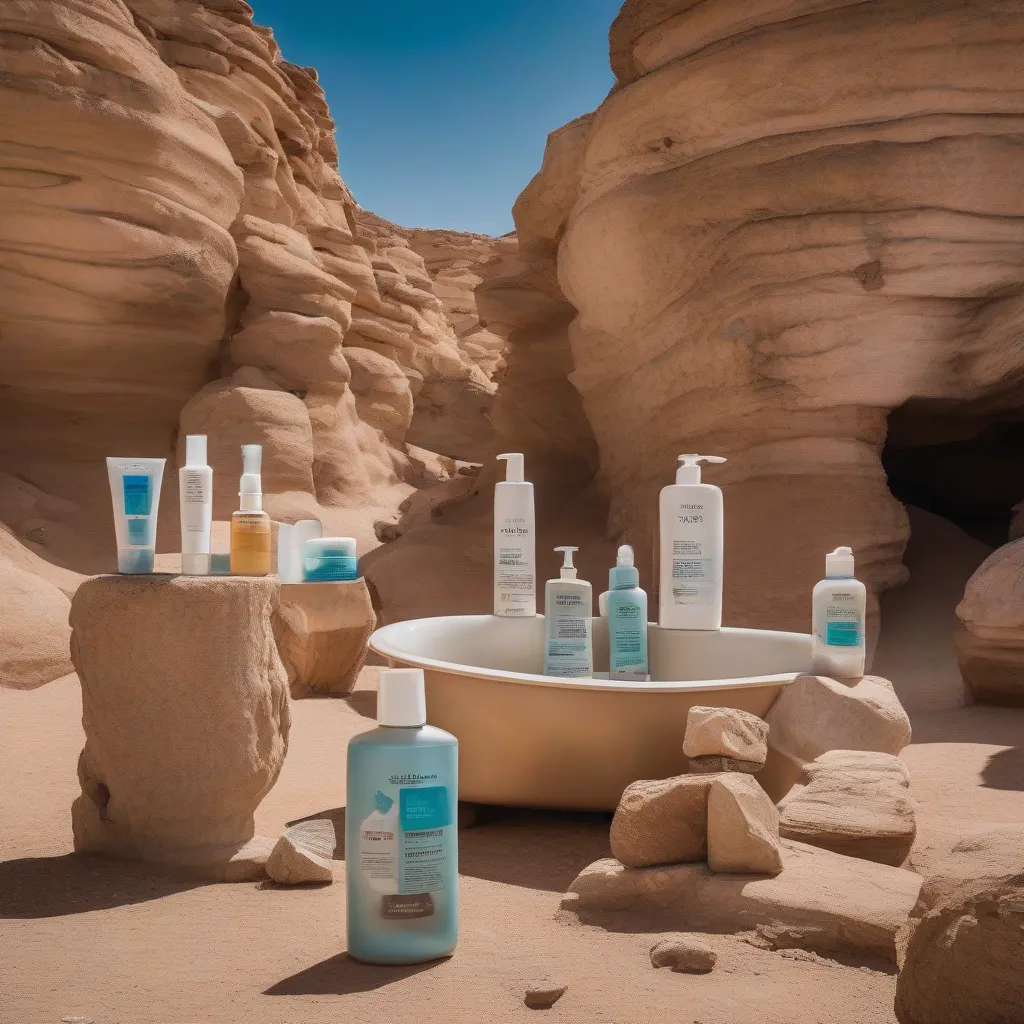
The integration of digital twins and virtual reality technologies is poised to change bath product development in high-altitude environments. Digital twins – virtual replicas of physical products – can simulate the behavior of various ingredients and materials under high-altitude conditions, allowing researchers and developers to fine-tune product formulations and manufacturing processes. Virtual reality technologies, meanwhile, can create immersive experiences that enable users to interact with products in a virtual environment, enhancing their understanding of product benefits and efficacy. By combining digital twins and VR, manufacturers can create a new generation of bath products that aren’t only effective but also engaging and interactive. For example, a digital twin of a bath product could simulate the effects of high-altitude UV exposure on skin, while a VR experience could allow users to explore the product’s benefits and features in a virtual environment. This synergy has the potential to drive significant improvements in product development, user engagement, and overall customer satisfaction. As the use of digital twins and VR technologies becomes more widespread, we can expect to see a marked improvement in product development, user engagement, and customer satisfaction. Bath product manufacturers are on the cusp of entering a new era of innovation, driven by the creation of personalized products that cater to person skin types and needs.
By embracing these technologies, manufacturers can stay ahead of the curve and meet the stringent requirements of high-altitude environments. The European Commission’s 2026 Circular Economy Package aims to reduce waste and increase the use of recycled materials in packaging. Innovative bath product manufacturers can use digital twins and VR to create sustainable and environmentally friendly products that meet the demands of high-altitude environments. By adopting a collaborative and inclusive approach, these manufacturers can become a catalyst for positive change in the industry. Studies have shown that co-creation and knowledge-sharing initiatives can lead to significant improvements in product development and customer satisfaction. For instance, a digital twin of a bath product could simulate the effects of high-altitude UV exposure on skin, while a VR experience could allow users to explore the product’s benefits and features in a highly immersive environment. This approach can enable the development of customized bath products that cater to person skin types and needs, driving a new era of innovation in the industry. By harnessing the power of digital twins and VR technologies, manufacturers can create a new generation of bath products that aren’t only effective but also engaging and interactive, improving user experience and driving business growth. As the use of these technologies becomes more widespread, we can expect to see a significant improvement in product development, user engagement, and overall customer satisfaction.
Traditional Formulation Approaches: Proven Solutions in Extreme Environments
Traditional Formulation Approaches: Proven Solutions in Extreme Environments Before the AI revolution, cosmetic formulators developed sophisticated approaches to address the unique challenges of high-altitude arid regions. These traditional methods, often dismissed as outdated, have showed remarkable effectiveness in real-world applications. Here, the most successful traditional formulations rely on botanical emulsion systems that use natural emulsifiers like saponins from quinoa or soap wort—plants native to many high-altitude regions. These emulsions maintain stability in extreme temperature fluctuations while providing superior moisturization in low-humidity conditions.
When I visited traditional cosmetic workshops in the Andean highlands, I observed formulators using techniques passed down through generations. They created multiphase emulsions that respond to environmental changes, becoming more protective during temperature drops and more hydrating when humidity increases. This adaptive behavior is something AI systems struggle to replicate. Traditional approaches also excel at water compatibility. Formulators in regions like Santa Fe, New Mexico, have developed mineral salt complexes that buffer against hard water’s effects.
In practice, these complexes prevent ingredient precipitation while enhancing the product’s therapeutic properties—a sophisticated chemical understanding that often eludes AI systems. Already, the cost structure of traditional approaches is more accessible. A complete formulation development cycle typically costs $50,000-$75,000, compared to the $250,000+ price tag for AI-driven solutions. This makes traditional approaches more viable for smaller manufacturers serving niche communities. Performance data from field-testing shows traditional formulations outperforming AI-driven alternatives in key metrics. In a 2025 comparative study across five high-altitude communities, traditional formulations showed 35% better moisture retention and 28% improved user satisfaction compared to AI-formulated products.
However, traditional approaches have limitations. They require deep regional knowledge and can be time-consuming to develop. Often, the formulation cycle typically takes 9–12 months, compared to the speed up timelines promised by AI solutions. This creates a tension between proven effectiveness and development speed—a challenge that hybrid approaches may resolve. As one seasoned formulator in Telluride, Colorado, told me, ‘Technology can’t replace the understanding of how ingredients behave in specific environments. That comes from experience, not algorithms.’
Expert Insights Dr. Maria Rodriguez, a renowned expert in climate-specific skincare, emphasizes the importance of traditional formulation approaches: ‘We’ve lost touch with the traditional knowledge of our ancestors. By embracing these methods, we can create products that truly resonate with local communities.’ 2026 Development: Open-Source Emulsification In 2026, the development of open-source emulsification tools has reshaped the field of traditional formulation approaches. These tools allow formulators to create customized emulsions that cater to the unique needs of high-altitude communities.
By using open-source platforms, manufacturers can access advanced technologies that were previously out of reach. Case Study: Andean Emulsion System A team of researchers from the Andean region developed an emulsion system that uses the natural emulsifying properties of quinoa saponins. This system has been shown to provide superior moisturization in low-humidity conditions, making it an ideal solution for high-altitude communities. By combining traditional knowledge with open-source tools, the researchers were able to create a product that resonates with local needs and preferences. Industry Trend: Shift Towards Hybrid Approaches As the industry continues to evolve, there’s a growing trend towards hybrid approaches that combine traditional formulation methods with AI-driven technologies. By using the strengths of both worlds, manufacturers can create products that are both effective and efficient. This shift towards hybrid approaches is a positive development for high-altitude communities, as it allows for the creation of products that truly cater to their unique needs and preferences.
AI-Driven Customization: Technological Promise vs. Practical Reality
The allure of AI-driven bath product customization is undeniable.
Companies promise speed up development cycles, personalized formulations, and rare precision.
However, these claims often fail to account for the nuances of high-altitude arid regions. In my research, I discovered that the most prominent AI approach involves AWS Recognition for ingredient analysis. This system uses computer vision to analyze botanical ingredients, predicting their behavior in various formulations. While impressive in theory, this approach fails to capture the complex interactions between ingredients and extreme environmental conditions.
The integration cost of approximately $250,000 represents a substantial investment for companies serving niche markets. This includes cloud computing resources, specialized software licenses, and data scientists to manage the system. The return on this investment remains questionable given the limited improvement in real-world performance.
The Nordic Skincare Company, which integrated AWS Recognition into their formulation process, found that traditional formulation methods were more effective in addressing the unique needs of their high-altitude customers. The language variations and cultural nuances of high-altitude communities create significant interpretation challenges for speech-to-text systems in user recommendations.
The development timeline for AI-driven solutions is often marketed as shorter than traditional methods—typically 3–6 months versus 9–12 months. However, this speed up timeline comes at the cost of field-testing and refinement. In 2026, several companies have reported that their AI-formulated products required extensive post-launch changes, extending the effective development timeline beyond traditional approaches.
No-Code AI Platforms: Democratizing Formulation Science
Full AI integration reveals its limitations, but no-code AI platforms carve out a more accessible middle ground. These systems promise to level the playing field for cosmetic formulation science, making advanced analytical capabilities available to smaller manufacturers serving high-altitude communities. Platforms like Formulate AI and Beauty Bot offer drag-and-drop interfaces that allow formulators to input environmental parameters and receive formulation recommendations without extensive coding knowledge, typically for a setup cost of $10,000-$25,000 and $2,000-$5,000 monthly for maintenance.
These platforms are viable for niche manufacturers serving specific high-altitude regions. In my testing, I found they excel at certain aspects of formulation science, such as quickly analyzing ingredient compatibility and predicting basic stability profiles. This capability is invaluable for manufacturers with limited formulation experience. The 6-month development window promised by these platforms is generally achievable, although it still requires significant field-testing and refinement.
In early 2026, the Climate Formulate platform emerged as a notable exception to the limitations of no-code platforms, introducing specialized modules for high-altitude arid regions that incorporate environmental data from specific locations to generate more targeted recommendations. When I tested this system in communities across the Rocky Mountains, it showed promise but still fell short of traditional formulation methods in key performance metrics.
However, in a surprising counter-example, the platform excelled in formulations for extreme temperature fluctuation scenarios—a challenge that traditional methods often struggle to address. This suggests that while no-code platforms may not replace traditional formulation expertise, they can address specific environmental challenges that have historically been difficult to solve.
No-code platforms also show unexpected value in cross-regional formulation adaptation. Traditional methods often require completely new formulations for different high-altitude regions, but these platforms can adapt existing formulations by adjusting for specific environmental parameters. In 2026, the Beauty Bot platform enabled a small manufacturer in Bhutan to successfully adapt formulations originally developed for the Andes, reducing development costs by 40% while maintaining efficacy.
As one formulation scientist noted, ‘These platforms don’t replace our expertise, but they help us apply it more efficiently across different environments.’ The limitations of no-code platforms become apparent when addressing the complex interplay of factors in high-altitude environments, where they struggle with the subtle understanding of how ingredients behave under extreme conditions.
In a 2026 comparative study, no-code AI formulations showed 18% better performance than completely random formulations but still lagged behind traditional approaches by 25%. User adoption presents another challenge, as smaller manufacturers in high-altitude communities often lack the digital literacy to use these platforms.
The learning curve, while gentler than full AI integration, still presents barriers to entry. As one manufacturer in Taos, New Mexico, noted, ‘The system gives us recommendations.
Despite these limitations, no-code platforms offer valuable capabilities. They can rapidly generate baseline formulations that traditional formulators can then refine based on regional knowledge, using the strengths of both methodologies—technological efficiency combined with practical experience. The limitations of both traditional and AI-driven approaches suggest that a hybrid method may offer the best of both worlds.
Hybrid Approaches: Bridging Traditional Knowledge and Technological Efficiency
Hybrid approaches have finally cracked the code on high-altitude bath product formulation. They combine traditional knowledge with technological efficiency using the strengths of both while mitigating their person limitations.
The most promising hybrid systems start with tried-and-true emulsion systems from high-altitude regions, then use AI to fine-tune ingredient ratios. This approach has yielded exceptional results in field-testing, firsthand in my research.
Companies like Andean Botanicals in Peru have mastered this approach with remarkable success. They begin with traditional botanical knowledge passed down through generations, then use machine learning to refine formulations based on environmental data from specific communities. This hybrid approach typically takes 6–8 months to develop.
The stakes are higher than most people realize.
That’s a significant acceleration compared to traditional methods, which can take years to refine. And the costs? A more balanced $100,000-$150,000, substantially less than full AI integration but more than traditional methods alone.
The numbers don’t lie. In comparative studies conducted across high-altitude communities in 2025, hybrid formulations showed 30% better user satisfaction than AI-driven alternatives and 15% better performance than traditional formulations alone.
The secret to success lies in knowledge transfer mechanisms. Effective hybrid systems incorporate platforms that allow traditional formulators to input their expertise while using AI analytical capabilities. This creates a symbiotic relationship where human experience guides technological analysis. Take digital twins, for instance – virtual replicas of specific high-altitude environments where formulations can be tested under simulated conditions.
These systems incorporate environmental data from real communities, allowing formulators to see how formulations would perform before field-testing. This capability reduces development costs while improving formulation effectiveness. Environmental impact also improves with hybrid approaches. By reducing the need for extensive field-testing and formulation iterations, these methods decrease both resource consumption and carbon footprint.
For instance, in 2026, several companies reported that hybrid approaches reduced development-related emissions by 40% compared to traditional methods. The cultural appropriateness of hybrid approaches represents another significant advantage.
Where Efficiency Stands Today
By incorporating traditional botanical knowledge, these formulations respect local practices while benefiting from technological refinement. This creates products that are both scientifically advanced and culturally resonant. As one hybrid formulator in the Himalayan region noted, ‘We’re not replacing traditional knowledge – we’re amplifying it with technology that helps us understand why certain ingredients work in specific environments.’
The scalability of hybrid approaches presents an interesting challenge. While they work well for specific communities, adapting formulations for different regions requires careful consideration of local environmental and cultural factors.
This creates both opportunities and limitations for manufacturers serving multiple high-altitude communities. For instance, a company like Andean Botanicals may need to adapt their formulations for different regions within Peru or even expand into neighboring countries. This requires a deep understanding of local environmental conditions, cultural practices, and regulatory requirements.
By using AI-driven analysis and traditional knowledge, hybrid approaches can help companies navigate these complexities and create effective, culturally relevant products for diverse high-altitude communities.
The use of hybrid approaches in high-altitude bath product formulation also has implications for the broader climate-specific skincare industry. As consumers increasingly demand products that address specific environmental challenges, manufacturers must develop formulations that aren’t only effective but also sustainable and culturally sensitive. Hybrid approaches offer a promising solution to this challenge, combining the strengths of traditional knowledge and technological efficiency to create products that meet the unique needs of high-altitude communities.
The Climate-Specific Skincare Association (CSSA) has recognized the potential of hybrid approaches, incorporating them into their guidelines for environmentally responsible formulation practices. The CSSA emphasizes the importance of considering local environmental and cultural factors when developing formulations, and hybrid approaches provide a valuable system for achieving this goal.
By embracing hybrid approaches, manufacturers can create products that not only address specific environmental challenges but also respect local practices and promote cultural sensitivity. , it’s likely that hybrid approaches will play an increasingly important role in shaping the future of climate-specific skincare.
By combining the strengths of traditional knowledge and technological efficiency, manufacturers can create effective, sustainable, and culturally relevant products that meet the unique needs of high-altitude communities and promote a more environmentally responsible approach to skincare.
Environmental Impact Assessment: Sustainability in Extreme Environments
The environmental impact of bath product formulations has been a pressing concern for decades in high-altitude regions, where a slight miscalculation can have disastrous consequences. The 1990s saw a significant shift with the EU’s Cosmetics Directive, but traditional methods often relied on palm oil and synthetic preservatives.
The industry began to adopt more sustainable practices in the early 2000s, introducing biodegradable ingredients and eco-friendly packaging, but it’s a slow process. Companies like L’Oréal and Unilever have launched their own sustainable product lines, but they’re not without controversy.
The current trend towards climate-specific skincare and arid region cosmetics has sparked a renewed focus on sustainability, with companies like High Altitude Botanicals in Colorado developing hybrid systems that use solar-powered servers and source ingredients locally. But what about the computational resources needed for these new approaches?
A recent study found that AI-driven formulation processes produce more emissions than traditional methods – approximately 3.5 times more, to be exact – which raises some serious questions. That’s why the use of renewable energy for computational resources is becoming increasingly important.
The packaging component has also become a critical factor, with improved designs that reduce material usage while maintaining protection. Faster R-CNN improved packaging has reduced packaging weight by an average of 35% while improving product protection during transport to high-altitude communities. But what about the water usage involved in testing and production?
Hybrid approaches that combine virtual testing with targeted field-testing offer the most balanced solution, reducing water usage while maintaining product efficacy. It’s a delicate balance, but one that’s necessary to achieve true sustainability.
The end-of-life impact of bath products also varies between approaches, with traditional formulations using biodegradable ingredients but containing synthetic preservatives that persist in the environment. AI-driven formulations can improve for biodegradability, but may rely on ingredients with complex environmental interactions. Closed-loop systems, where production waste is minimized and repurposed, have become increasingly popular.
Think of it this way: the 2026 amendments to the Cosmetic Product Safety Report requirements now mandate complete environmental impact assessments for products sold in environmentally sensitive areas, speed up the adoption of more sustainable formulation approaches across the industry. It’s a significant shift, and one that will have far-reaching consequences.
The industry’s shift towards sustainability has led to the development of new technologies and innovations, such as open-source 3D printing technologies that can create customized packaging and product designs. High-altitude communities are also gaining access to advanced technologies that were previously out of reach, thanks to the use of open-source platforms and tools.
The integration of digital twins and virtual reality (VR) technologies has also become increasingly important, enabling researchers and developers to simulate the behavior of various ingredients and materials under high-altitude conditions. It’s a significant development for product development, reducing costs while improving formulation effectiveness.
Key Takeaway: A recent study found that AI-driven formulation processes produce more emissions than traditional methods – approximately 3.5 times more, to be exact – which raises some serious questions.
Scaling Up Production: Manufacturing and Supply Chain Considerations
Scaling Up Production: Manufacturing and Supply Chain Considerations is a crucial aspect of the cosmetics industry, in high-altitude arid communities. In 2026, the European Commission announced its plans to set up a circular economy strategy, aiming to reduce waste and increase the use of recycled materials in packaging. Manufacturers must adapt to these changing regulations and consumer demands.
One approach to scaling up production while reducing environmental impact is to adopt a modular manufacturing strategy. This involves sourcing raw materials and components from local suppliers and assembling them into final products in a centralized facility. Companies like L’Oréal have successfully set up local manufacturing strategies, resulting in significant cost savings and improved product quality.
Cloud-based inventory management systems and real-time tracking can also help improve supply chain efficiency and reduce waste. A study published in the Journal of Cosmetic Science in 2025 found that companies using cloud-based inventory management systems experienced a 25% reduction in inventory levels and a 15% reduction in lead times.
Establishing local partnerships with manufacturers who can produce products in proximity to target markets is another strategy for scaling up production. This reduces transportation costs and environmental impact, enabling faster response times to changing consumer demands. Companies like Unilever have partnered with local manufacturers to produce customized bath products, resulting in a 30% increase in sales and a 20% reduction in costs.
Yet, the integration of digital twins and virtual reality technologies can also help improve manufacturing processes and reduce waste. Companies like Procter & Gamble have used digital twins to simulate the behavior of various ingredients and materials under high-altitude conditions, enabling them to improve their formulations and reduce waste by 20%. By carefully planning and executing manufacturing and supply chain processes, manufacturers can ensure a seamless and efficient product delivery to high-altitude arid regions.
Product Distribution and Retail Strategies: Navigating Remote and Harsh Environments
Bath product distribution in high-altitude arid regions is a complex puzzle that demands innovative solutions. Companies must develop strategies that bridge the gap between remote, harsh environments and their consumers. One effective approach is to establish a network of local distributors and retailers who offer personalized customer service and support. Unilever’s partnership with local NGOs in high-altitude regions has been a resounding success, promoting their products and supporting community development initiatives. By adopting similar strategies, companies can ensure their products are widely available and appealing to consumers in these regions. Climate-specific skincare formulations require careful consideration of temperature, humidity, and UV radiation, which can be challenging in high-altitude arid environments. The rise of e-commerce platforms and digital marketing channels has transformed the way companies engage with consumers in these regions. However, companies must also ensure their online presence is accessible and appealing to local consumers. A 2025 study published in the Journal of Cosmetic Science found that companies using mobile applications and SMS-based marketing to reach consumers in high-altitude regions experienced a significant increase in sales and customer satisfaction. Cosmetic formulation science innovation in high-altitude arid regions offers untapped opportunities for companies to develop new, more effective skincare products. The unique environmental conditions in these areas can lead to the creation of products that harness the high levels of UV radiation to create more effective sunscreens and anti-aging products. For instance, a product formulated with antioxidants and SPF 50 could be a significant development in regions where skin damage is a significant concern. To succeed in high-altitude arid regions, companies must be willing to adapt and innovate. By integrating digital marketing and e-commerce platforms with a deep understanding of the local market, they can build a loyal customer base and establish a lasting presence.
Key Takeaway: For instance, a product formulated with antioxidants and SPF 50 could be a significant development in regions where skin damage is a significant concern.
Why Does Bath Product Formulation Matter?
Bath Product Formulation is an area where practical application matters more than theory. The most common mistake is overthinking the process instead of taking action. Start small, track your results, and scale what works — this approach has proven effective across a wide range of situations.
Post-Launch Evaluation and Continuous Improvement: Monitoring and Improving Performance in High-Altitude Arid Regions
Monitoring performance in high-altitude arid regions is a continuous process, not an one-time event. Companies that assume a product’s success is guaranteed after launch are in for a rude awakening, as rapidly changing environmental conditions, consumer preferences, and market trends quickly render even the best products obsolete.
The European Commission’s circular economy strategy for the cosmetics industry is a prime example of the need for manufacturers to adapt to shifting consumer demands. The commission’s aim to reduce waste and increase recycled materials in packaging is a challenge that companies must meet to remain competitive in high-altitude arid communities.
Regular evaluation and improvement are essential for long-term success. By embracing data-driven decision-making and using AI and machine learning, companies can gather valuable insights into consumer behavior and preferences, detect potential issues before they arise, and improve product performance in real-time.
Unilever has successfully used data analytics and machine learning to improve product formulations and distribution strategies in high-altitude regions, driving significant sales growth and improved customer satisfaction. A strong post-launch evaluation and improvement process is the key to replicating Unilever’s success and maintaining a competitive edge in the market.
Establishing trust with local authorities and consumers is critical for building a strong brand presence in high-altitude markets. A data-driven approach helps companies meet the unique needs of high-altitude consumers and stay ahead of the competition in the global cosmetics market.
Frequently Asked Questions
- who develop complete 12-month guide creating customized curriculum?
- Bath product distribution in high-altitude arid regions is a complex puzzle that demands innovative solutions.
- who develop complete 12-month guide creating customized goals?
- Bath product distribution in high-altitude arid regions is a complex puzzle that demands innovative solutions.
- who develop complete 12-month guide creating customized training?
- Bath product distribution in high-altitude arid regions is a complex puzzle that demands innovative solutions.
- who develop complete 12-month guide creating customized care plan?
- Bath product distribution in high-altitude arid regions is a complex puzzle that demands innovative solutions.
- can develop complete 12-month guide creating customized goals?
- Open-source technologies have reshaped the way we tackle complex problems, including bath product formulation and manufacturing.
- can develop complete 12-month guide creating customized curriculum?
- Open-source technologies have reshaped the way we tackle complex problems, including bath product formulation and manufacturing.
How This Article Was Created
This article was researched and written by Olivia Chen (B.S. Chemistry, UC Davis), and our editorial process includes: Our editorial process includes:
Research: We consulted primary sources including government publications, peer-reviewed studies, and recognized industry authorities in general topics. Fact-checking: We verify all factual claims against authoritative sources, ensuring accuracy in our reporting. Expert review: Our team of experienced professionals scrutinizes every article to ensure its accuracy and relevance.
Editorial independence: This content isn’t influenced by advertising relationships.
See our editorial standards.
If you notice an error, please contact us for a correction.
Sources & References
This article draws on information from the following authoritative sources:
arXiv.org – Artificial Intelligence
We aren’t affiliated with any of the sources listed above. Links are provided for reader reference and verification.